
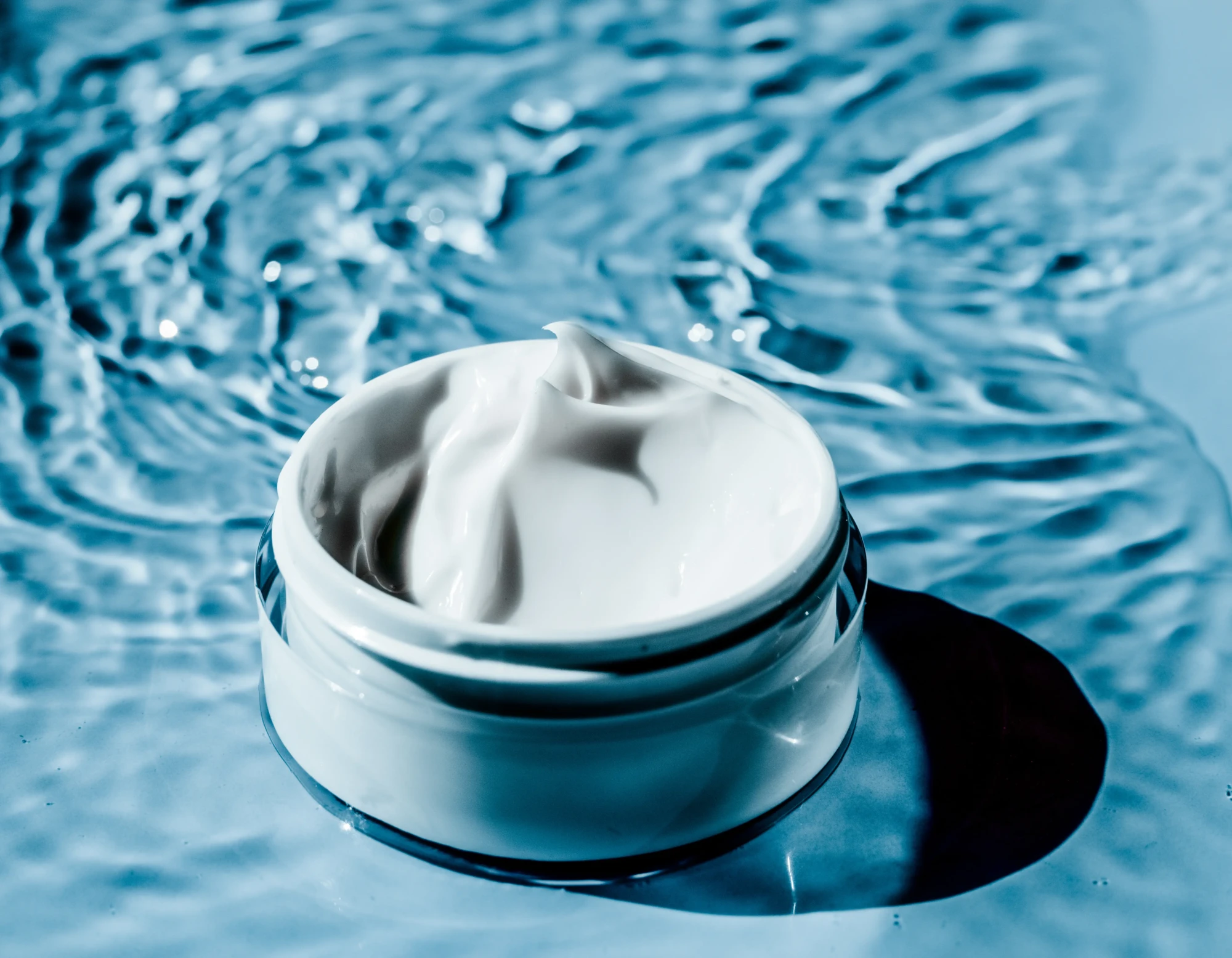
Is Beef Tallow Good for Skin? The Science Behind This Traditional Skincare Ingredient
In recent years, beef tallow has reappeared in the skincare world, sparking curiosity and debate. Once widely used in traditional skincare and soapmaking, this ingredient fell out of favor during the rise of modern cosmetic chemistry, only to return again as people rediscover the benefits of simple, nutrient-rich formulations.
But is beef tallow actually good for the skin?
Surprisingly, the answer lies in the chemistry of the skin itself. The fatty acid structure of tallow is remarkably compatible with the natural lipid composition of human skin, which may explain why it has been used in skincare for centuries.
What Is Beef Tallow?
Beef tallow is a purified fat rendered from beef suet. When carefully processed, it becomes a stable, nutrient-rich lipid that has traditionally been used for:
cooking candle making soap production skincare balms
In cosmetic formulations, tallow acts as an emollient, meaning it helps soften and protect the skin.
Why Tallow Is Biologically Compatible with Skin
One of the most interesting aspects of tallow is its fatty acid composition, which closely resembles the lipid structure found in the skin barrier.
Human skin contains a mixture of lipids that help maintain hydration and protection. These include:
saturated fatty acids monounsaturated fatty acids cholesterol-like lipids
Beef tallow naturally contains several of these same components, including:
Oleic acid Palmitic acid Stearic acid
Because of this similarity, tallow can integrate well with the skin’s natural lipid barrier.
The Skin Barrier and Lipid Support
The outermost layer of the skin, known as the stratum corneum, acts as a protective barrier that prevents moisture loss and protects the body from environmental stress.
This barrier relies heavily on lipids to maintain its structure.
When the skin barrier becomes weakened, symptoms may include:
dryness irritation sensitivity increased water loss
Ingredients rich in fatty acids can help support and reinforce this barrier, allowing the skin to maintain its natural hydration.
Nutrients Found in Tallow
In addition to fatty acids, high-quality tallow can contain fat-soluble nutrients such as:
Vitamin A Vitamin D Vitamin E Vitamin K
These nutrients are known to support skin regeneration and protection against oxidative stress.
While the concentration may vary depending on the source and processing method, traditionally rendered tallow can provide a nutrient-dense base for skincare formulations.
Why Tallow Has Been Used in Soapmaking for Centuries
Historically, tallow was one of the primary fats used in soapmaking long before modern cosmetic ingredients were available.
Soap made with tallow is valued for several properties:
it creates a hard, long-lasting bar it produces a stable, creamy lather it provides conditioning qualities for the skin
When combined with plant oils such as olive oil or castor oil, tallow contributes to a balanced soap that cleanses effectively without excessive stripping.
Addressing Common Concerns About Tallow
Despite its traditional use, some people hesitate to try tallow-based skincare due to misconceptions.
Concern: Will tallow clog pores?
Tallow is moderately occlusive and may not suit every skin type in pure balm form. However, when used in balanced formulations or soap, it generally performs well for most skin types.
Concern: Is tallow outdated compared to modern ingredients?
Modern cosmetic chemistry offers many valuable ingredients, but traditional fats like tallow remain relevant because they closely resemble the lipid composition of human skin.
Many skincare researchers now emphasize the importance of barrier-supportive lipids, something tallow naturally provides.
The Importance of Formulation
As with any skincare ingredient, the benefits of tallow depend on how it is formulated.
When used alongside complementary ingredients such as:
olive oil castor oil honey beeswax
tallow can contribute to skincare products that support the skin’s natural balance while providing gentle cleansing.
A Traditional Ingredient in Modern Formulations
Many modern artisan skincare makers are rediscovering traditional ingredients that work in harmony with the skin.
Handcrafted formulations from ZenChemyLab incorporate carefully balanced oils, including tallow, olive oil, castor oil, honey, and beeswax, to create gentle cleansing products inspired by traditional soapmaking methods.
These formulations focus on maintaining the skin’s natural lipid balance while cleansing effectively.
👉 Explore the ZenChemyLab Artisan Soap Collection to discover handcrafted soaps made with nourishing oils and traditional ingredients.
Final Thoughts
Beef tallow may seem like an unusual skincare ingredient in the modern cosmetic landscape, but its composition tells a compelling story.
Because its fatty acids closely resemble those found in human skin, tallow can help support the skin’s natural barrier and maintain hydration when used in well-balanced formulations.
Sometimes the most effective skincare ingredients are not the newest discoveries, but rather the ones that have quietly supported healthy skin for generations.
ZenChemyLab Beef Tallow products:
Artisan soap’s collection
Face cream

1 Comments
ce88
Alright guys, anyone tried ce88 yet? Thinking about jumping in, but wanted to get the real scoop before I drop any cash.