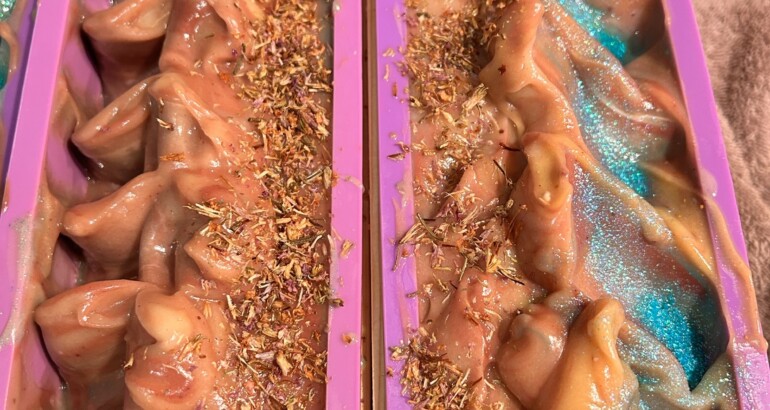
Birch tar soap has been used in Northern and Eastern Europe for centuries as a cleansing product for problematic skin. While often considered a traditional remedy, the effectiveness of birch tar is supported by its complex chemical composition and biological activity.
Birch tar contains a range of natural compounds with antimicrobial, keratolytic, and anti-inflammatory properties, which help explain its long-standing use in dermatological care.
What Is Birch Tar?
Birch tar is produced through the dry distillation of birch bark (Betula species). During this process, the bark is heated in the absence of oxygen, causing the organic material to decompose and release a dense, dark liquid known as tar.
Chemically, birch tar contains several biologically active components, including:
Phenolic compounds Guaiacol derivatives Cresols Betulin and betulinic compounds Organic acids and resins
These compounds contribute to the tar’s antimicrobial activity, anti-inflammatory effects, and distinctive smoky aroma.
Dermatological Properties of Birch Tar
Antimicrobial Activity
Phenolic compounds present in birch tar demonstrate antibacterial and antifungal properties. These compounds can help reduce the growth of microorganisms associated with certain skin conditions.
This makes birch tar soap potentially helpful for skin affected by:
acne-causing bacteria fungal scalp conditions microbial imbalance on the skin surface
By supporting a healthier microbial environment, birch tar may contribute to clearer skin.
Keratolytic Effect
Birch tar also has mild keratolytic properties, meaning it can help regulate the turnover of keratinocytes in the outer layer of the skin.
This effect can assist in:
softening thickened skin reducing scaling promoting smoother skin texture
For this reason, tar-based preparations have historically been used in the management of conditions such as psoriasis, seborrheic dermatitis, and eczema.
Anti-Inflammatory Properties
Certain compounds in birch tar may help reduce inflammatory responses in the skin. By calming irritation and reducing redness, birch tar soap can be beneficial for individuals experiencing itchy or inflamed skin conditions.
These effects are similar to those seen with other tar-based dermatological treatments, such as pine tar and coal tar preparations used in dermatology.
Sebum Regulation and Deep Cleansing
Birch tar soap also functions as an effective cleanser. Its active components can help remove excess sebum, environmental pollutants, and microbial buildup from the skin surface.
For individuals with oily or acne-prone skin, this may help reduce pore congestion and improve overall skin clarity.
Benefits for Scalp Health
Birch tar has long been used in scalp treatments due to its ability to support a balanced scalp environment.
Regular use may help:
reduce dandruff alleviate scalp itching control excess oil production support scalp microbiome balance
Because dandruff is often associated with Malassezia yeast, the antifungal activity of birch tar may contribute to improved scalp comfort.
Importance of Soap Formulation
The effectiveness of birch tar soap also depends on the soap base itself. Traditional cold-process soaps made with natural oils provide additional benefits.
Common soap ingredients such as:
olive oil castor oil tallow or other conditioning fats natural humectants like honey
help maintain the skin’s lipid barrier and hydration balance while cleansing.
This combination allows birch tar soap to provide deep cleansing without excessive stripping of the skin barrier.
A Balance of Tradition and Science
Birch tar soap represents an interesting intersection between traditional remedies and modern dermatological understanding.
Its bioactive compounds explain why it has been used for generations to support skin health, particularly in individuals experiencing oil imbalance, microbial overgrowth, or inflammatory skin conditions.
While it is not a medical treatment, birch tar soap remains a valuable option within natural skincare for maintaining healthy, balanced skin.
Check out ZenChemyLab’s Birch Tar soap :