
Honey has been used in skincare for thousands of years, from ancient Egyptian beauty rituals to modern dermatological formulations. While it is often associated with natural remedies, honey also has scientifically recognized properties that make it beneficial for the skin.
One of honey’s most important characteristics is its ability to act as a humectant. Humectants attract water molecules from the environment and help bind moisture to the skin. This means honey can support hydration and improve the softness and elasticity of the skin.
Honey also contains natural enzymes, amino acids, vitamins, and antioxidants. These compounds help protect the skin from environmental stressors and support the skin’s natural renewal processes.
Another interesting property of honey is its mild antibacterial activity. Due to its low pH, natural hydrogen peroxide production, and high sugar concentration, honey can help create an environment that is less favorable for certain bacteria. Because of these qualities, honey has historically been used in wound care and soothing skin treatments.
In skincare formulations, honey works especially well when combined with nourishing oils and natural fats. These ingredients help support the skin barrier, while honey contributes hydration and soothing properties.
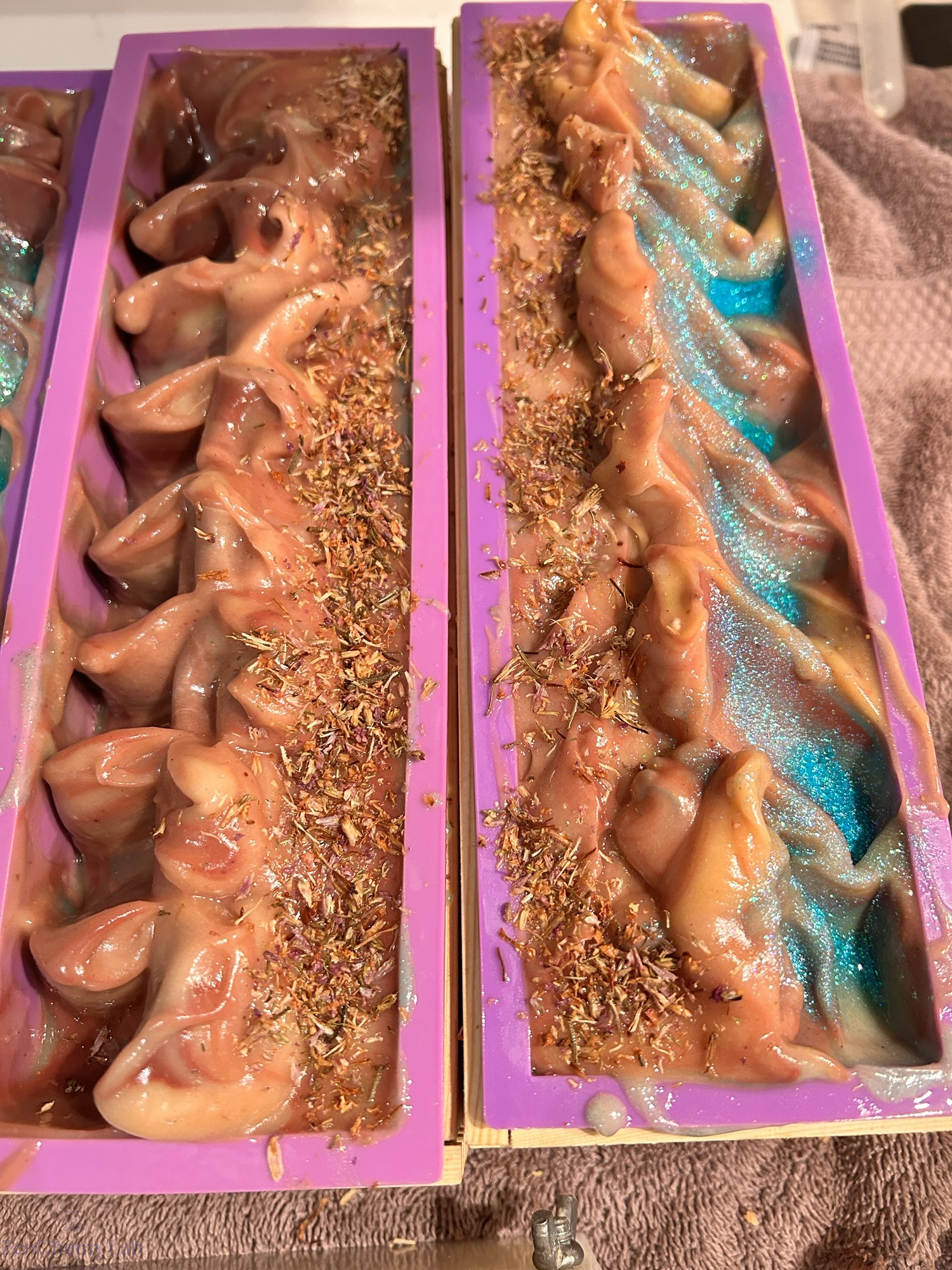
At ZenChemyLab, honey is one of the ingredients I regularly incorporate into my formulations. In fact, all of my body and face creams contain honey because of its ability to help support hydration and maintain a healthy skin barrier. Honey is also used in some of my handcrafted soaps, where it contributes to a rich, creamy lather and a gentle cleansing experience.
Natural ingredients like honey remind us that effective skincare often comes from understanding how traditional ingredients interact with the biology of the skin.
Check out my creams that contain honey:
https://zenchemylab.ca/?s=Honey&v=5435c69ed3bc
Check out my soaps that contain honey:
https://zenchemylab.ca/product-category/body-care/handmade-soaps/?v=5435c69ed3
Honey and Its Potential Benefits for Eczema and Psoriasis
Honey has also attracted attention in dermatological research for its potential supportive role in certain inflammatory skin conditions, including eczema and psoriasis.
Honey and Eczema
Eczema (atopic dermatitis) is often associated with dry skin, inflammation, and disruption of the skin barrier. Because honey acts as a natural humectant, it helps draw moisture into the skin and may support hydration in compromised skin.
Honey also contains anti-inflammatory and antimicrobial compounds, which may help soothe irritated skin and reduce the growth of certain bacteria that can worsen eczema symptoms.
Some studies have suggested that topical honey preparations may help improve skin comfort and support the healing of irritated areas, although it should be viewed as a supportive skincare ingredient rather than a medical treatment.
Honey and Psoriasis
Psoriasis is a chronic inflammatory condition characterized by rapid skin cell turnover and scaling plaques. While honey cannot treat psoriasis itself, its soothing and moisturizing properties may help support the skin.
The natural antioxidants and anti-inflammatory compounds found in honey may help calm irritated skin and improve moisture retention, which can reduce dryness and discomfort often associated with psoriasis.
Because psoriasis skin is typically very dry and sensitive, ingredients that support hydration and the skin barrier—such as honey combined with nourishing oils and emollients—may help improve overall skin comfort.
Check out honey cream for the body
Honey Soothing Cream

1 Comments