TL;DR:
- Truly natural soaps are made from certified organic oils and free from synthetic additives.
- Different soap types, like castile or goat’s milk, suit various skin types and conditions.
- Quality, transparency, and formulation integrity are key to effective and eco-conscious natural soap choices.
Walking into a soap aisle or browsing an online shop can feel overwhelming. Labels shout “natural,” “pure,” and “botanical,” yet many products still contain sulfates, synthetic fragrances, and undisclosed preservatives. Choosing a soap that genuinely supports your skin and aligns with eco-conscious values requires more than trusting front-of-label claims. This guide breaks down the key criteria for evaluating natural soaps, explores the most popular types and their unique benefits, and gives you a side-by-side comparison so you can confidently choose the right bar for your skin or your next thoughtful gift.
Table of Contents
- How to evaluate natural soaps: Key criteria for mindful selection
- Popular types of natural soaps and their unique benefits
- Side-by-side: Comparing functionality and performance
- Choosing the right natural soap for your needs and gifting
- Our perspective: What most buyers overlook about natural soaps
- Explore artisan soap options at ZenChemy Lab
- Frequently asked questions
Key Takeaways
| Point | Details |
|---|---|
| Know your criteria | Always check for truly natural ingredients and eco-friendly sourcing. |
| Choose for your skin | Select soap types with moisturising oils and no harsh additives for best results. |
| Compare before you buy | Use a comparison table to match functional benefits to personal needs or gifting. |
| Handmade offers more | Handmade natural soaps give better quality, purity, and sustainability. |
How to evaluate natural soaps: Key criteria for mindful selection
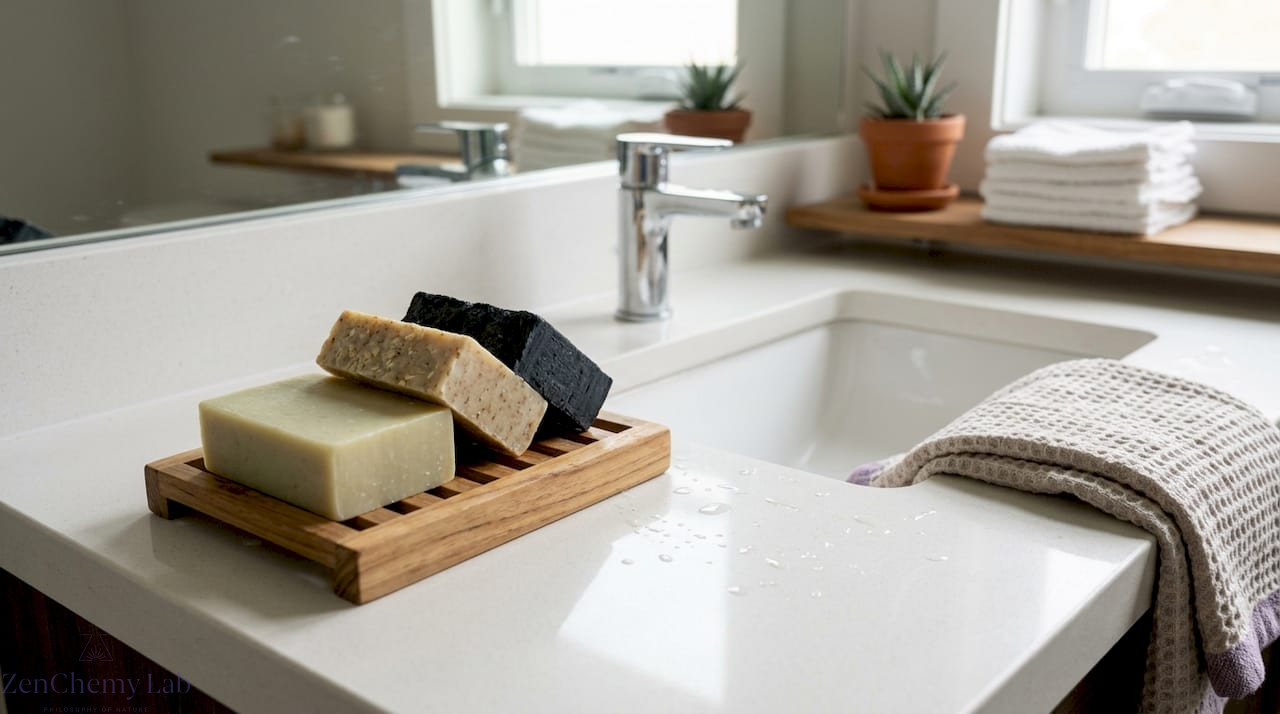
Before you pick up a bar, it helps to know what separates a truly natural soap from one that simply markets itself that way. A genuinely natural soap is built on certified organic oils, plant-based fats, or animal-derived ingredients like goat’s milk, and it goes through saponification (the chemical process of turning oils and lye into soap and glycerin). What it should not contain is a long list of synthetic additives.
Here are the core things to look for:
- ✅ Certified organic base oils (olive, coconut, shea, castor)
- ✅ Absence of SLS, parabens, and synthetic fragrances
- ✅ Eco-friendly or minimal packaging (recycled paper, no plastic wrap)
- ✅ Transparent ingredient lists using INCI (International Nomenclature of Cosmetic Ingredients) naming
- ✅ Cruelty-free and sustainably sourced (especially for palm oil, which carries deforestation risks)
Matching a soap to your skin type matters just as much as ingredient purity. Dry skin benefits from high-oleic oils like olive or shea. Oily skin responds well to lighter bases such as hemp seed or jojoba. Sensitive skin needs unscented, single-oil formulas with minimal additives. Combination skin can handle a balanced blend, but benefits from humectants for hydration like vegetable glycerin to keep moisture levels stable.
Sustainability is another layer to consider. Look for brands that disclose their palm oil sourcing (RSPO-certified is a good benchmark) and practise small-batch, low-waste production. Understanding the difference between handmade vs commercial soaps can also clarify why artisan bars often outperform mass-produced options in both ingredient quality and skin feel.
Pro Tip: Don’t rely solely on the front label. Flip the bar over and read the full ingredient list. If you see “fragrance” or “parfum” without further disclosure, that single word can represent dozens of undisclosed synthetic chemicals.
Popular types of natural soaps and their unique benefits
With a clear set of criteria in hand, let’s look at the most popular natural soap varieties and what makes each one special.
-
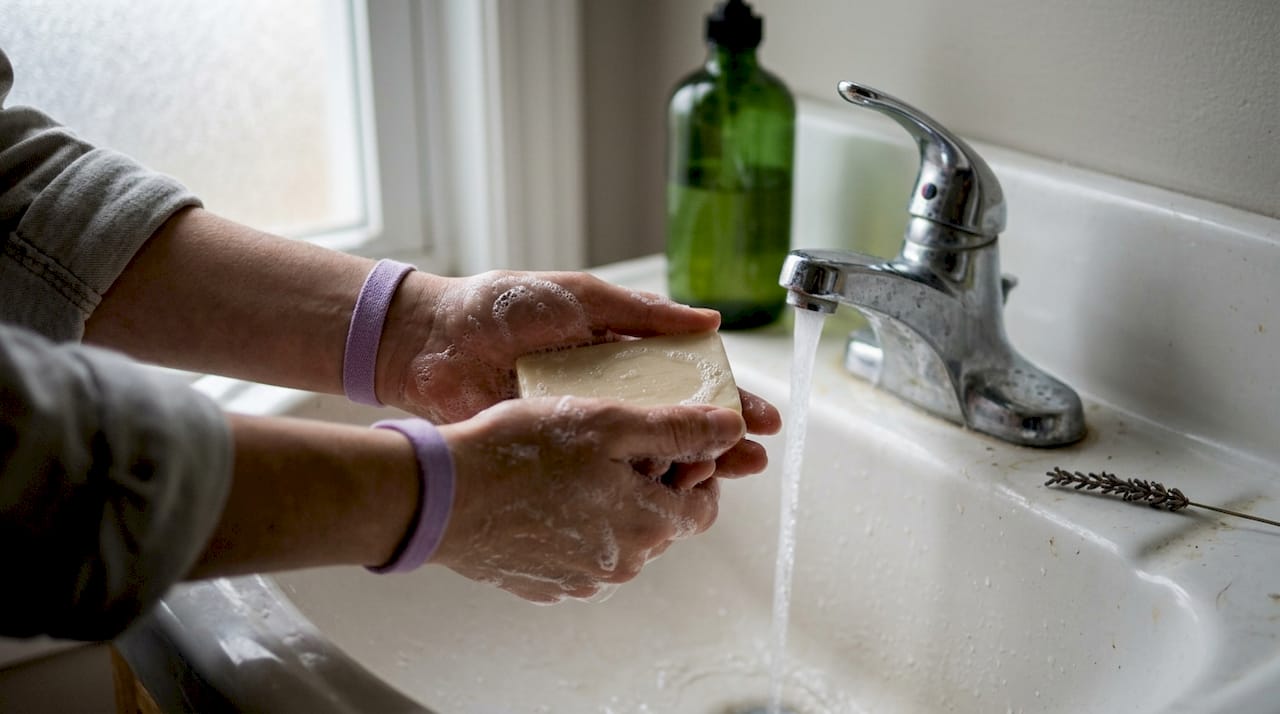
Castile soap — Made almost entirely from olive oil, castile soap is one of the oldest soap formulas in existence. It is exceptionally gentle, produces a creamy lather, and is ideal for sensitive or mature skin. Consumer tests show that natural soaps like Dr. Bronner’s Pure-Castile, made with organic oils, perform well in moisturising, low drying, and durability under water exposure.
-
Goat’s milk soap — Rich in lactic acid and fat-soluble vitamins, goat’s milk soap gently exfoliates while nourishing the skin barrier. It is a favourite for eczema-prone and dry skin types.
-
Shea butter soap — Loaded with fatty acids and vitamins A and E, shea butter soap seals in moisture and supports skin elasticity. It is particularly effective in cold, dry climates.
-
Pine and birch tar soaps — These traditional remedies have earned their place in modern skincare. Pine tar and birch tar contain natural phenols that calm inflammation, reduce scaling, and support conditions like psoriasis and dermatitis. Explore the detailed birch tar soap benefits or discover our pine tar tallow soap formulated for acne, eczema, and dry skin.
-
Herbal and glycerin soaps — These bars often feature botanical infusions (calendula, chamomile, lavender) and are transparent in appearance. Glycerin is a natural humectant that draws moisture to the skin surface.
-
Artisan blended soaps — Small-batch artisan handmade soaps combine multiple oils, botanicals, and clays to target specific skin concerns with precision.
“The base of a soap determines up to 80% of its skin feel and performance. Choosing the right saponified oil blend is not cosmetic preference — it is skin science.” — Skincare formulation specialist
Pro Tip: If you have ultra-sensitive skin or are prone to contact dermatitis, start with an unscented, single-oil soap like pure castile or plain goat’s milk before introducing botanical blends.
Side-by-side: Comparing functionality and performance
Knowing the characteristics of each soap type, a direct comparison highlights how they serve different priorities.
| Soap type | Moisturising | Best for sensitive skin | Scented/Unscented | Lather | Eco-friendly score |
|---|---|---|---|---|---|
| Castile (olive oil) | ⭐⭐⭐⭐ | ✅ Yes | Both available | Creamy, low | ⭐⭐⭐⭐⭐ |
| Goat’s milk | ⭐⭐⭐⭐⭐ | ✅ Yes | Both available | Rich, moderate | ⭐⭐⭐⭐ |
| Shea butter | ⭐⭐⭐⭐⭐ | ✅ Yes | Both available | Creamy, moderate | ⭐⭐⭐⭐ |
| Pine/birch tar | ⭐⭐⭐ | ⚠️ Patch test | Naturally scented | Moderate | ⭐⭐⭐⭐ |
| Glycerin/herbal | ⭐⭐⭐⭐ | ✅ Yes | Both available | Light, bubbly | ⭐⭐⭐⭐ |
| Artisan blends | ⭐⭐⭐⭐ | ✅ Varies | Both available | Varies | ⭐⭐⭐⭐⭐ |
Maintaining the right soap pH for skin is critical. True cold-process soaps typically register between pH 8 and 10, which is slightly alkaline but still compatible with healthy skin when quality oils are used. Synthetic bars often sit at a similar pH but lack the natural glycerin that handmade soaps retain.
One standout finding: soap consumer test results consistently rank organic castile-based bars highly for both moisturising performance and low skin drying. This reinforces why the oil base is the most important factor in any natural soap formula.
Understanding skin hydration importance also helps explain why soaps that retain natural glycerin (a byproduct of saponification that commercial manufacturers often extract and sell separately) feel so much more comfortable after washing.
Choosing the right natural soap for your needs and gifting
Armed with a side-by-side comparison, choosing the right soap becomes much simpler and rewarding. The key is matching the soap’s strengths to your specific skin concern or the recipient’s needs.
Here is a quick guide to help you match:
- 🧴 Dry skin → Shea butter or goat’s milk soap for deep nourishment and barrier support
- 🌿 Sensitive or reactive skin → Unscented castile or plain goat’s milk, free from botanicals and added fragrance
- 🌍 Eco-focused buyers → Castile or artisan blends using RSPO-certified oils and minimal packaging
- 🩺 Skin conditions (eczema, psoriasis) → Pine tar or birch tar soaps, known for their anti-inflammatory phenols
- 🎁 Gifting → Artisan blended soaps with appealing scents, beautiful presentation, and clear ingredient transparency
For personal use, think about your daily routine. A bar you use in the shower every morning needs to last well and rinse cleanly. A facial soap needs to be gentler and ideally unscented. For organic body care tips that go beyond soap, pairing your bar with a natural body oil or lotion amplifies the moisturising effect.
When gifting, the experience matters as much as the product. A beautifully wrapped artisan bar from a transparent, small-batch maker communicates genuine care. Explore natural handmade skincare options that are formulated and produced in Canada for a locally conscious gift.
Pro Tip: For meaningful gifts, pair artisanal soaps with eco-friendly kraft paper wrapping and a handwritten note explaining the key ingredients and their skin benefits. It turns a simple bar of soap into a personalised wellness experience.
Our perspective: What most buyers overlook about natural soaps
Here is something we see often: a customer switches to a “natural” soap, notices no improvement, and concludes that natural products simply do not work. The real issue is almost always formulation integrity, not the concept of natural soap itself.
Many products labelled natural still contain sodium lauryl sulfate, synthetic preservatives, or palm oil from undisclosed sources. The word “natural” carries no regulated definition in Canada, which means any brand can use it freely. This is where reading the full ingredient list and understanding the science of natural vs synthetic skincare becomes genuinely protective.
What actually makes a difference is small-batch craftsmanship, traceable ingredients, and a formulator who understands skin biology. A bar made with cold-processed organic oils and retained glycerin will outperform a mass-produced “natural” bar every time. Transparency is not a marketing advantage. It is the baseline standard that every natural soap should meet.
Explore artisan soap options at ZenChemy Lab
If you are ready to experience soaps that genuinely deliver on their natural promise, ZenChemy Lab’s artisan soap collection is a strong place to start. Each bar is small-batch crafted in Canada using traceable, high-quality ingredients with full transparency on every label.
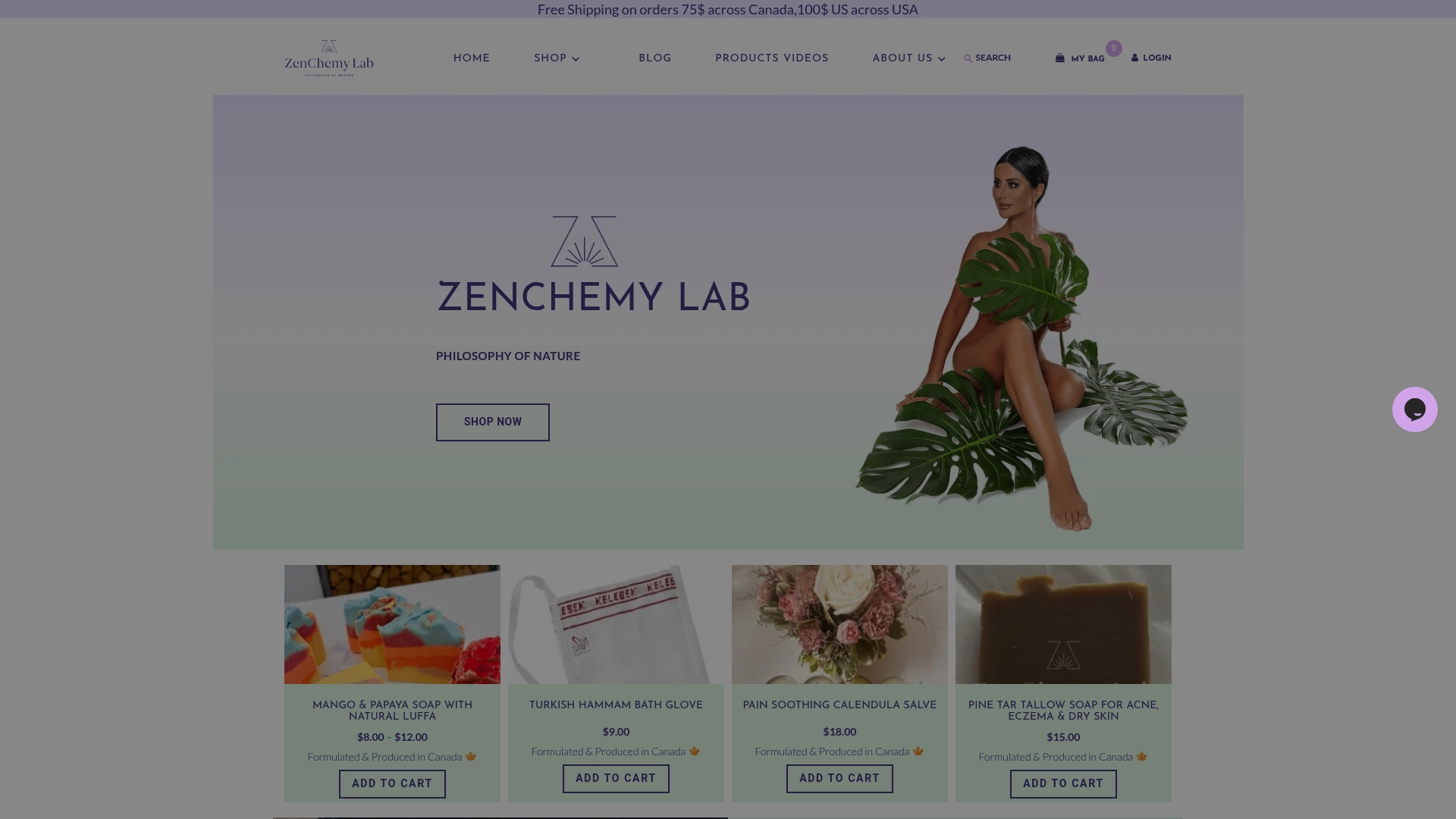
Whether you are looking for a daily bar for sensitive skin, a specialty tar soap for a skin condition, or a curated gift for someone you care about, the range covers it all. Understanding the difference between handmade vs commercial soaps makes it clear why formulation integrity matters. Pair your soap with organic body care options to build a complete, conscious skincare ritual that feels as good as it performs.
Frequently asked questions
What ingredients should I avoid in ‘natural’ soaps?
Avoid artificial fragrances labelled simply as “parfum,” sodium lauryl sulfate (SLS), parabens, and undisclosed preservatives, as these can irritate skin and reduce the product’s overall eco-friendliness. Soaps like Dr. Bronner’s Pure-Castile demonstrate that effective cleansing is fully achievable without these additives.
Is handmade soap better than commercially produced soap?
Handmade soap typically uses higher quality oils and retains natural glycerin from the saponification process, resulting in gentler cleansing and better skin nourishment than most commercial bars. The consumer test results for organic castile bars support this consistently.
How do I choose a natural soap for dry or sensitive skin?
Look for soaps featuring goat’s milk, shea butter, or pure olive oil as the primary base, and choose an unscented formula to minimise the risk of irritation. These ingredients deliver fatty acids and lipids that support the skin’s natural barrier without stripping moisture.
Are natural soaps suitable for children or people with allergies?
Yes, unscented or hypoallergenic natural soaps made with simple, traceable ingredients are generally well-tolerated by children and allergy-prone individuals. Always review the full ingredient list and perform a patch test before regular use.
Recommended
- Pine Tar Tallow Soap for Acne, Eczema & Dry Skin – ZenChemy Lab
- Sun-kissed Glow Bronzer. – ZenChemy Lab
- Renew & Regenerate Hair Conditioner-Mask. – ZenChemy Lab
- Natural Bug Repellent. 8 oz – ZenChemy Lab
- Natural moisturizers: ultimate guide to youthful skin over 40
- 7 Types of Skin Rejuvenation for Lasting Radiance