TL;DR:
- Self-care rituals are intentional acts that nourish mental, physical, and emotional well-being through presence and purpose. Practicing them four times weekly with a simple, 10-minute structure builds lasting habits and emotional significance. Small, sensory-focused activities like breathwork, journaling, or skincare create sustainable routines that enhance overall well-being.
A self-care ritual is a mindful, intentional act you choose to nourish your mind, body, and soul. Unlike a routine, it is defined by presence and purpose rather than obligation. The best self-care rituals list is not a checklist of tasks. It is a curated set of small, repeatable practices backed by behavioural science, designed to build lasting well-being. Experts like Dr. Tara Cousineau and resources from HerEmpire Canada confirm that consistency and intention matter far more than duration. You do not need an hour. You need a practice you will actually return to.
What is the self-care ritual, and why does intention matter?
A self-care ritual is defined by one thing that separates it from a routine: intention. Michelle Wagman’s distinction, echoed across mindful wellness guides, is clear. A routine is a task you complete; a ritual is a moment you choose to be present for. That shift in mindset changes everything about how the practice feels and what it delivers.
“Routine occurs out of obligation. Ritual occurs through intention, creating a space that anchors peace amid daily chaos.” — Mindful Self-Care Rituals
When you approach washing your face, brewing tea, or stretching as a ritual, you are not just performing a task. You are signalling to your nervous system that this moment belongs to you. That signal builds emotional significance over time. The more emotionally significant a practice feels, the more likely you are to repeat it.
Pro Tip: Pick one small act you already do daily, like making your morning coffee, and add a single breath of intention before you begin. That pause is the seed of a ritual.
Personalising your ritual matters too. A practice that reflects your values, your senses, and your schedule will outlast any generic self-care programme. Consistency in time and environment reinforces the habit. Your brain begins to associate that space and moment with calm, making the ritual easier to enter each time.
Step by step self-care ritual: a practical 10-minute structure
A 10-minute phased ritual is one of the most effective structures for building a sustainable daily self-care practice. It is short enough to fit any schedule and long enough to create a genuine shift in your mental state. The three phases work together to move you from distraction to presence.
- Minutes 1–3: Breathing and silence. Sit quietly and take slow, deliberate breaths. This phase lowers cortisol and signals the start of your protected time. No phone, no planning, just breath.
- Minutes 4–7: Journalling or gratitude. Write three things you are grateful for, or free-write whatever is on your mind. This phase processes emotion and anchors your attention in the present moment.
- Minutes 8–10: Sensory relaxation. Apply a botanical body oil, sip herbal tea, or do a gentle face massage. Sensory input grounds the body and closes the ritual with physical nourishment.
Each phase can be adapted. If journalling feels forced, swap it for a short meditation or a few minutes of slow stretching. If skincare is your preferred sensory close, use it. The structure is the scaffold. The activities are yours to choose.
Dr. Tara Cousineau’s research on habit formation recommends practising your ritual roughly four times a week within a consistent 15–30 minute window. That frequency is enough to begin building the neural pathways that make the practice feel automatic. Daily is ideal, but four times a week is where lasting change begins.
Pro Tip: Focus on how the ritual makes you feel, not on completing it perfectly. Emotional feedback is the real measure of success.
Top 10 self-care rituals list: options for mind, body, and soul
Diverse self-care practices nurture different dimensions of well-being, including physical, emotional, creative, and spiritual health. No single ritual works for everyone. The goal is to find the practices that resonate with you and rotate them as your needs change.
- ️ Breathwork. Five minutes of box breathing (inhale 4 counts, hold 4, exhale 4, hold 4) resets the nervous system quickly. It requires no equipment and works anywhere.
- Gratitude journalling. Writing three specific things you appreciated about your day rewires the brain toward positive pattern recognition over time.
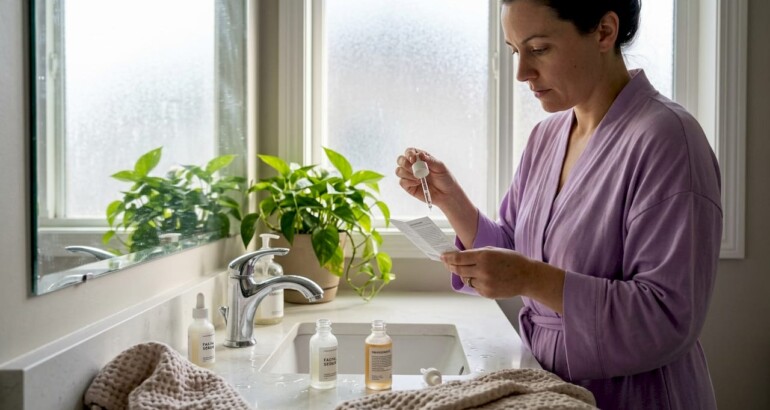
- Intentional skincare. Applying a natural face oil or botanical cleanser slowly, with attention to texture and scent, turns a daily task into a sensory ritual. Zenchemylab’s artisanal soaps and botanical body care products are built for exactly this kind of mindful application.
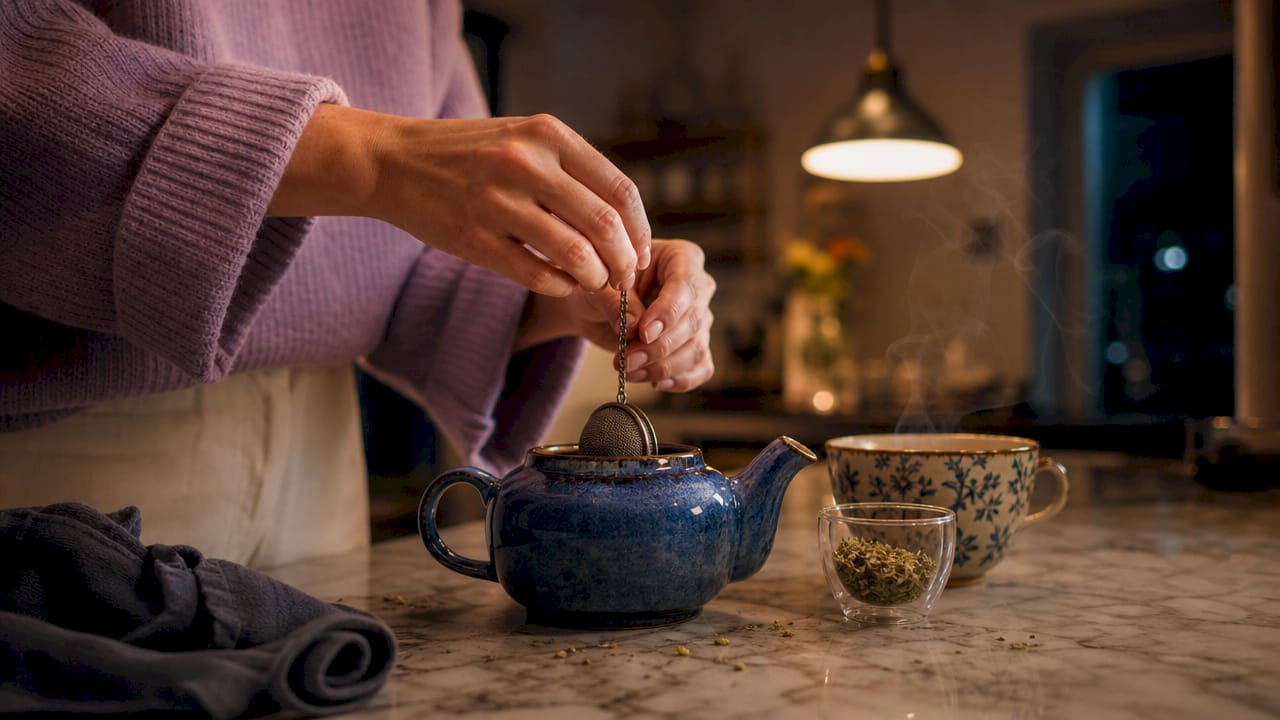
- Herbal tea ritual. Brewing and drinking tea without a screen present is a simple, grounding micro-ritual. The warmth, scent, and slowness signal safety to the body.
- Nature walk. A 10–20 minute walk outside, without headphones, engages all five senses and lowers mental fatigue. Research consistently links time in nature with reduced anxiety.
- Gentle stretching or yoga. Five to ten minutes of slow movement in the morning releases physical tension accumulated during sleep and sets a calm tone for the day.
- ✍️ Free-writing. Unlike structured journalling, free-writing lets you empty your mind without judgment. Three minutes of unfiltered writing clears mental clutter effectively.
- Digital pause. A 20–30 minute window with no screens, notifications, or inputs gives the brain genuine rest. Pair it with a warm bath or quiet reading for deeper effect.
- Ritual bathing. A bath with Epsom salts, a few drops of essential oil, and candlelight is one of the oldest self-care practices across cultures. It combines sensory input, warmth, and solitude.
- Scalp or face massage. Two minutes of gentle massage with a nourishing oil improves circulation, reduces tension, and connects you to your body. A luxury salon experience often begins with exactly this kind of sensory grounding.
The key is variety and emotional feedback. If a practice leaves you feeling worse, it is not the right fit right now. Your self-care rituals checklist should feel like a menu, not a mandate.
Comparing self-care rituals: time, effort, and benefits
Not every ritual fits every lifestyle. The table below compares common daily self-care practices by time commitment, setting, and primary benefit to help you choose what fits your life right now.
| Ritual | Time needed | Best setting | Primary benefit |
|---|---|---|---|
| Breathwork | 3–5 minutes | Anywhere | Nervous system reset |
| Gratitude journalling | 5–10 minutes | Quiet, seated | Emotional clarity |
| Intentional skincare | 5–10 minutes | Bathroom | Sensory grounding |
| Herbal tea ritual | 10–15 minutes | Kitchen or quiet room | Calm and presence |
| Nature walk | 10–20 minutes | Outdoors | Mental fatigue reduction |
| Ritual bathing | 20–30 minutes | Bathroom | Deep physical relaxation |
| Digital pause | 20–30 minutes | Any screen-free space | Cognitive rest |
Micro-rituals of 5–10 minutes are more sustainable long term than hour-long routines. Smaller time investments, combined with a willingness to return after lapses, maintain adherence far better than ambitious schedules that collapse under pressure. If your life is demanding right now, start with breathwork or a tea ritual. Build from there.
The environment matters as much as the activity. Behavioural science confirms that behaviour becomes associated with place and time through repetition. A clutter-free corner, a specific candle, or a particular playlist can become powerful triggers that make entering your ritual effortless.
How to start self-care rituals: practical steps to begin and sustain your practice
Starting a self-care practice is simpler than most people expect. The barrier is rarely time. It is usually the absence of a clear trigger and a protected space.
- ✅ Choose one ritual, not five. Starting with a single practice prevents overwhelm and builds confidence. Add more only after the first feels natural.
- ✅ Set a fixed time. Morning, lunch, or before bed all work. What matters is that the time is consistent. A fixed time and environment lowers cognitive effort and anchors the habit.
- ✅ Prepare your space. Remove clutter, set out your tools (journal, tea, skincare), and eliminate distractions before you begin. A prepared space signals that this time is protected.
- ✅ Focus on feeling, not performance. If you feel stressed at the end of your ritual because you did not do it “right,” that is a sign to simplify. The goal is nourishment, not achievement.
- ✅ Allow the ritual to evolve. What works in january may not work in july. Effective long-term practice values returning after irregularity over rigid daily perfection.
Pro Tip: Attach your new ritual to an existing habit, like right after brushing your teeth or before your first coffee. This “habit stacking” reduces the mental effort of remembering to start.
Natural skincare products from Zenchemylab, like their artisanal handmade soaps, make excellent ritual anchors. The texture, scent, and lather of a botanical soap engage the senses in a way that mass-produced products simply do not. That sensory richness deepens the ritual and makes it worth returning to.
Key takeaways
A self-care ritual is defined by intention, not duration. The most sustainable practices are small, consistent, and emotionally meaningful.
| Point | Details |
|---|---|
| Ritual vs. routine | Intention transforms a task into a meaningful act of self-nourishment. |
| 10-minute structure | Three phases (breathing, journalling, sensory) build a complete and manageable ritual. |
| Frequency over duration | Practising four times a week builds stronger habits than sporadic hour-long sessions. |
| Environment as anchor | A consistent space and time lower cognitive effort and reinforce the habit automatically. |
| Emotional feedback matters | If a ritual causes stress, simplify it rather than forcing compliance. |
What I have learned about rituals that most guides get wrong
Most self-care content treats rituals as a productivity upgrade. Do this in the morning, feel better, perform better. That framing misses the point entirely.
The rituals that have stayed with me are not the ones I optimised. They are the ones I stopped judging. There is a real difference between showing up for a practice because you believe it will fix something and showing up because you have decided this moment belongs to you. The second version is quieter and far more durable.
The hardest part of building a self-care practice is not finding the time. It is giving yourself permission to spend time on something that does not produce a visible result. A journal entry does not close a deal. A slow bath does not clear your inbox. That is exactly why it works. The practice teaches you that your well-being is not contingent on output.
I have also found that the rituals most worth keeping are the ones that use your senses deliberately. Scent, warmth, texture, and taste all communicate safety to the nervous system in ways that thinking simply cannot. A botanical soap, a warm cup of tea, or a few drops of a plant-based oil on your skin are not luxuries. They are signals. They tell your body that the moment is safe, slow, and yours.
The advice I would give anyone starting out: pick the smallest possible version of a ritual and do it for two weeks before adding anything. Complexity is the enemy of consistency. Start with one breath, one sentence, one cup of tea. Let it grow from there.
— Alex
Natural self-care rituals, elevated by Zenchemylab
Zenchemylab was built on the belief that what you put on your skin should be as intentional as the rituals you build around it. Their artisanal soaps, botanical cosmetics, and body care products are crafted from raw natural ingredients to support exactly the kind of sensory, mindful self-care described throughout this article.

Whether you are building a morning skincare ritual or a restorative evening practice, Zenchemylab’s natural beauty tips and natural skincare guidance give you the science and the products to do it well. Their body care collection is a natural starting point for anyone who wants their self-care practice to feel as good as it is good for them.
FAQ
What is a self-care ritual?
A self-care ritual is an intentional, mindful practice chosen to nourish your mental, physical, or emotional well-being. It differs from a routine in that it requires your presence and attention, not just your time.
How long should a self-care ritual be?
A 10-minute phased ritual covering breathing, journalling, and sensory relaxation is effective and sustainable. Micro-rituals of 5–10 minutes outperform longer routines that are difficult to maintain.
How often should I practise self-care rituals?
Dr. Tara Cousineau recommends practising roughly four times a week within a consistent time window to build lasting neural pathways. Daily practice is ideal, but four sessions a week is enough to create real habit formation.
What are the easiest self-care rituals to start with?
Breathwork, gratitude journalling, and an intentional skincare routine are the most accessible starting points. Each takes under 10 minutes and requires no special equipment or training.
How do I know if my self-care ritual is working?
The clearest signal is how you feel at the end of the practice. If you feel calmer, more grounded, or more present, the ritual is working. If you feel stressed or pressured, simplify the activity rather than abandoning the practice altogether.