TL;DR:
- Artisanal soap is handcrafted in small batches using traditional saponification, retaining glycerin.
- It offers better skin moisture, gentleness, and ingredient transparency compared to commercial bars.
- Proper curing (4-6 weeks) ensures safety and quality, making it suitable for sensitive skin.
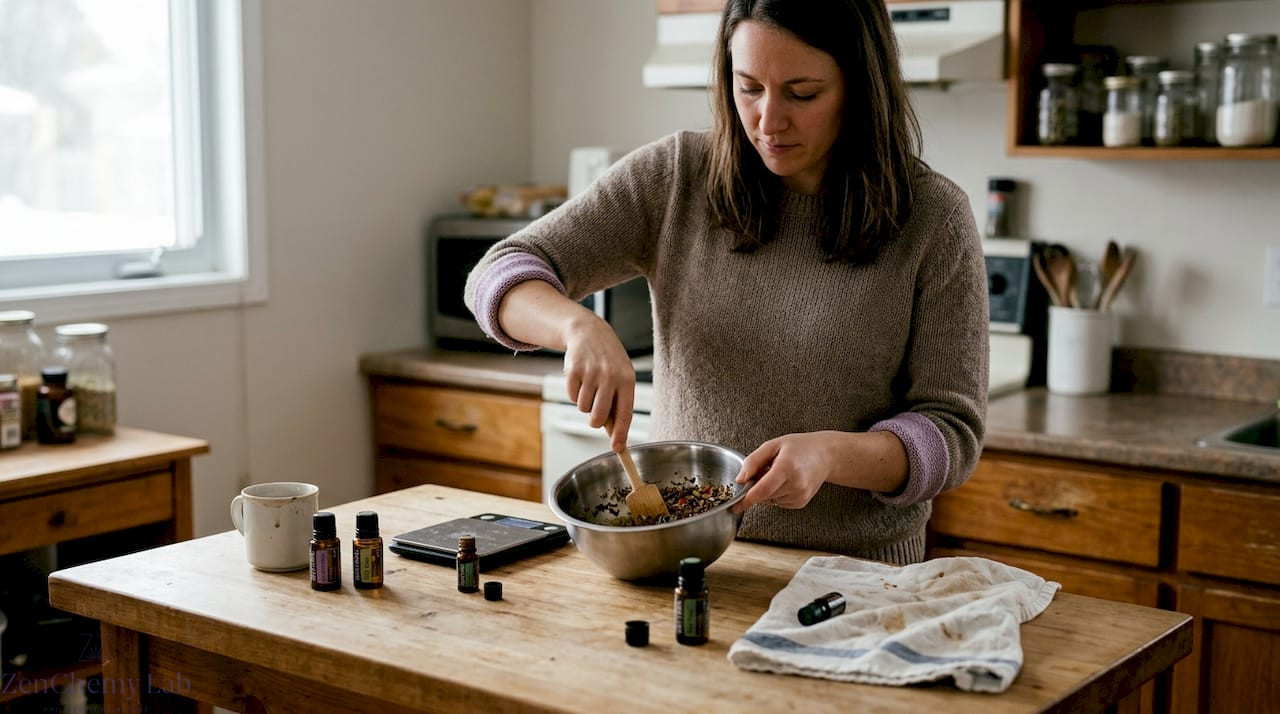
Not all bar soaps are created equal. Walk into any pharmacy and you’ll find shelves packed with options, but most of them are technically detergent bars made with synthetic surfactants and preservatives. True artisanal soap is something else entirely. It’s handcrafted in small batches, made through a centuries-old chemical process called saponification, and formulated with natural oils, butters, and botanicals. This guide breaks down exactly what artisanal soap is, how it differs from commercial bars, what the science says about its skin benefits, and how to choose the right bar for your specific needs.
Table of Contents
- What makes a soap ‘artisanal’?
- How artisanal soap is made
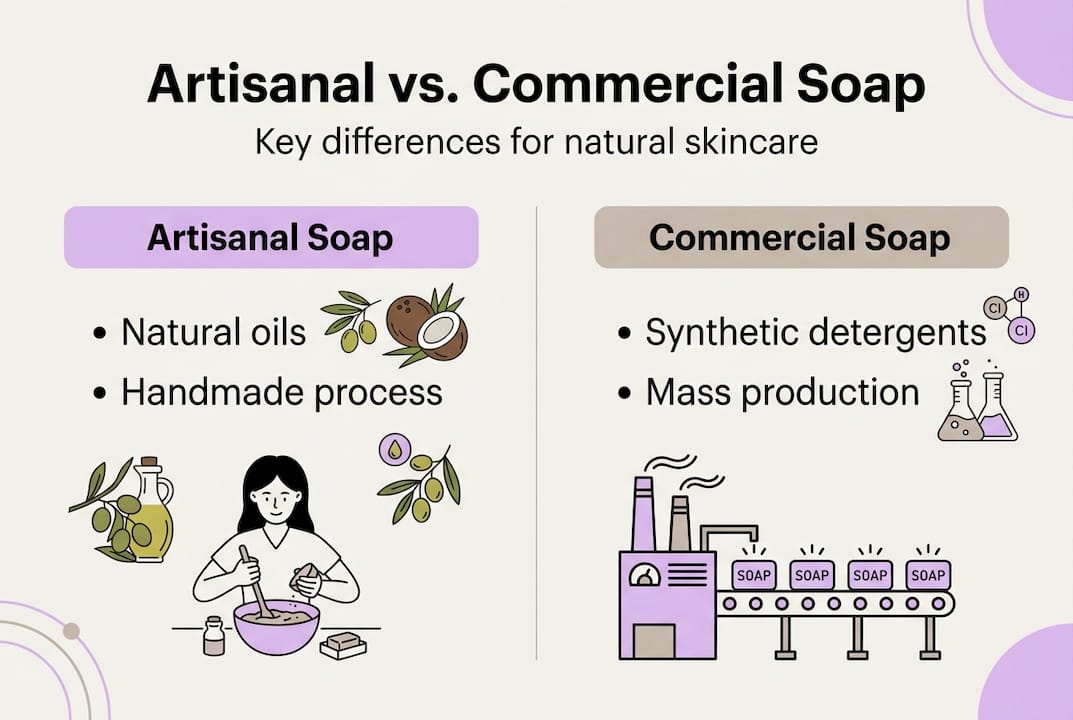
- Artisanal vs. commercial soap: What’s the real difference?
- How to choose and use artisanal soap for your skin
- Where ‘artisanal’ soap gets misunderstood (and why it matters)
- Explore more natural skincare with ZenChemy Lab
- Frequently asked questions
Key Takeaways
| Point | Details |
|---|---|
| Artisanal means crafted | True artisanal soap involves hands-on production, transparency, and unique batch character. |
| Skin-friendly ingredients | Gentler plant oils and retained glycerin set artisanal soap apart for sensitive or dry skin. |
| Quality in each bar | Proper curing and natural methods create a safe, long-lasting bar with moisturising benefits. |
| Choose with care | Read labels and opt for formulas that match your skin’s needs for the best experience. |
What makes a soap ‘artisanal’?
Now that you know artisanal soaps aren’t just mass-produced, let’s clarify exactly what makes them unique.
The word artisanal gets thrown around a lot. But in the soapmaking world, it carries real meaning. According to Handmade Cosmetic Guild standards, true artisanal requires that more than 50% of the production process is performed by hand, from measuring and mixing to pouring, cutting, and curing. That human touch throughout the entire process is what separates it from factory output.
At the heart of every genuine artisanal bar is saponification, the chemical reaction where lye (sodium hydroxide) combines with oils or fats to produce soap and glycerin. This isn’t just tradition. It’s chemistry. And learning more about the art of soap craftsmanship helps you appreciate why every ingredient choice matters.
Artisanal soapmakers typically use one of two core methods:
- ✅ Cold process: Oils and lye are mixed at low temperatures. The soap is poured into moulds and requires a curing period of 4 to 6 weeks. Saponification completes over time, and the curing ensures safety by allowing all lye to be fully consumed.
- ✅ Hot process: Heat accelerates saponification. The soap can be used sooner, though many makers still cure it for a harder bar. The texture is often more rustic.
Both methods result in bars that retain natural glycerin, a humectant that draws moisture to the skin. Commercial manufacturing typically removes glycerin to sell separately, which is one reason commercial bars can feel drying.
There are also different types of natural soaps worth exploring, from goat milk bars to Castile soap, each with unique properties.
📊 Worth noting: There are no universal clinical benchmarks defining ‘artisanal’ across the industry, but the combination of hand processes, natural ingredients, and retained glycerin consistently distinguishes these bars in both lab tests and sensory evaluations.
Pro Tip: Always check for small batch labelling and a full ingredient list. Transparent makers share their ingredient sourcing. If a brand can’t tell you what’s in their soap, that’s a red flag.
How artisanal soap is made
To truly appreciate artisanal soap, it helps to see how every step shapes what eventually touches your skin.
Here’s how the cold process method typically unfolds:
- Measure oils and butters — Olive oil, coconut oil, shea butter, and other base fats are weighed precisely. The ratio of oils determines the final bar’s hardness, lather, and skin feel.
- Prepare lye solution — Sodium hydroxide is carefully dissolved in water (or milk, tea, or botanical infusion). This step requires safety precautions as lye is caustic at this stage.
- Combine at trace — Oils and lye solution are blended together until the mixture thickens to ‘trace,’ the consistency of a light pudding. Essential oils, botanicals, clays, and colourants are added here.
- Pour into moulds — The raw soap is poured into lined wooden or silicone moulds and left to harden for 24 to 48 hours.
- Unmould and cut — Once solid, bars are cut to size and placed on curing racks with good airflow.
- Cure — This is the most critical stage. The saponification process completes fully, water evaporates, and the bar becomes harder and milder.
| Stage | Duration | Purpose |
|---|---|---|
| Mixing and pouring | 30 to 90 minutes | Initiates saponification |
| Hardening in mould | 24 to 48 hours | Initial solidification |
| Curing on rack | 4 to 6 weeks | Completes saponification, improves bar quality |
The curing phase is often underestimated. A bar used too early may still contain unreacted lye, which can irritate or even burn skin. Curing takes 4 to 6 weeks to ensure all lye is consumed, leaving a safe, gentle bar that lasts longer and lathers better.
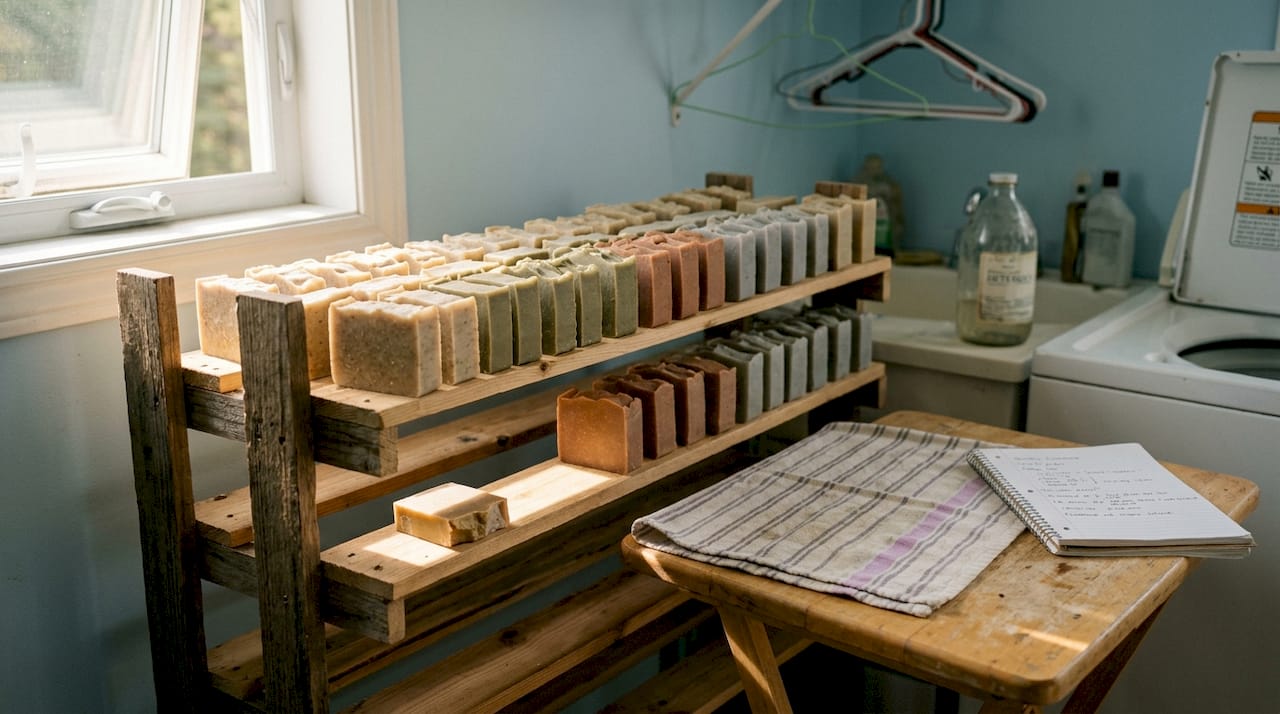
Pro Tip: A properly cured bar will feel smooth and firm, not sticky or soft. If a fresh-made bar feels tacky, it needs more time on the rack.
Artisanal vs. commercial soap: What’s the real difference?
But how does a handcrafted bar truly compare to its commercial cousins at the store?
The differences are more significant than most people realise. Research shows that artisanal soaps offer better skin compatibility and moisture retention, while synthetic commercial soaps may have stronger antibacterial action but often cause more irritation over time.
“Herbal soaps show better compatibility and moisture retention compared to synthetic soaps, though synthetic options demonstrate stronger antibacterial properties.”
Here’s a side-by-side comparison to make it concrete:
| Property | Artisanal soap | Commercial soap |
|---|---|---|
| Glycerin content | Retained naturally | Often removed |
| pH range | 7.5 to 11.2 | 7.5 to 11.2 |
| Foam retention | Up to 11 minutes (herbal) | Variable |
| Skin hydration | Higher, due to glycerin | Lower |
| Irritation risk | Generally lower | Can be higher |
| Ingredient transparency | High | Often limited |
For a deeper look at these differences, the comparison between artisanal and commercial soap reveals quite a few surprising findings.
That said, neither type is universally better for every situation. Here’s when to choose each:
- ✅ Choose artisanal if you have sensitive, dry, or reactive skin, prefer fragrance-free or botanically scented options, want to support small makers, or are looking for a meaningful gift.
- ✅ Choose commercial if you need strong antibacterial action (e.g., post-surgery hygiene), require a highly consistent formulation for clinical use, or are working with a very tight budget.
Exploring artisanal skincare benefits more broadly also shows how the philosophy behind handcrafted products extends far beyond the soap bar itself.
How to choose and use artisanal soap for your skin
Now that you know what artisanal soap offers, here’s how to find the best bar for your unique needs.
Start with your skin type and goals. Matching ingredients to your skin is the most reliable way to get results:
- Dry or sensitive skin: Look for olive oil, shea butter, or avocado oil as primary ingredients. These are rich in fatty acids and support the skin’s lipid barrier.
- Oily or acne-prone skin: Bars with activated charcoal, kaolin clay, or tea tree oil can help draw out impurities without stripping moisture.
- Normal or combination skin: A balanced coconut and olive oil base works well year-round.
Once you’ve found a bar that sounds promising, always patch test before full use. Apply a small lather to the inside of your wrist or elbow, wait 24 hours, and check for redness or irritation. It’s a simple step that saves you from a frustrating skin reaction. The skincare benefits of handmade soap are well-documented, but individual skin chemistry varies.
Signs a bar is truly artisanal:
- ✅ Full ingredient list (INCI names) is available
- ✅ Small batch or handmade labelling with a maker’s name
- ✅ Natural colourants and scent sources listed (no ‘fragrance’ as a catch-all)
- ✅ Curing date or ‘best before’ information included
- ✅ Visible texture variation between bars (a sign of hand-cutting)
Lab studies support the gentler profile of artisanal soaps compared to commercial options, especially for people with reactive or easily irritated skin. If you want to understand how pH plays into your skin’s response, learning about pH levels in handmade soap is worth your time.
You might also find it useful to explore herbal soap options if specific botanical ingredients are a priority for your routine.
Pro Tip: Rotate your soaps seasonally. A richer shea butter bar in winter helps combat dryness, while a lighter clay bar works better in summer. Always store your bar on a draining soap dish away from direct water to extend its life significantly.
Where ‘artisanal’ soap gets misunderstood (and why it matters)
After seeing the practical tips for choosing your bar, let’s pause to consider what’s often overlooked in the artisanal soap conversation.
Here’s something we’ve noticed: most people fixate on the labels natural and handmade without asking deeper questions. Those words are a starting point, not a guarantee. A soap can be handmade with poorly chosen ingredients, or ‘natural’ while still using botanicals that cause irritation in sensitive skin.
The real value in artisanal soap lies in the combination of skilled craftsmanship, thoughtful ingredient selection, and proper process. Batch variation, which often worries first-time buyers, is actually a marker of authenticity. Each bar responds to the season’s humidity, the temperature of the workspace, and the maker’s technique. That variation isn’t inconsistency. It’s evidence of a human hand.
We also want to be honest: clinical benchmarks for what constitutes ‘artisanal’ are still evolving. But sensory evidence and lab data point consistently in the same direction. Bars made with retained glycerin, full saponification, and quality botanical oils perform better for skin hydration and gentleness.
Learning about crafting genuine soap helps you tell the difference between genuine artistry and clever marketing.
Explore more natural skincare with ZenChemy Lab
If you’re ready to elevate your routine, connect with truly artisanal skincare you can trust.
At ZenChemy Lab, every bar in our artisan soap collection is formulated and produced in Canada using natural oils, botanical ingredients, and a process we stand behind completely. We believe your skin deserves more than synthetic fillers and stripped-out glycerin.

Whether you’re exploring the real skincare benefits of handmade bars or still weighing handmade vs. commercial soaps, we have the resources and products to guide your next step. Explore our collections and find a bar that genuinely works for your skin, your values, and your self-care routine.
Frequently asked questions
Is artisanal soap better for sensitive skin?
Lab studies show that artisanal soaps are generally gentler and help retain moisture, making them a more suitable choice for sensitive skin than most commercial alternatives.
How can you tell if a soap is truly artisanal?
Look for evidence that most steps are handmade, that batches are small, and that the maker provides full ingredient transparency including sourcing information.
Does artisanal soap have a different pH than commercial soap?
Both types typically fall within a pH range of 7.5 to 11.2, but artisanal bars tend to feel less drying because they retain natural glycerin and beneficial skin-conditioning oils.
How long does artisanal soap need to cure?
Artisanal soap should cure for 4 to 6 weeks so that saponification completes fully, all lye is consumed, and the bar becomes safe, firm, and long-lasting.
Recommended
- Discover the art of soap craftsmanship and skin benefits – ZenChemy Lab
- Handmade soap: real skincare benefits you’ll notice – ZenChemy Lab
- Top 5 benefits of artisanal skincare for radiant skin – ZenChemy Lab
- Best types of natural soaps for healthy, radiant skin – ZenChemy Lab
- Natural vs. conventional toothpaste: key differences – Stop Oral Care