TL;DR:
- Quality botanical cosmetics should have recognized certifications, ingredient transparency, and clinical validation.
- Leading brands utilize ethically sourced extracts like CO2 and marine botanicals to ensure efficacy.
- Proper testing and transparency are essential, as “natural” labels do not guarantee safety or effectiveness.
The botanical cosmetics market is richer than ever, and that abundance can feel as overwhelming as it is exciting. Every shelf holds dozens of products claiming to harness the power of plants, but only a fraction truly deliver the purity, clinical backing, and sensorial luxury that passionate natural beauty lovers deserve. Distinguishing a genuinely exceptional botanical formula from a cleverly marketed one takes more than a glance at the label. This guide walks you through the key selection criteria, spotlights leading brands with integrity, compares botanical and synthetic approaches, and shows you how to build a ritual that feels as indulgent as it performs.
Table of Contents
- How to recognise quality in botanical cosmetics
- Leading examples of botanical cosmetic brands and products
- Comparing botanical vs synthetic cosmetic ingredients
- How to incorporate botanical cosmetics into your self-care ritual
- Why not all botanicals deliver true results
- Discover elevated botanical skincare with ZenChemy Lab
- Frequently asked questions
Key Takeaways
| Point | Details |
|---|---|
| Choose tested botanicals | Opt for products with clinical testing, certifications, and transparent sourcing to ensure safety and efficacy. |
| Top brands deliver proof | Leading botanical cosmetic brands pair sensorial pleasures with clinical results you can see and feel. |
| Understand ingredients | Compare botanicals and synthetics based on antioxidants, stability, and potential sensitivities before deciding. |
| Customize your ritual | Personalize skincare by layering botanical products tailored for your unique preferences and skin needs. |
How to recognise quality in botanical cosmetics
Not all botanical cosmetics are created equal. With so many products flooding the market, knowing what separates a truly high-quality formula from a mediocre one gives you a real advantage. Here is what to look for.
Certifications that mean something
Look for recognised seals such as COSMOS Organic, Ecocert, USDA Organic, or Leaping Bunny cruelty-free certification. These are not simply badges. They represent third-party audits of ingredient sourcing, manufacturing processes, and ethical standards. A brand willing to pursue and maintain these certifications is demonstrating accountability.
Transparency in sourcing and labelling
Quality brands tell you exactly where their botanicals come from, whether that is cold-pressed rosehip from Chile or steam-distilled lavender from Provence. Full ingredient lists, clear INCI names, and allergen disclosures show respect for the consumer. The purity and safety of botanicals depends greatly on how raw materials are harvested, stored, and processed before they ever reach your skin.
Evidence of testing and validation
Clinical trials, dermatologist-tested claims, and lab validation are signs that a brand invests in real performance rather than relying solely on the appeal of “natural.” A critical science perspective confirms that both natural and synthetic ingredients can be effective when properly tested, but natural products face specific risks including batch variability, contamination, and allergenicity that make scientific authentication essential.
Batch consistency and allergen disclosure
Botanicals sourced from living plants can vary season to season. A responsible brand uses methods like HPLC testing to verify potency and consistency across batches. Allergen disclosure is equally critical, especially for those with solutions for sensitive skin concerns.
✅ Quick checklist for evaluating botanical cosmetics:
- Third-party certifications (organic, cruelty-free)
- Full ingredient transparency with INCI names
- Allergen and batch disclosures
- Clinical or dermatological testing evidence
- Named ingredient origins and extraction methods
Pro Tip: Flip the bottle over before you read the front. The ingredient list (INCI) tells you the real story. Water-based fillers near the top and synthetic fragrance near the bottom of a “pure botanical” product is a red flag worth noting.
Leading examples of botanical cosmetic brands and products
With a clear idea of what makes botanicals truly special, let us spotlight some of the most acclaimed botanical beauty brands and their signature products. Organic skincare brands such as Herbivore Botanicals, True Botanicals, Pevonia, cocokind, Osea Malibu, and Ellara Organics are raising the standard for what plant-powered skincare can achieve.
| Brand | Signature product | Key botanical ingredient | Standout feature |
|---|---|---|---|
| True Botanicals | Chebula Active Serum | Chebula fruit extract | Clinical antioxidant results |
| Ellara Organics | Botanical Radiance Crème | CO2 turmeric extract | Antioxidant-rich, brightening |
| Herbivore Botanicals | Lapis Facial Oil | Blue tansy + squalane | Calming, sensorial luxury |
| Osea Malibu | Advanced Protection Cream | Seaweed complex | Marine bioactive hydration |
| Pevonia | Phyto-Aromatic Mask | Chamomile + arnica | Spa-grade treatment ritual |
| cocokind | Ceramide Barrier Serum | Plant-derived ceramides | Barrier repair, vegan |
These brands share a commitment to top natural body care ingredients that are validated, ethically sourced, and genuinely effective.
What makes these formulas stand out?
- 🌿 CO2 extracts preserve heat-sensitive phytochemicals far better than standard steam distillation
- 🌊 Marine botanicals like seaweed deliver unique polysaccharides not found in land-based plants
- 🌼 Rare plant oils such as sea buckthorn and marula provide clinically studied fatty acid profiles
- 🍵 Chebula (Terminalia chebula) is sometimes called the “king of herbs” in Ayurvedic tradition, backed by modern antioxidant research
Pro Tip: Look for brands that publish a “ritual layering” guide. When you apply a lightweight serum before a richer oil and then seal with a cream, you maximise both absorption and sensorial enjoyment. This layering approach transforms skincare from a chore into a genuine daily luxury.
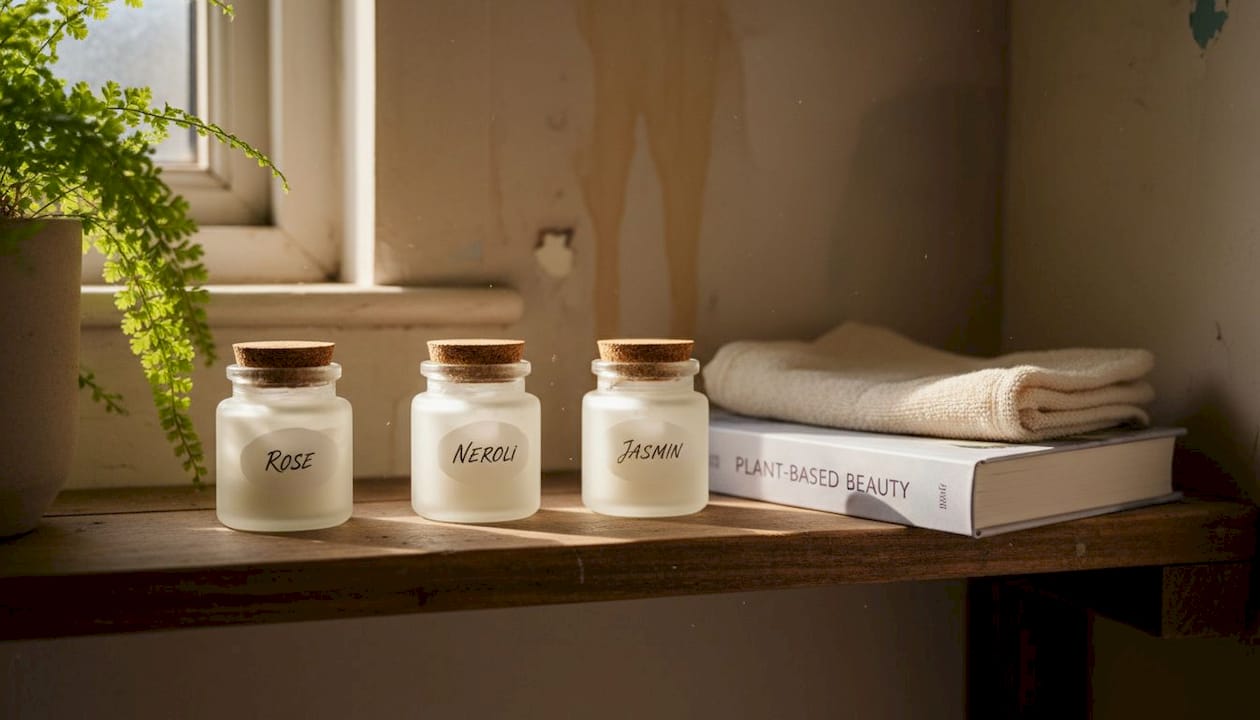
The mood-enhancing dimension of botanical cosmetics is real. Aromatic botanicals like rose, neroli, and jasmine have documented effects on relaxation and mood. Choosing formulas with these ingredients turns every application into a small act of self-care.
Comparing botanical vs synthetic cosmetic ingredients
After reviewing brand highlights, you might wonder how botanicals truly measure up against synthetic alternatives. Here is the science-driven comparison.
| Feature | Botanical ingredients | Synthetic ingredients |
|---|---|---|
| Antioxidant richness | High (polyphenols, flavonoids) | Limited, formulated in |
| Batch consistency | Variable by season/source | Highly consistent |
| Allergen risk | Moderate to higher | Generally lower |
| Sustainability profile | Often biodegradable | Variable, some persistent |
| Sensorial experience | Rich aroma, texture complexity | Often neutral, uniform |
| Authentication needs | HPLC, HPTLC testing required | Less complex |
The evidence is nuanced. Natural ingredients excel in antioxidants but bring real risks of allergens and variability, while synthetics offer consistency; both can be effective when properly tested, and authentication is essential to prevent adulteration.
“The question is not whether your cosmetic is natural or synthetic. The question is whether it has been properly tested, transparently labelled, and manufactured with care for both your skin and the planet.”
Botanicals bring something synthetics simply cannot fully replicate: the complex matrix of phytochemicals working together, often called the “entourage effect.” A plant-derived oil contains hundreds of fatty acids, vitamins, and volatile compounds that interact with your skin in ways that isolated synthetics do not. That is a genuinely exciting advantage.
However, you deserve honesty here. Batch variability is real. A cold-pressed oil from one harvest may differ in potency from the next. This is why the science behind natural vs synthetic matters so much when selecting products. Brands using chromatography testing verify that each batch meets the same phytochemical standard.
Key takeaways for informed shoppers:
- ✅ Prioritise brands that test botanical batches for consistency
- ✅ Understand that “natural” does not mean allergen-free
- ✅ Appreciate the unique phytonutrient complexity botanicals offer
- ✅ Value transparency over marketing language
For a deeper look at plant-based essentials explained, including how extraction methods affect potency, the difference in formulation approach is worth exploring before you shop.
How to incorporate botanical cosmetics into your self-care ritual
Knowing the differences gives you the power to craft a ritual that is just right for your needs. Here is how to put your botanical choices into practice for daily luxury.
Step-by-step botanical skincare ritual:
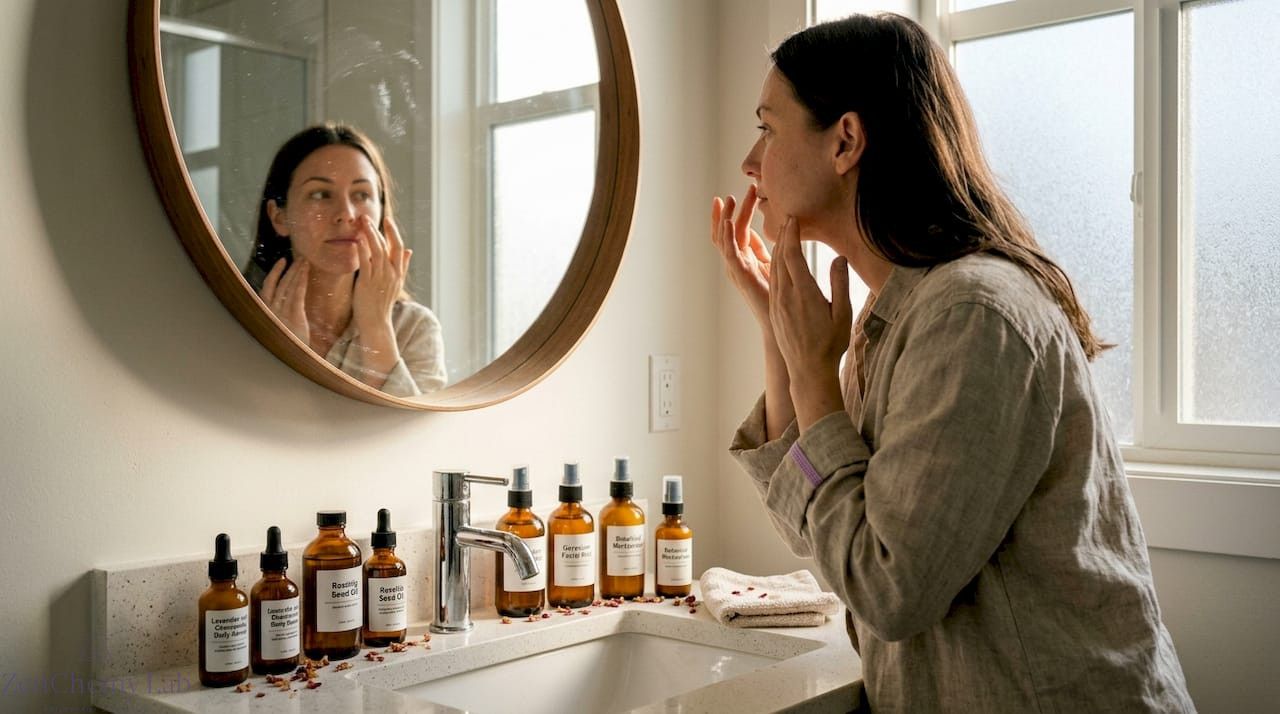
- Cleanse with a gentle botanical cleanser or artisan soap. Look for formulas with oat, calendula, or chamomile to preserve your moisture barrier during cleansing.
- Tone with a botanical hydrosol or rose water mist. A quality rose facial toner balances skin pH while delivering calming phytochemicals after cleansing.
- Apply serum or oil while skin is still slightly damp. This locks in hydration and helps active botanical compounds penetrate more effectively.
- Moisturise with a cream or balm suited to your skin type. Dry skin benefits from shea and marula; combination skin does well with lighter jojoba or aloe-based creams.
- Treat weekly with a botanical mask. Kaolin clay with chamomile suits sensitive skin; enzyme-based papaya masks gently resurface combination and oily types.
Recommendations by skin type:
- 🌸 Sensitive skin: Chamomile, oat, and calendula. Avoid essential oils with high linalool or limonene content until patch-tested.
- 💧 Dry skin: Sea buckthorn, rosehip, and shea-rich formulas. Layering a plant oil under your cream amplifies moisture retention.
- 🍃 Combination skin: Lightweight serums with hyaluronic acid from plant sources and light oils like hemp seed.
Layering rituals with sensory textures and clinically-backed botanicals boost both confidence and enjoyment, turning a routine into a restorative experience.
For a fully structured approach to building a self-care routine that works for your lifestyle and skin type, start with the cleansing step and add one product at a time rather than overhauling everything at once.
Pro Tip: Set your ritual space intentionally. Light a candle, play calming music, and take 60 seconds to breathe in the aroma of your botanical products before applying them. This is not just indulgence. Research on aromatherapy suggests that olfactory engagement with botanical scents actively shifts your nervous system toward calm.
Why not all botanicals deliver true results
With so many beautiful options available, it is worth stepping back to consider what truly separates the best from the rest. The uncomfortable truth in botanical skincare is this: the label “natural” does not guarantee efficacy, safety, or even authenticity.
Adulteration is more common than most consumers realise. An oil labelled as pure rosehip may be cut with cheaper carriers. A “botanical extract” may be present in such a small concentration that it offers no measurable benefit. Brands that lead with clinical testing data, such as True Botanicals sharing their Chebula serum results, give you something marketing copy cannot: evidence.
The expert perspective on natural vs synthetic makes clear that the most effective botanical products combine rigorous science with genuine plant integrity. Luxury and self-care are about intentional ritual, not just the word “natural” printed on a box. When you choose brands that test, disclose, and educate, you are not just buying a product. You are investing in a practice built on real knowledge.
Discover elevated botanical skincare with ZenChemy Lab
At ZenChemy Lab, we transform raw botanical ingredients into artisanal skincare that balances purity with performance. Every formula we craft reflects a commitment to clean sourcing, careful testing, and the kind of sensorial richness that makes your daily ritual feel truly special.
If you are ready to explore botanically-driven skincare with real integrity, our artisan soap collection is a beautiful place to start. For guidance on building your full routine, our natural skincare tips give you clear, science-backed steps. And when you want to understand which body care ingredients truly deliver results, we have done the research so you do not have to.
Frequently asked questions
What are the most effective botanical cosmetic ingredients?
Highly effective botanical ingredients include CO2 extracts of turmeric, chamomile, rose, sea buckthorn, and antioxidant-rich plant oils validated in clinical skincare studies. These concentrated extracts preserve heat-sensitive phytochemicals that standard processing destroys.
Can botanical cosmetics cause skin reactions?
Yes. Batch variability and allergenicity are real risks in botanical cosmetics, particularly for those with sensitive skin or known plant allergies. Always patch-test new formulas and choose brands with full allergen disclosure.
How do I verify the authenticity of a botanical cosmetic?
Look for brands that provide clinical testing data alongside ingredient sourcing transparency and official certifications such as organic and cruelty-free. Methods like HPTLC and HPLC testing are gold standards for botanical authentication.
Are botanical cosmetics always better than synthetics?
Not always. While botanicals offer unique antioxidants and sensorial complexity, synthetics provide stability and consistency that some formulas require. Both can be safe and effective when properly tested and transparently labelled.