
TL;DR:
- Pure soap is made from natural fats and lye through saponification, retaining glycerine.
- Unlike commercial soaps, pure soap contains no synthetic detergents, fragrances, or artificial additives.
- Choosing pure soap supports skin health, environmental sustainability, and mindful self-care choices.
Most people assume that soap is soap. You lather up, rinse off, and move on. But the reality is that most commercial bars sitting on store shelves are not truly “pure” soap at all. They are closer to synthetic detergent bars formulated for cost efficiency, not skin health. Understanding what pure soap actually means gives you the power to make smarter choices for your skin, your family, and the environment. This guide walks you through the definition of pure soap, its real benefits, how it stacks up against commercial options, and exactly what to look for when shopping.
Table of Contents
- What defines pure soap?
- Pure soap vs. regular and synthetic cleansers
- Key benefits of using pure soap for your skin
- How to recognise and choose real pure soap
- What most people miss about pure soap
- Find your pure soap and elevate your routine
- Frequently asked questions
Key Takeaways
| Point | Details |
|---|---|
| Pure soap basics | Pure soap contains only natural fats, lye, and water, with no synthetic additives. |
| Health benefits | Pure soap is gentle, safe for sensitive skin, and helps maintain your skin’s natural barrier. |
| Choosing wisely | Look for ingredient transparency and avoid soaps with vague or unnecessary additives. |
| Environmental impact | Pure soaps are usually biodegradable and eco-friendly compared to synthetic cleansers. |
What defines pure soap?
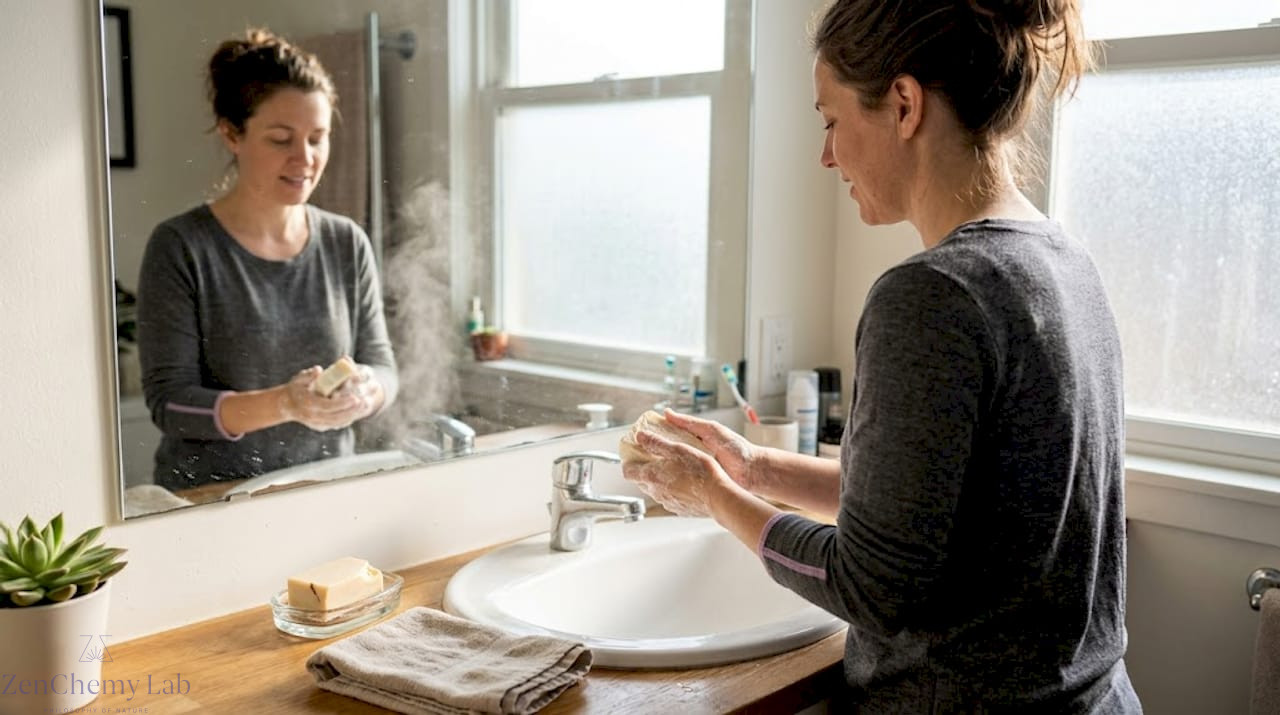
Pure soap has a straightforward definition: it is made by combining natural fats or oils with an alkali, traditionally sodium hydroxide (lye), through a chemical process called saponification. That is it. No synthetic detergents, no artificial fragrances, no fillers, no preservatives that your skin does not need. The result is a gentle, effective cleanser that works with your skin rather than against it.
Saponification is the reaction where fats and lye transform into soap and glycerine. The glycerine is a naturally occurring humectant, meaning it draws moisture to the skin. In mass-market soap production, this glycerine is often extracted and sold separately, leaving behind a harsher bar. In pure soap, the glycerine stays right where it belongs.
Pure soap is made from natural fats and lye, without extra synthetic additives, which is what sets it apart from the majority of commercial options.
Common ingredients you will find in pure soap:
- 🌿 Olive oil — rich in oleic acid, deeply nourishing and gentle on sensitive skin
- 🌿 Coconut oil — creates a firm bar with excellent lather and cleansing power
- 🌿 Shea butter — adds creaminess and supports skin barrier function
- 🌿 Castor oil — boosts lather and helps condition the skin
- 🌿 Sodium hydroxide (lye) — fully consumed during saponification; none remains in the finished bar
- 🌿 Essential oils — used sparingly for natural scent (optional)
- 🌿 Natural colourants — clays, botanicals, or herbs for colour and mild skin benefits
Mass-market soaps, by contrast, frequently contain sodium lauryl sulphate (SLS), synthetic fragrance compounds, EDTA, parabens, and artificial dyes. These ingredients extend shelf life and reduce production costs, but they can disrupt the skin’s natural lipid barrier.
Pro Tip: Always look for full ingredient disclosure on artisanal soap labels. If a brand is not listing every ingredient clearly, that is a reason to pause before purchasing.
Pure soap vs. regular and synthetic cleansers
Now that we have covered the essentials of pure soap, let us see how it compares directly with more commercial and synthetic options.
Many mainstream soaps marketed as “soap” are actually synthetic detergents (syndets) with added chemicals. These are engineered products, not traditional soap, and they behave very differently on your skin.
Comparison: pure soap vs. regular soap vs. synthetic cleansers
| Feature | Pure soap | Regular commercial soap | Synthetic cleanser (syndet) |
|---|---|---|---|
| Core ingredients | Natural oils and lye | Oils, lye, synthetic additives | Synthetic surfactants |
| Glycerine retained | ✅ Yes | ❌ Often removed | ❌ Rarely included |
| Skin feel after use | Soft, balanced | Can feel tight or dry | Varies widely |
| Fragrance source | Essential oils or none | Synthetic fragrance | Synthetic fragrance |
| Environmental impact | Biodegradable | Moderate to high impact | Higher chemical load |
| Suitable for sensitive skin | ✅ Generally yes | ⚠️ Often not | ⚠️ Depends on formula |
How commercial soap is made versus pure soap:
- Commercial soap: Manufacturers combine fats with lye under high heat and pressure, then extract the glycerine for resale. Synthetic additives, preservatives, and fragrances are blended in. The bar is then moulded, dried rapidly, and packaged at scale.
- Pure/handmade soap: Oils and lye are combined at lower temperatures (cold process or hot process methods). The mixture saponifies slowly, retaining glycerine. Natural additives like clays or botanicals are folded in. Bars cure for several weeks to harden naturally.
“The difference between pure soap and a syndet bar is not just philosophical, it is chemical. What you put on your skin daily shapes your skin barrier over time.” — ZenChemy Lab
From a regulatory standpoint, the word “soap” on a label is actually a specific legal designation in many countries. Products that do not meet the traditional definition of saponified oils must be labelled as “beauty bars,” “cleansing bars,” or “body wash.” That labelling distinction is your first clue about what you are really buying. Explore more about commercial vs handmade soaps to understand the full picture.
Key benefits of using pure soap for your skin
With the main differences clear, the real question is why does pure soap matter for your skin and lifestyle?
Pure soap is less likely to trigger sensitivities and preserves the skin’s natural moisture barrier. This is significant because your skin barrier, often described as a “brick and mortar” structure of skin cells and lipids, is your first line of defence against environmental stressors, bacteria, and moisture loss (TEWL, or transepidermal water loss).
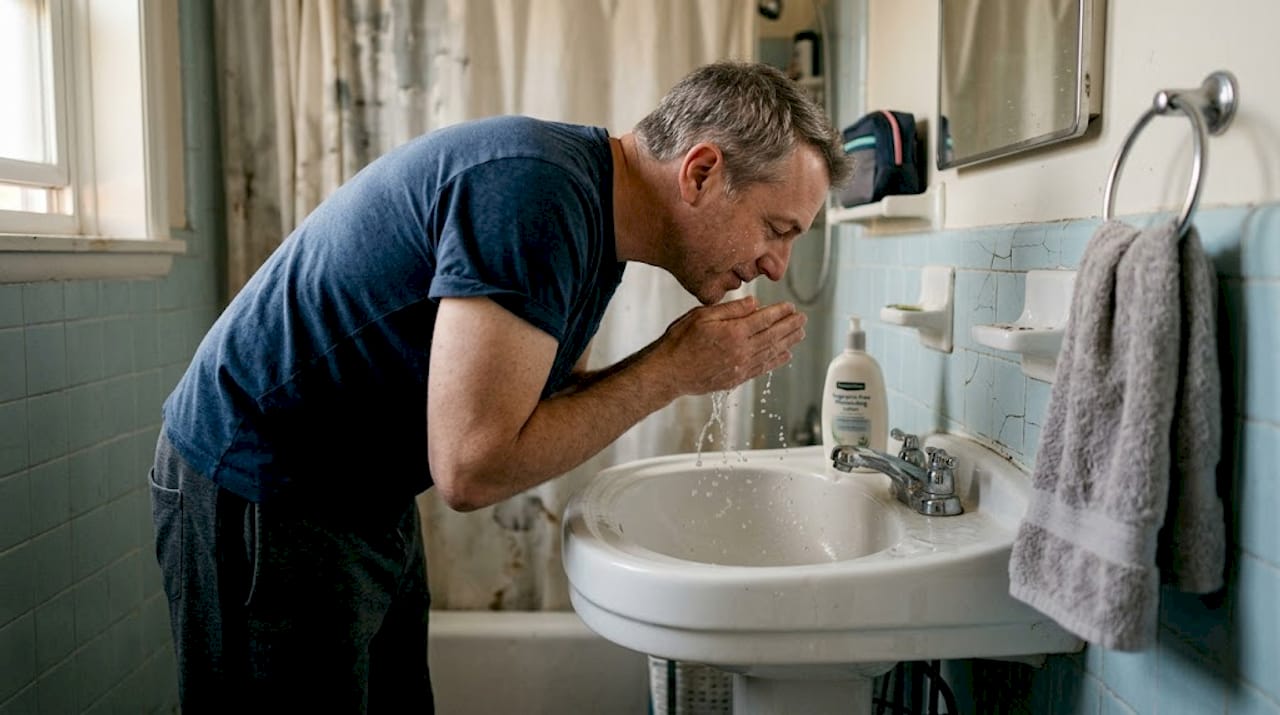
When you wash with a harsh syndet or a soap loaded with SLS, you strip away the lipids that hold that structure together. Over time, this leads to dryness, redness, and increased sensitivity. Pure soap, with its retained glycerine and nourishing oils, supports rather than disrupts this barrier.
Key benefits at a glance:
- ✅ Gentle cleansing — removes dirt and excess oil without stripping the skin’s natural lipid layer
- ✅ Suitable for all skin types — including dry, combination, and sensitive skin
- ✅ No synthetic chemical residues — what you rinse off is truly gone
- ✅ Biodegradable formula — breaks down naturally without harming waterways
- ✅ Supports local artisans — buying handmade soap often means supporting small Canadian businesses
- ✅ Cleaner bathroom environment — fewer volatile synthetic compounds in your daily air
- ✅ Minimal packaging — artisanal soaps often come with compostable or minimal wrapping
Plant-based, fragrance-free pure soaps have notably lower rates of allergic skin reactions compared to soaps containing synthetic fragrances, which are among the most common contact allergens in personal care products. Exploring the best types of natural soaps can help you match a formula to your specific skin needs.
Pro Tip: If you have eczema-prone or reactive skin, do a patch test on your inner wrist for 24 hours before switching to any new soap, even a pure one. Every skin is different, and even natural ingredients can occasionally cause reactions in highly sensitive individuals.
How to recognise and choose real pure soap
Armed with an understanding of why pure soap is beneficial, you are ready to spot true purity in the market and avoid marketing traps.
The first thing to know: labels like “natural,” “organic,” or “pure” are not regulated, so checking ingredient lists and knowing common red flags is key. Any brand can print “natural” on a label without it meaning anything specific.
Label red flags to watch for:
- ⚠️ “Fragrance” or “parfum” (catch-all terms that can hide hundreds of synthetic chemicals)
- ⚠️ Sodium lauryl sulphate (SLS) or sodium laureth sulphate (SLES)
- ⚠️ EDTA (a synthetic preservative and chelating agent)
- ⚠️ Artificial colourants listed as FD&C or D&C followed by a colour and number
- ⚠️ Parabens (methylparaben, propylparaben)
What label wording actually means:
| Label claim | What it really means | Trustworthy? |
|---|---|---|
| “Pure soap” | No legal standard; check ingredients | Only if ingredients confirm it |
| “Natural” | No regulation; marketing term | Verify with full ingredient list |
| “Organic” | May be certified or not; look for certification body | Yes, if certified (e.g., USDA, Ecocert) |
| “Handmade” | Made by hand; does not guarantee purity | Better, but still check ingredients |
| “Fragrance-free” | No added fragrance; good sign | Generally trustworthy |
How to shop for pure soap (step by step):
- Read the full INCI (International Nomenclature of Cosmetic Ingredients) list, not just the marketing copy on the front.
- Look for oils and butters listed by their botanical names (e.g., Olea europaea for olive oil).
- Confirm sodium hydroxide or potassium hydroxide is listed, indicating true saponification.
- Check for the absence of SLS, synthetic fragrance, and artificial colourants.
- Research the brand: do they disclose their process, sourcing, and full ingredient lists?
- Ask questions. Reputable artisanal brands welcome them.
Questions worth asking your soap maker:
- What oils do you use, and where are they sourced?
- Do you use synthetic fragrance or only essential oils?
- How long do your bars cure before sale?
- Are your ingredients certified organic or sustainably sourced?
Learning about soap craftsmanship and skin benefits can also sharpen your eye for quality when comparing products. Browse natural soap varieties to see how different oil combinations serve different skin types.
What most people miss about pure soap
Here is the perspective that rarely gets discussed: the biggest difference between pure soap and commercial bars is not just the ingredient list. It is the philosophy behind them.
Commercial soap is engineered for uniformity and cost efficiency. Every bar is identical, optimised for shelf life and mass appeal. Pure soap, on the other hand, is formulated with intention. Each ingredient is chosen for what it contributes to your skin, not what it saves on the production line.
Choosing pure soap is also choosing a slower, more mindful self-care ritual. You are not just cleansing. You are making a daily decision about what touches your skin, what goes down your drain, and whose craft you support. That shift in thinking changes the whole experience.
The real power of pure soap is what it leaves out. No synthetic allergens. No chemical residues. No unnecessary complexity. Switching to pure soap often feels like reclaiming something simple and honest in a world of overcomplicated formulas. Discover more about the artisanal soap benefits that go beyond what the ingredient list can capture.
Find your pure soap and elevate your routine
If this guide has sparked your curiosity, the next step is finding a pure soap that truly fits your skin and values.
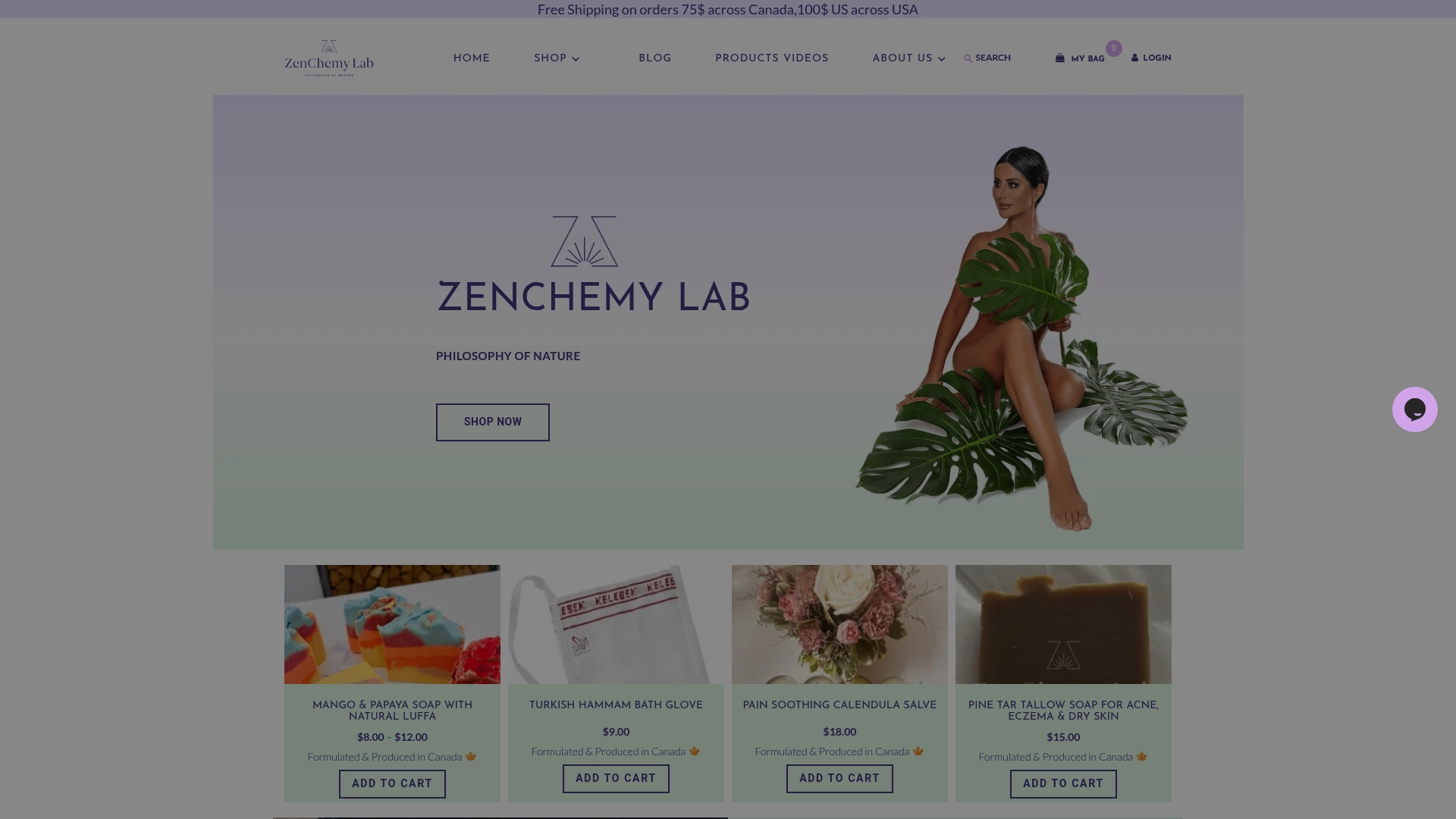
At ZenChemy Lab, we craft every bar with full ingredient transparency, traditional saponification methods, and a genuine commitment to skin health. Our Artisan Soap Collection is formulated and produced in Canada, designed for sensitive and eco-conscious skin. Whether you are making the switch for the first time or looking to deepen your natural skincare routine, explore the real skincare benefits our handcrafted soaps deliver. Your skin deserves ingredients you can actually trust.
Frequently asked questions
Is pure soap always handmade?
Handmade soap is often pure because of simple, traditional methods, but what truly matters is ingredient purity, not the scale of production. Some small-batch companies use semi-automated methods while still maintaining full ingredient integrity.
Can pure soap help with sensitive skin conditions?
Pure soap is less likely to trigger sensitivities and preserves the skin’s natural moisture barrier, making it a strong choice for eczema-prone or reactive skin. Choosing a fragrance-free, additive-free formula gives sensitive skin the best chance to stay calm and balanced.
Are all ‘natural’ soaps considered pure soap?
Not necessarily. Labels such as “natural” are not regulated, so always read the full ingredient list to confirm there are no synthetic fragrances, detergents, or artificial colourants hiding behind the marketing.
What is the difference between pure soap and castile soap?
Castile soap is a specific type of pure soap made primarily from olive oil, originating from the Castile region of Spain. Not all pure soaps are castile; what they share is the absence of synthetic additives and a foundation of saponified natural oils.
Does pure soap expire?
Pure soap does not spoil the way food does, but natural oils can eventually go rancid, causing a change in scent or colour. Stored in a cool, dry place away from direct sunlight, a well-made pure soap bar can remain effective for one to two years.
Recommended
- Discover the art of soap craftsmanship and skin benefits – ZenChemy Lab
- Best types of natural soaps for healthy, radiant skin – ZenChemy Lab
- What is artisanal soap? Benefits for natural skincare – ZenChemy Lab
- Make beautiful DIY handmade soap: a step-by-step guide – ZenChemy Lab
- Oil-based cleanser: Τι είναι και γιατί ξεχωρίζει | B Woman
2 Comments