TL;DR:
- Botanical extracts are concentrated plant preparations obtained through solvents, distillation, or infusion. They include essential oils, tinctures, powders, and CO2 concentrates, each with unique properties and applications. The quality and effectiveness of botanical extracts depend on extraction methods, standardization, sourcing transparency, and proper identification.
A botanical extract is a concentrated preparation of plant constituents separated from raw plant material using solvents, distillation, or infusion. The term covers a broad category of preparations, from essential oils and tinctures to powdered extracts and CO2 concentrates. The United States Pharmacopeia (USP) defines botanical extracts as preparations standardised by constituent concentration, using solvents such as water or alcohol. The World Health Organization estimates that 80% of the global population relies on plant-based medicines for primary healthcare. That figure tells you exactly why understanding plant extracts matters, whether you are choosing a skincare product or a wellness supplement.
What is botanical extract and how is it defined?
A botanical extract is the industry term for any concentrated plant preparation obtained by drawing out specific compounds from plant material. The process separates bioactive constituents, such as flavonoids, alkaloids, terpenes, and phenolic acids, from the raw plant matrix. What remains is a more concentrated, targeted form of the plant’s active chemistry.
The USP classifies botanical extracts into three main preparation forms:
- Fluidextracts: Liquid preparations where one millilitre is equivalent to one gram of the original plant material.
- Powdered extracts: Dried, concentrated solids produced after solvent removal.
- Tinctures: Dilute alcohol-based preparations with a lower concentration of actives than fluidextracts.
Each form serves a different purpose. Powdered extracts suit capsule formulations and skincare powders. Tinctures are common in herbal wellness products. Fluidextracts offer a middle ground for topical and ingestible applications. The definition of botanical extract under USP standards also requires that solvents be removed to prescribed levels, which directly affects the safety and potency of the final product.
How are botanical extracts made and standardised?
The extraction method determines the chemical profile of the final product. Each technique pulls different compounds from the plant, which is why two products labelled “chamomile extract” can have very different effects depending on how they were made.
Common extraction techniques include:
- Solvent extraction: Uses water, ethanol, or glycerin to dissolve and draw out plant compounds. Water extracts polysaccharides and some phenolics. Ethanol captures a wider range of actives, including alkaloids and flavonoids.
- Steam distillation: Passes steam through plant material to capture volatile aromatic compounds. The result is an essential oil and a hydrosol. This method is limited to volatile molecules.
- CO2 extraction: Uses pressurised carbon dioxide as a solvent. CO2 extraction captures a broader compound range than steam distillation, including heavier, non-volatile molecules. This produces a richer therapeutic profile.
- Infusion: Soaks plant material in a carrier oil or water over time. Cold infusions preserve heat-sensitive compounds. Hot infusions speed up extraction but may degrade some actives.
- Maceration and percolation: Variations of solvent extraction used to improve yield and consistency in commercial production.
Standardisation is the process of adjusting the final extract so it contains a defined percentage of a target active compound. A standardised green tea extract, for example, might be adjusted to contain 50% polyphenols. Standardised botanical extracts are adjusted for uniform active compound percentages such as flavonoids or alkaloids, which is vital for reproducible results in formulations.
Pro Tip: When reading a product label, look for the phrase “standardised to X%” followed by the active compound name. This tells you the extract has been quality-controlled for potency, not just sourced from the plant.
What types of botanical extracts exist?
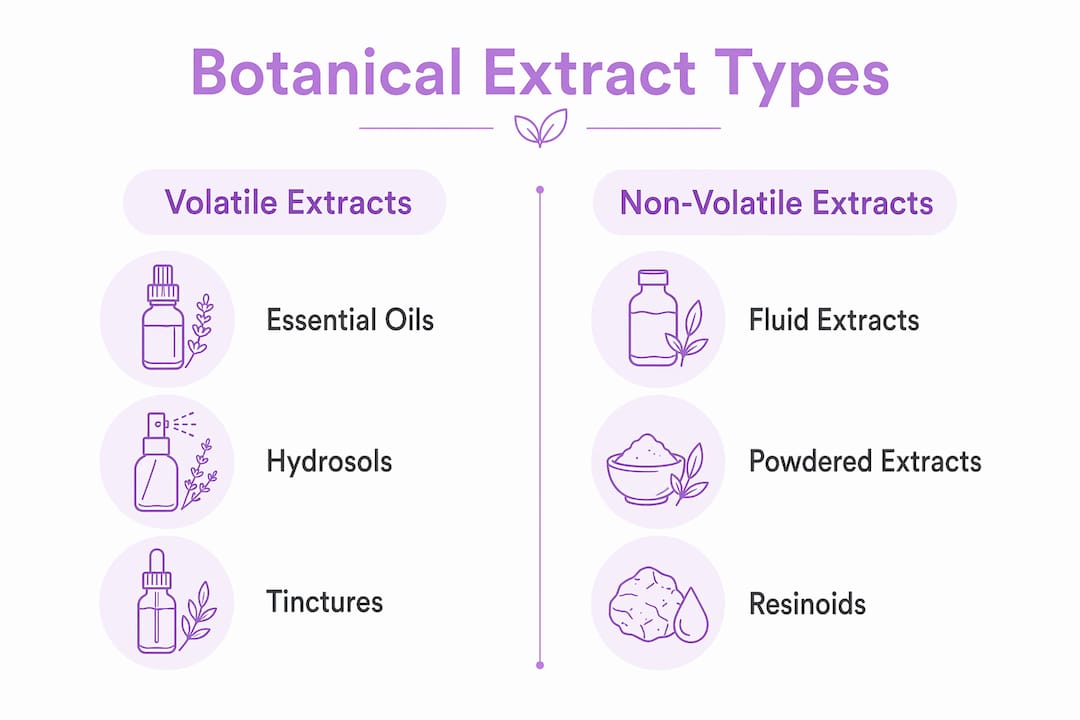
Botanical extracts include essential oils, hydrosols, tinctures, fluidextracts, and powdered extracts, each differentiated by extraction method and plant part. Consumers often misunderstand “botanical extract” as a single product type. It is actually a category that spans dozens of preparation forms with very different properties.
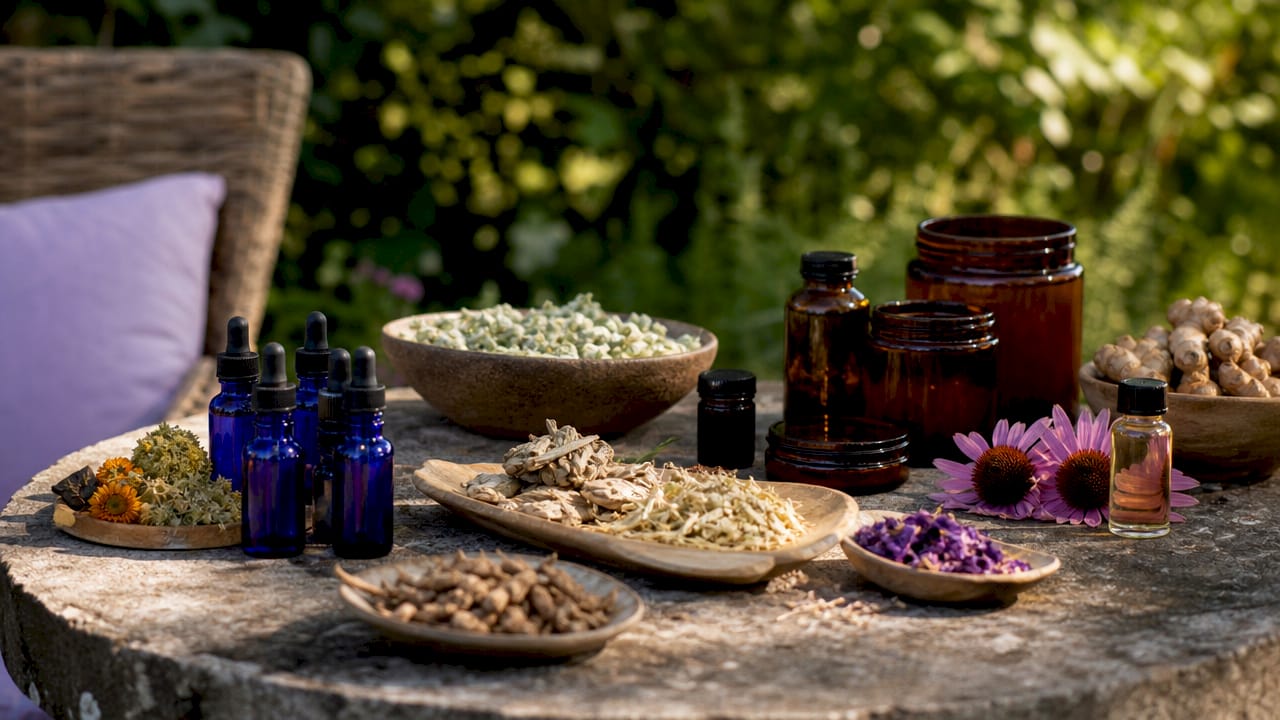
The plant part used matters as much as the method. Roots tend to yield dense, resinous extracts rich in alkaloids. Flowers produce delicate aromatic compounds best captured by distillation or CO2. Seeds and bark often contain concentrated tannins and fatty acids suited to oil infusion or solvent extraction.
| Extract type | Extraction method | Form | Typical applications |
|---|---|---|---|
| Essential oil | Steam distillation | Liquid (volatile) | Aromatherapy, topical skincare, fragrance |
| Hydrosol | Steam distillation | Aqueous liquid | Toners, facial mists, gentle skin care |
| Tincture | Alcohol/water maceration | Dilute liquid | Herbal wellness, oral supplements |
| Fluidextract | Solvent extraction | Concentrated liquid | Pharmaceutical, topical formulations |
| Powdered extract | Solvent extraction + drying | Dry powder | Capsules, skincare actives, serums |
| CO2 extract | Supercritical CO2 | Semi-solid or liquid | Premium skincare, nutraceuticals |
| Oil infusion | Carrier oil maceration | Infused oil | Massage oils, balms, artisanal soaps |
The distinction between volatile and non-volatile extracts is particularly relevant for skincare. Essential oils are volatile, meaning they evaporate quickly and interact with the skin’s surface chemistry. Non-volatile extracts, such as powdered or CO2 extracts, remain on the skin longer and deliver sustained bioactive contact. For a closer look at how essential oils function as a subset of botanical preparations, the differences in application become even clearer.
Why do botanical extracts matter in skincare and wellness?
Botanical extracts are valued for their accessibility, cost-effectiveness, and fewer side effects compared to synthetic alternatives. Experts highlight these advantages as the reason plant-based preparations continue to bridge traditional and modern medicine. In skincare specifically, the bioactive compounds in plant extracts perform functions that synthetic molecules often replicate at higher cost and with greater irritation risk.
Key bioactive categories found in botanical extracts include:
- ✅ Antioxidants (polyphenols, vitamin C, tocopherols): Neutralise free radicals that accelerate skin ageing.
- ✅ Anti-inflammatory compounds (bisabolol, allantoin, boswellic acids): Calm redness, reduce swelling, and support barrier repair.
- ✅ Antimicrobial agents (thymol, eugenol, tea tree terpinen-4-ol): Inhibit bacteria and fungi on the skin’s surface.
- ✅ Humectants and emollients (aloe vera polysaccharides, oat beta-glucan): Draw moisture into the skin and soften the surface.
The botanical extracts market is projected to reach a multi-billion dollar valuation, driven by consumer demand for natural and sustainable personal care solutions. That growth reflects a genuine shift in how people think about what goes on their skin. The science behind plant-based skincare supports this trend, with studies confirming measurable efficacy for many commonly used botanical actives.
Pro Tip: If you have sensitive skin, patch-test any new botanical extract product on your inner wrist for 24 hours before applying it to your face. Even natural compounds can trigger reactions in reactive skin types.
How can you identify quality and safe botanical extracts?
Not all botanical extracts are equal, and “natural” on a label does not guarantee safety or efficacy. High-potency botanical extracts can cause sensitisation, and ingredients are sometimes hidden under generic terms in ingredient lists. Health Canada recognises this risk and provides guidance on safe use of essential oils and botanical preparations for Canadian consumers.
When evaluating a botanical extract product, look for these quality indicators:
- Standardisation statement: The label should specify the active compound and its percentage (e.g., “standardised to 5% rosmarinic acid”).
- Botanical Latin name: Reputable products list the plant’s Latin binomial (e.g., Calendula officinalis) alongside the common name.
- Plant part used: The label should state whether the extract comes from the root, leaf, flower, or seed, as each yields different compounds.
- Extraction solvent: Knowing whether ethanol, water, or CO2 was used helps you predict the extract’s compound profile.
- Third-party certifications: Look for organic certification, fair-trade sourcing, or ISO-compliant manufacturing as markers of quality control.
Standardisation and ethical sourcing are rising priorities as consumers demand greater transparency from natural product brands. A brand that discloses its sourcing, extraction method, and active compound levels is demonstrating accountability, not just marketing. Vague claims like “contains botanical extracts” with no further detail are a red flag. For a practical comparison of how natural and synthetic ingredients are evaluated in skincare formulations, the differences in transparency standards are striking.
Pro Tip: Avoid products that list “fragrance” or “parfum” as a catch-all ingredient. These terms can legally conceal dozens of botanical or synthetic compounds, including known sensitisers.
Key takeaways
Botanical extracts deliver concentrated plant bioactives through defined extraction methods, and their quality depends entirely on standardisation, sourcing transparency, and the extraction technique used.
| Point | Details |
|---|---|
| Definition is broad | “Botanical extract” covers essential oils, tinctures, powders, and CO2 extracts, not a single product type. |
| Method shapes the extract | CO2 extraction captures more compounds than steam distillation, directly affecting therapeutic value. |
| Standardisation signals quality | Look for active compound percentages on labels to confirm potency and consistency. |
| Natural does not mean risk-free | High-potency extracts can sensitise skin; always check for Latin names, plant parts, and certifications. |
| Global demand is growing | The botanical extracts market is expanding rapidly, driven by consumer preference for plant-based personal care. |
What I have learned from years of working with botanical extracts
The most common mistake I see is treating “botanical extract” as a single ingredient category. A lavender essential oil and a lavender CO2 extract are both botanical preparations from the same plant, but they behave completely differently on skin. The essential oil is volatile, fast-acting, and aromatic. The CO2 extract is dense, slow-releasing, and rich in heavier lipid compounds. Using them interchangeably in a formulation produces unpredictable results.
What I find genuinely exciting right now is the intersection of traditional botanical knowledge and modern extraction technology. Supercritical CO2 extraction, for instance, was not commercially accessible to small-batch formulators a decade ago. Now it is, and it is changing what artisanal skincare can achieve. Zenchemylab’s approach of working with raw, natural ingredients and transforming them into standardised formulations reflects exactly this shift.
The area that concerns me most is consumer misinformation. The word “botanical” has become a marketing shorthand for “safe and natural,” which is simply not accurate. Poison ivy is botanical. Concentrated essential oils can burn skin at undiluted doses. I encourage every reader to go beyond the front-of-pack claims and read the full ingredient list. If a brand cannot tell you the plant part, the extraction method, and the active compound percentage, that is a gap in accountability worth noticing.
The trend toward herbal infusions in skincare and DIY botanical formulations is genuinely positive. More people are engaging with plant science directly. The key is pairing that curiosity with the knowledge to evaluate what you are actually using.
— Alex
Botanical skincare made with intention at Zenchemylab
Zenchemylab transforms raw botanical ingredients into artisanal soaps, botanical cosmetics, and body care products that prioritise purity and skin health. Every formulation starts with the same question: what does this plant actually do, and how do we preserve that in the final product?
If you are ready to put botanical extract knowledge into practice, the natural beauty tips section at Zenchemylab covers science-backed routines built around plant-based actives. For those looking to explore specific products, the cosmetic extract collection features standardised botanical ingredients selected for both efficacy and ethical sourcing. Zenchemylab also offers a range of botanical body care products for readers who want to experience plant-based formulations firsthand.
FAQ
What is the simplest definition of a botanical extract?
A botanical extract is a concentrated preparation of plant compounds obtained by separating active constituents from raw plant material using solvents, distillation, or infusion. The USP defines these preparations by their constituent concentration and solvent type.
Are botanical extracts and herbal extracts the same thing?
The terms are often used interchangeably, but “botanical extract” is the broader category. Herbal extracts typically refer to preparations from medicinal herbs, while botanical extracts include any plant part, including roots, bark, seeds, and flowers, from any plant species.
How do I know if a botanical extract is high quality?
Look for a standardisation statement listing the active compound and its percentage, the plant’s Latin name, the plant part used, and the extraction method. Third-party certifications such as organic or fair-trade sourcing add further accountability.
Can botanical extracts cause skin reactions?
Yes. High-potency botanical extracts can cause sensitisation, particularly essential oils used at undiluted concentrations. Patch-testing before full application is the safest approach for anyone with reactive or sensitive skin.
Why is CO2 extraction considered superior for skincare?
CO2 extraction captures a wider range of plant compounds than steam distillation, including heavier non-volatile molecules that contribute to a richer therapeutic profile. This makes CO2 extracts particularly valuable in premium skincare formulations where full-spectrum plant chemistry is the goal.