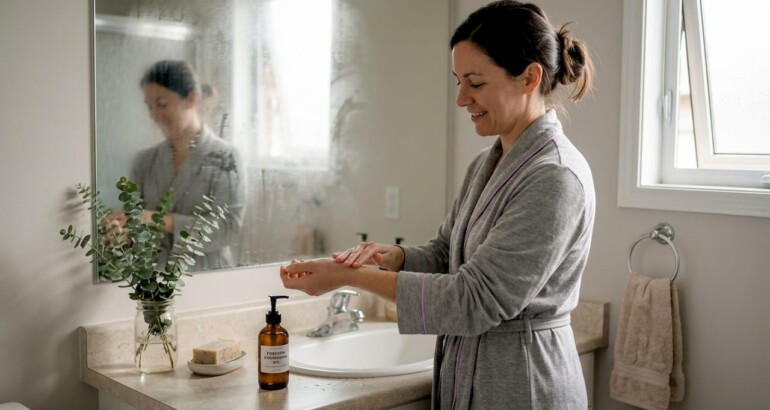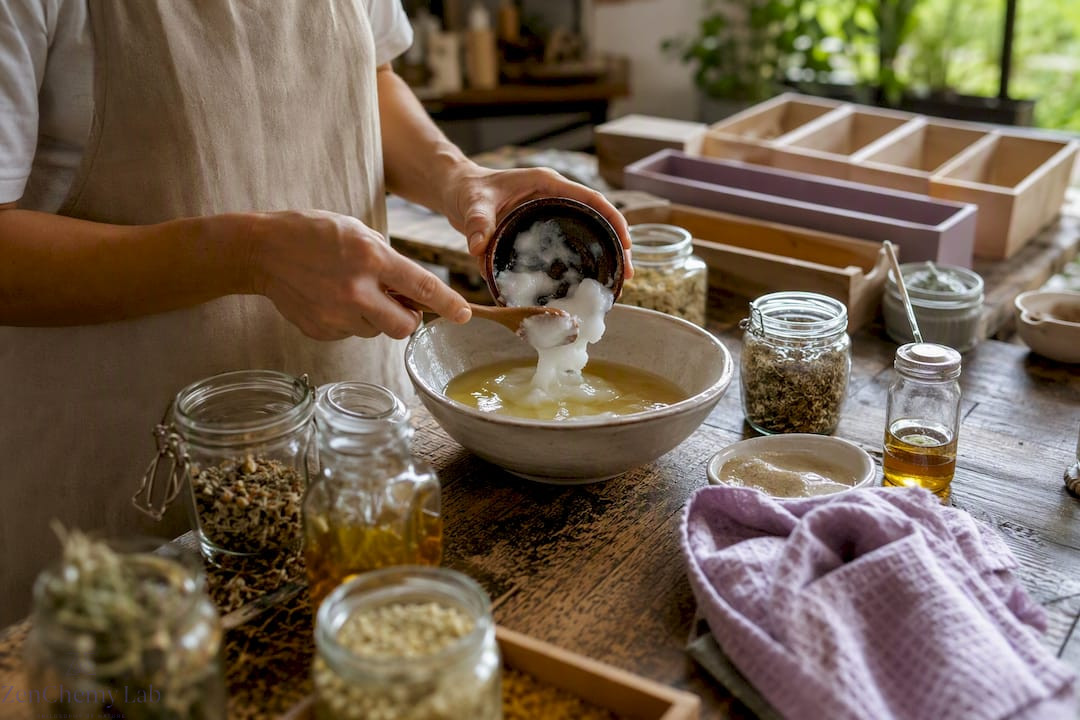
Coconut oil soap can dry your skin because its fatty acids saponify into an unusually efficient cleanser, one that strips oil so thoroughly it can leave your skin feeling tight. The good news: this is fixable at the recipe level, not something you have to live with. Three moves solve most of it.
- Keep coconut oil between 15–30% of your total oils for a skin bar, or superfat around 20% if you’re using it alone.
- Add conditioning oils (olive, shea, avocado) to balance coconut’s high-cleansing profile.
- Give the bar a full cure. Rushed bars feel harsher than properly aged ones.
Quick stat: practitioners commonly build 100% coconut oil recipes with a 20% superfat specifically to keep the finished bar mild. If a bar you own or made feels stripping, check the label or your recipe sheet for superfat percentage and oil breakdown before you blame coconut oil itself.
Key takeaways
The most reliable way to prevent coconut oil soap drying is combining a moderate coconut percentage, adequate superfat, and a full cure, since each addresses a different part of the same problem.
| Point | Details |
|---|---|
| Coconut percentage matters most | Keep coconut oil to 15–30% of total oils in skin bars, with 20–25% as a common target. |
| Superfat compensates for high coconut | Single-oil coconut recipes typically use a 20% superfat to stay mild. |
| Cure time changes mildness | Extended curing lets coconut-heavy bars finish saponifying and lose excess water, softening the cleansing effect. |
| Rule out habits before reformulating | Hot showers and frequent washing can mimic product-caused dryness. |
| Zenchemylab formulates transparently | Its bars state superfat and oil breakdown, and blend coconut oil with conditioning oils rather than using it alone. |
Table of Contents
- How coconut oil behaves in soap drying (the practical chemistry)
- How much coconut oil should you use in a recipe?
- Which oils fix a drying coconut oil formula?
- Does cure time actually change how drying soap feels?
- Will a coconut oil bar dry out your specific skin?
- What ZenChemy Lab recommends when buying or formulating
- What the evidence actually supports, and where common advice falls short
- Ready to skip the trial-and-error batches?
- Sources
How coconut oil behaves in soap drying (the practical chemistry)
Coconut oil is rich in lauric and myristic acids, two fatty acids that saponify into sodium cocoate, a soap molecule known for aggressive cleansing and thick, fluffy lather. That’s exactly why coconut oil shows up in nearly every commercial bar soap. It cuts through oil and grime with remarkable efficiency. The catch is that “efficient cleansing” and “gentle to skin” are not the same property.
Cleansing means removing oils, dirt, and surface residue. Stripping means removing enough of your skin’s own protective lipid layer that your barrier can’t hold moisture properly, which shows up as tightness, flaking, or that squeaky feeling right out of the shower. Coconut oil soap, saponified at a low superfat with no conditioning oils, tends to blur that line.
Here’s what many people miss: handmade soap and commercial bar soap are not the same chemistry, even when both contain coconut oil.
- Handmade cold-process soap retains glycerin, a natural byproduct of saponification and a humectant that draws moisture to skin.
- Commercial bars often are processed to remove glycerin for sale as a separate cosmetic ingredient, leaving less humectant in the bar itself.
- That difference alone explains why two “coconut oil soaps” can feel completely different on your skin.
Pro Tip: If a coconut-heavy commercial bar has always felt drying to you, try a handmade version before assuming coconut oil is the problem. The retained glycerin often changes the experience entirely.
How much coconut oil should you use in a recipe?
Formulating around coconut oil is a percentage game, and the numbers are well established among soapmakers.
- For a general skin bar, keep coconut oil to 15–30% of total oils. Most experienced formulators land on 20–25% as a sweet spot, since it gives you hardness and lather without overpowering the bar’s conditioning oils, a range supported by Soaply’s formulation guidance.
- For high-cleansing or laundry bars, where stripping power is the point rather than the problem, coconut oil percentages climb much higher, sometimes to 100%, because skin feel isn’t the priority.
- For single-oil, 100% coconut recipes meant for skin, superfat has to do all the conditioning work. A 20% superfat leaves enough unsaponified oil behind to keep the bar wearable, a trade-off documented in cold-process coconut soap recipes.
A typical balanced recipe (coconut oil blended with other oils) runs a standard superfat percentage common across most cold-process formulas. Push superfat higher and you gain conditioning, but you also increase the proportion of free, unreacted oil sitting in the bar. That oil can eventually oxidize into rancid spots, sometimes called DOS or “dreaded orange spots,” particularly with less stable oils. Higher superfat isn’t free. It’s a trade between softness on skin and shelf stability.
Which oils fix a drying coconut oil formula?
Coconut oil doesn’t need to be avoided. It needs company. Pairing it with the right conditioning oils rebalances the bar without losing coconut’s lather and hardness.
- Olive oil contributes conditioning and mildness, though it softens the bar and slows trace, so it works best as a moderate percentage alongside coconut rather than a full swap.
- Shea butter adds richness and a creamy lather, and layers in fatty compounds that support skin barrier feel without making the bar mushy.
- Avocado oil brings light conditioning with minimal drag on hardness, a good pick if you want coconut’s lather without sacrificing bar firmness.
Beyond oil selection, a few smaller tweaks matter more than people expect. Swapping plain water for coconut milk in your lye solution adds extra fat and a touch of sugar that boosts lather and creaminess. A small percentage of added glycerin, on top of what saponification already produces, can push humectant properties further, especially useful in dry climates or winter months. If you’re building a salt bar, remember that salt bars intentionally use very high superfat because salt itself hardens the bar dramatically, so the usual superfat math doesn’t apply the same way.
One more caution: fragrance oils and essential oils, not coconut oil, are often the real culprit behind reactive or irritated skin. If a bar feels drying and itchy, check the ingredient list for skin-friendly additions before reformulating the oil ratio.
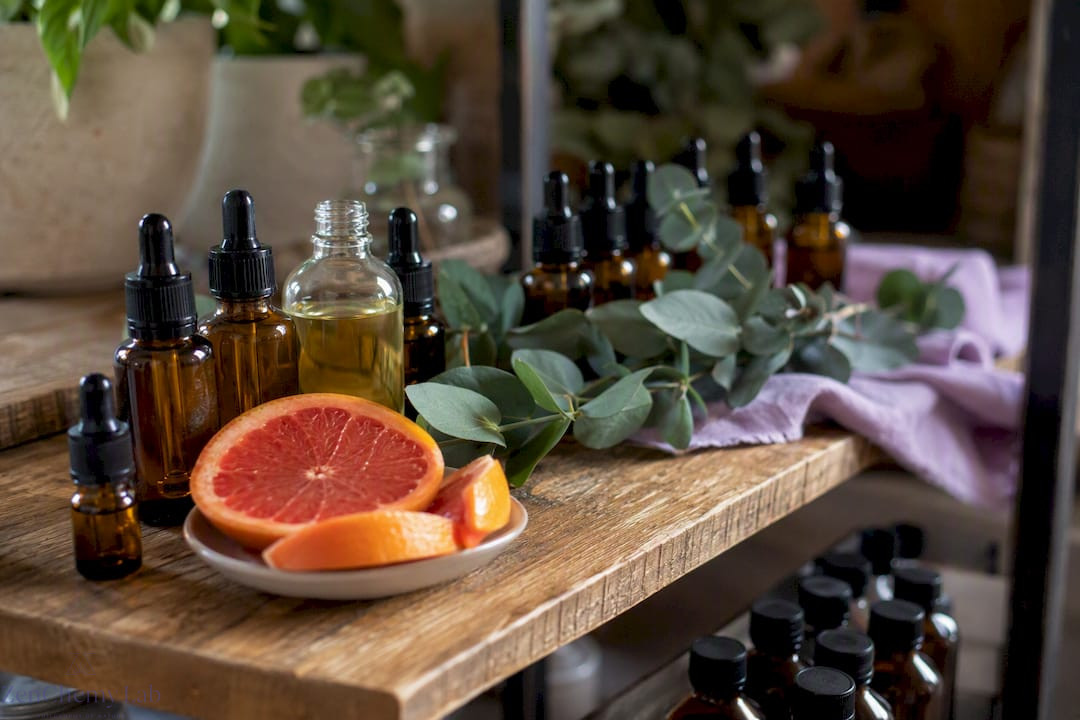
Coconut oil’s hardness and lather contribute structurally, so pulling too much out at once can leave you with a soft, low-lather bar that solves dryness but creates a new problem.*
Does cure time actually change how drying soap feels?
Yes, and coconut-heavy recipes need it more than most. Coconut oil traces fast, sometimes hardening within hours rather than the days some other recipes allow, which changes how you should handle the batch from the moment you add lye.
- Stir by hand, or pulse an immersion blender briefly. Full-power blending on a coconut-heavy batch can seize the soap into an unworkable mass before it even hits the mould, a handling issue documented across coconut oil soapmaking guides.
- Plan to cut within 6 to 12 hours. Single-oil coconut soap sets up hard fast, and waiting too long makes clean cuts difficult.
- Cure longer than you think you need to. Extended cure periods, beyond the standard four to six weeks many recipes call for, let single-oil coconut bars finish saponifying fully and let excess water evaporate, both of which soften the initial cleansing punch.
A bar sold or used too fresh will almost always feel harsher than the identical recipe cured properly. If you’re comparing two bars and one feels drying, ask about cure time before you touch the formula.
Will a coconut oil bar dry out your specific skin?
Skin response to coconut oil soap varies a lot from person to person, and that variability is well documented across soapmaking community threads, where some users tolerate high-coconut bars fine while others with dry or reactive skin need lower percentages or higher superfat.
Before reformulating anything, test the behavioural variables. Hot water and long showers strip natural oils regardless of soap, and switching to shorter, cooler showers is a common fix people overlook.
- Cut a small test batch (100 to 200 grams) rather than committing to a full recipe.
- Use it for a full week of normal washing before judging the result.
- Moisturize immediately after showering, while skin is still damp, and note whether the sensation changes.
Pro Tip: If lowering shower temperature and moisturizing while damp doesn’t fix it after a week, the recipe is likely the issue, not your habits. That’s your signal to adjust coconut percentage or superfat.
What ZenChemy Lab recommends when buying or formulating
Zenchemylab builds every bar around transparent formulation. Labels state superfat percentage and full oil breakdown, so you’re never guessing whether a bar leans toward high-cleansing or high-conditioning.
- Coconut oil gets balanced against conditioning partners in every recipe, never left to dominate on its own.
- Lines like our coffee and activated charcoal soaps show how detox-style ingredients can pair with a mild base without sacrificing skin feel.
- Retained glycerin from cold-process saponification stays in the bar, supporting the humectant effect that stripped commercial bars lack.
When shopping for any coconut-based bar, look for stated superfat and a listed cure time. Both numbers tell you more about how the bar will feel than the ingredient list alone.
What the evidence actually supports, and where common advice falls short
Most articles on coconut oil soap treat “drying” as a fixed property of the ingredient, something you either accept or avoid entirely. That framing doesn’t hold up against the recipe data. Coconut oil at 20% superfat in a single-oil bar and coconut oil at 5% superfat in an unbalanced blend are functionally different products, even though both get called “coconut oil soap.”

The conventional advice to just “use less coconut oil” also oversimplifies things. Percentage matters, but so does what you replace it with, and so does how long you let the bar cure. A 25% coconut bar cured for two weeks can feel harsher than a 100% coconut bar cured for eight, which surprises people who assume percentage alone drives the outcome.
If you’re troubleshooting a bar right now, prioritize in this order: check the cure time first, since it costs nothing to wait; check the oil blend second; and only then start adjusting habits like shower temperature. Skin variability is real, but it’s usually the last variable to blame, not the first.
— Alex
Ready to skip the trial-and-error batches?
If you’d rather not run test batches and track cure calendars yourself, Zenchemylab already does that formulation work for you, with every bar built around a stated superfat and a balanced oil blend rather than coconut oil alone. That’s the practical advantage over building from scratch: you get the lather and cleansing power coconut oil is known for, paired with conditioning oils and retained glycerin, without the weeks of testing this article just walked you through.

Browse the natural skin soap collection to see superfat percentages and oil breakdowns listed on every product page, then pick a bar formulated for your skin type rather than adjusting your shower habits around one that isn’t.
Sources
- Defying the Rules of Soapmaking (100% Coconut Oil Soap)
- Coconut oil for soap making: How much to use and why | Soaply Blog
- 100% Coconut Oil soap – drying? | Soapmaking Forum
- How to Make Pure 100% Coconut Oil Soap (Cold-Process Recipe)