
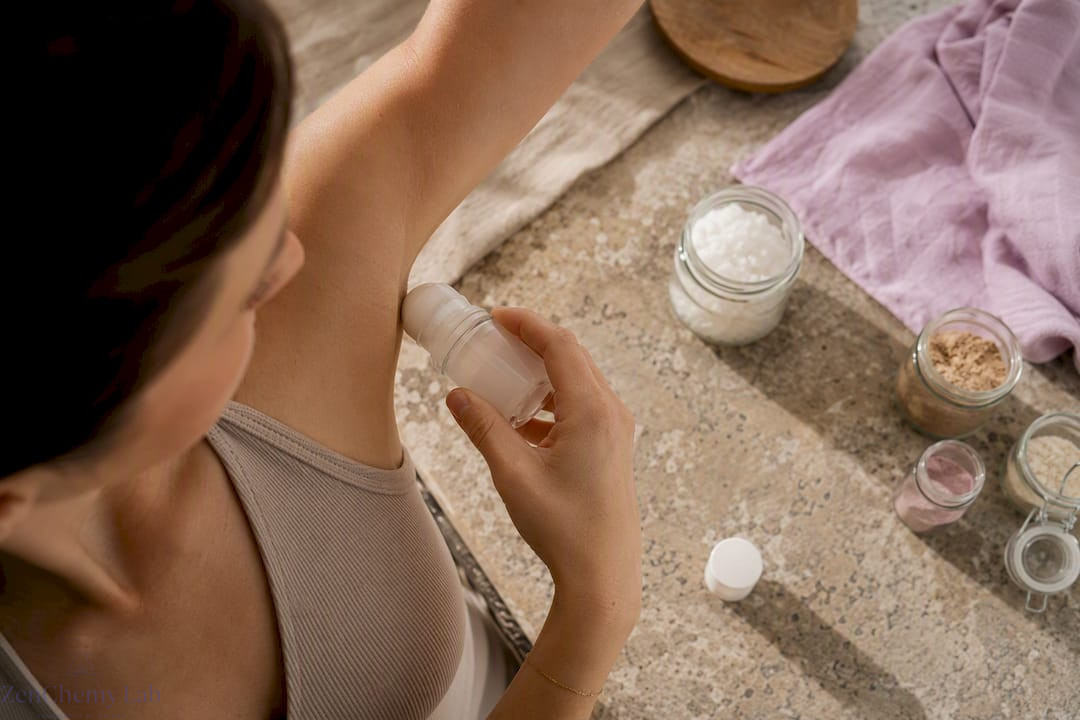
Magnesium deodorant neutralizes underarm odour while letting you sweat naturally, and it’s usually gentler on sensitive skin than baking-soda formulas. It will not stop perspiration. That’s a deodorant’s job, not an antiperspirant’s.
Here’s the short version of what you’re getting:
- Odour control through pH change rather than pore-blocking
- Gentleness, especially for skin that reacts to baking soda or fragrance
- pH support for a more balanced underarm environment
Most people need some time to adjust as their skin recalibrates after switching from an antiperspirant. Do a patch test first, especially if you have sensitive or reactive skin. The rest of this guide walks through why it works, what to expect, and how to switch without regretting it by day three.
Key takeaways
Magnesium deodorant controls odour through a gentle pH shift rather than blocking sweat, and its slower solubility makes it a better fit for sensitive skin than baking-soda alternatives.
| Point | Details |
|---|---|
| Deodorant, not antiperspirant | Magnesium formulas neutralize odour but do not reduce sweat output. |
| Gentler than baking soda | Slower solubility means fewer sharp pH spikes and less irritation for sensitive skin. |
| Expect a one to two week adjustment | Your skin’s microbiome rebalances after switching from antiperspirant; mild odour or sweat changes are normal. |
| Patch test before full use | Test on your inner arm for 24 to 48 hours and watch for redness or itching. |
| ZenChemy Lab offers a Canadian-made option | Its aluminum-free deodorant and magnesium oil spray are formulated for sensitive, aluminum-free care. |
Table of Contents
- Magnesium deodorant benefits worth knowing about
- How magnesium deodorant works, step by step
- Common myths about magnesium deodorant, debunked
- Side effects, risks, and when to stop using it
- How to switch to magnesium deodorant without the awkward phase
- ZenChemy Lab: formulated and made where you can verify it
- Does magnesium deodorant hold up over the long term?
- A practitioner’s take on who actually needs this
- Try a gentler underarm routine with ZenChemy Lab
- Sources
Magnesium deodorant benefits worth knowing about
The appeal isn’t just “natural.” It’s what magnesium actually does on skin that makes it worth the switch for a lot of people.
- Odour neutralization that doesn’t rely on masking scent. Magnesium compounds shift the surface pH of your underarm skin to a range that odour-causing bacteria don’t thrive in. You’re not covering smell with fragrance; you’re changing the conditions that produce it in the first place.
- Gentleness for sensitive or freshly shaved skin. Because magnesium hydroxide dissolves more slowly in sweat than baking soda does, it doesn’t create the same sharp, localized pH spikes that trigger redness and stinging on compromised or freshly shaved skin.
- A more balanced underarm microbiome. A peer-reviewed review of underarm microbiome research documents how deodorant actives, including magnesium-based ones, influence bacterial populations and pH without wiping out the skin’s natural microbial balance the way some antiperspirants can.
- Fewer of the classic baking-soda complaints. Yellow pit stains, angry red rashes, and that “my skin is on fire” feeling are common baking-soda side effects. Magnesium formulas generally sidestep this because the compound is less alkaline-reactive on contact.
- Simpler, shorter ingredient lists. Magnesium deodorant vs aluminum deodorant isn’t just a chemistry debate. It’s also about what else rides along in the formula. Aluminum-free formulas built around magnesium hydroxide or magnesium chloride tend to skip the synthetic antimicrobials and heavy fragrance loads that crowd conventional sticks.
Pro Tip: If baking-soda deodorant has ever left you with red, itchy pits, look specifically for a magnesium hydroxide or magnesium chloride formula rather than one that blends the two systems. Combination formulas can carry over the same irritation risk you’re trying to escape.
How magnesium deodorant works, step by step
The mechanism is simpler than most skincare chemistry, which is part of the appeal. Magnesium hydroxide and magnesium chloride both raise the surface pH of your underarm skin slightly. Odour-producing bacteria prefer a more acidic, moist environment, so a less hospitable pH slows their activity without killing off your skin’s broader microbial community.
That slower solubility matters more than most labels admit. Baking soda (sodium bicarbonate) dissolves fast in sweat and can spike local pH sharply, which is exactly what triggers the burning and redness that pushes so many people back to conventional antiperspirant. Magnesium compounds dissolve more gradually, producing a steadier, milder pH shift.
Format changes the experience, too:
- Sprays absorb fast and layer well under clothing, but need more frequent reapplication
- Sticks last longer on skin but can feel tacky if the excipient blend leans heavy on oils or waxes
- Oils (like magnesium chloride sprays) double as a skin-conditioning step, not just an odour control step
None of this touches your sweat glands. That’s the regulatory line the National Cancer Institute draws between the two categories: antiperspirants are classified as drugs in some jurisdictions because they physically reduce perspiration, while deodorants, magnesium-based or otherwise, work on odour without touching sweat output at all.
Common myths about magnesium deodorant, debunked
A few claims keep circulating, and most of them fall apart under a closer look.
- “They don’t work.” This usually means someone used a low-concentration formula, applied it once and expected antiperspirant-level results, or never gave their skin the adjustment window it needed.
- “They irritate skin more than regular deodorant.” The opposite tends to be true when you compare magnesium to baking soda specifically. Slower solubility means fewer pH spikes, which is why ingredient-safety resources generally favour magnesium hydroxide over harsher alternatives for topical use.
- “They stop sweating.” No deodorant does. That’s what an antiperspirant is for, and confusing the two sets you up for disappointment by lunchtime.
- “Topical magnesium absorbs into your bloodstream at meaningful levels.” Topical use is a localized, low-dose exposure. It’s not comparable to oral magnesium supplementation, and treating it that way overstates what a deodorant is doing.
Side effects, risks, and when to stop using it
Most people tolerate magnesium deodorant well, but it’s not risk-free for everyone. Possible reactions include mild contact dermatitis, temporary redness, or sensitization to a specific formula’s fragrance or carrier oils.
- Patch-test on your inner arm for 24 to 48 hours before applying to underarms
- Discontinue immediately if you see spreading redness, itching that worsens, or blistering
- Avoid applying to broken skin, right after shaving, or over active eczema flares
- If you’re pregnant or considering products for a child, talk to a clinician before switching routines
- People with significant kidney impairment should ask a doctor before regular topical magnesium use, even though kidney health guidance notes topical cosmetic exposure is generally low risk compared to systemic supplementation
Pro Tip: Irritation from a new deodorant often shows up on day three or four, not day one, because that’s when the underarm microbiome is actively rebalancing. Don’t judge a formula too early, but don’t ignore real spreading redness either.
How to switch to magnesium deodorant without the awkward phase
Switching cold turkey from antiperspirant to a magnesium formula is where most people give up too soon. A short plan makes it easier.
- Week one: expect a transition. Your skin’s microbiome and sweat glands are adjusting after months or years of pore-blocking antiperspirant use. Some extra sweat or odour in the first week is normal, not a sign the product has failed, and detailed switching guidance can help you track what’s typical.
- Apply to clean, completely dry skin, ideally right after a shower. Damp skin dilutes sprays and stops sticks from gliding on evenly.
- Reapply midday if needed, especially during the adjustment window or on high-activity days.
- Layer smart if you’re still detoxing. A light dusting of arrowroot powder under a magnesium spray can help manage extra moisture during week one without reintroducing aluminum.
- Let clothes air-dry between wears rather than tossing them straight in a hamper. This cuts down on the buildup that causes staining and odour retention over time.
ZenChemy Lab: formulated and made where you can verify it
Zenchemylab formulates and produces its aluminum-free deodorant and magnesium oil spray in Canada, so you’re not guessing where the product comes from or who’s accountable for what’s in it.
- Both formulas are built for sensitive, aluminum-free care rather than as antiperspirant substitutes
- The brand’s deodorant detox guide walks through the switching timeline in more depth
- Ingredient-level detail on the magnesium chloride used across the line is available for readers who want to dig further
Does magnesium deodorant hold up over the long term?
Short-term relief from odour is one thing. Whether magnesium deodorant keeps working after months of use is the more useful question for anyone actually considering the switch.

The evidence points toward stability rather than diminishing returns. The PMC review on underarm microbiome effects found that once the skin’s bacterial population settles into a new equilibrium after switching deodorant types, that balance tends to persist rather than drift back toward its old baseline. This matters because some users worry their skin will “get used to” a formula and stop responding. What actually happens is closer to the opposite: the pH-based mechanism doesn’t rely on building tolerance or resistance the way antimicrobial actives sometimes do.

Regulatory shifts reinforce why this matters for ingredient choice. Older antimicrobial actives like triclosan faced reassessment and eventual phase-out after safety reviews raised concerns about long-term use. Magnesium hydroxide hasn’t faced comparable scrutiny, and it works through a physical pH mechanism rather than an antimicrobial-kill mechanism, which is a meaningfully different long-term safety profile.
The practical takeaway: if a magnesium formula works for you in week three, there’s no strong evidence it will stop working in month six. Formulation quality, specifically particle size and excipient choice, has more influence on long-term performance than time itself does.
A practitioner’s take on who actually needs this
I recommend magnesium deodorant to anyone whose skin reacts to baking soda or synthetic fragrance, and to anyone who wants odour control without pore-blocking chemistry. If you need serious wetness control for medical hyperhidrosis, an antiperspirant is still the right tool, and no natural formula will replace that. Patch test regardless, and check with a dermatologist if you’re managing a chronic skin condition.
Try a gentler underarm routine with ZenChemy Lab
If baking soda has left your underarms raw or you’re simply done with aluminum, Zenchemylab’s aluminum-free deodorant is formulated and produced in Canada specifically for sensitive skin, using magnesium hydroxide instead of the sharper alkaline swings that come with sodium bicarbonate.

Pair it with the magnesium oil spray for a lighter, layerable option on high-activity days, or browse the full natural skin range to build out a routine around ingredients you can actually pronounce. Start with a patch test on your inner arm this week, then give the stick or spray its full one-to-two-week adjustment window before deciding whether it’s earned a permanent spot in your bathroom cabinet.
Sources
- Review on underarm microbiome and deodorant impacts (PMC)
- Antiperspirants and cancer myths (National Cancer Institute)
- Triclosan reregistration and safety information (EPA archive)
- EWG Skin Deep (ingredient profiles)


1 Comments