
TL;DR:
- Choosing raw ingredients in artisanal skincare preserves nutrients and delivers authentic purity.
- Their minimal processing enhances product effectiveness and reduces environmental impact.
Why raw ingredients are the foundation of artisanal skincare
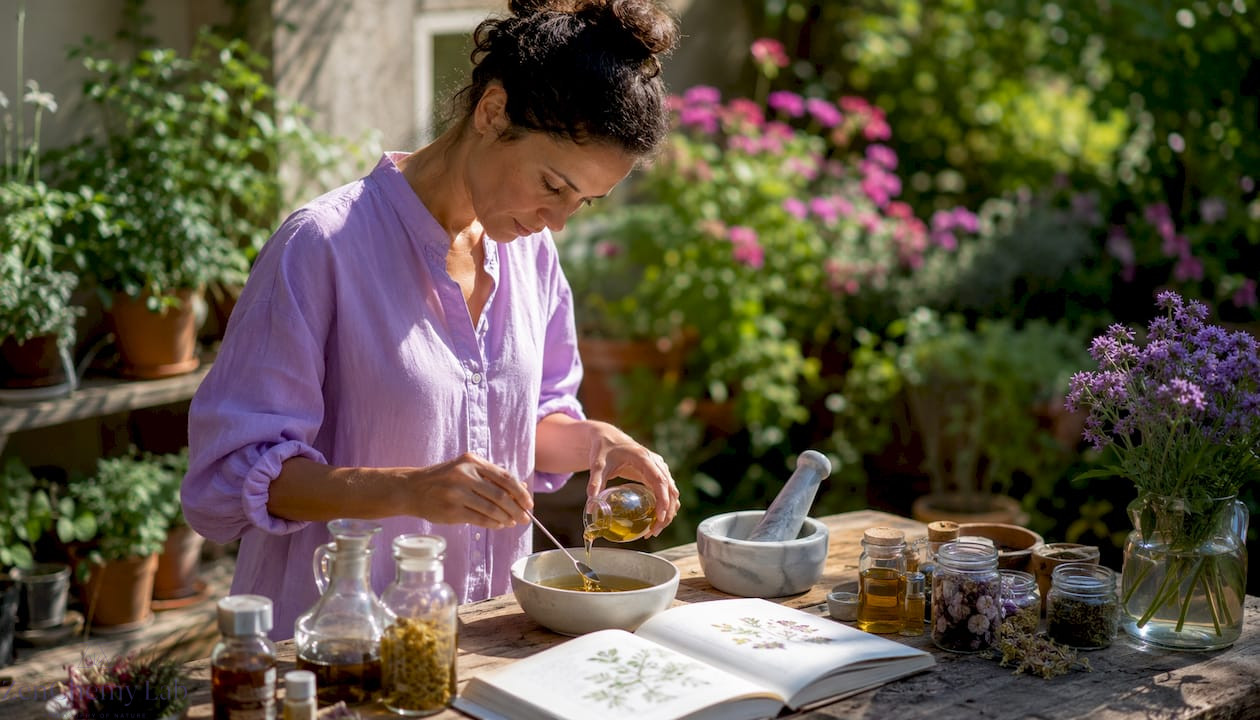
The most effective artisanal skincare products start with one decision: choosing raw ingredients over processed alternatives. That single choice determines purity, potency, and the sensory experience your skin actually feels. Here is what raw ingredients deliver that refined, industrially processed materials simply cannot:
- ✅ Preserved bioactive compounds — fruits, vegetables, nuts, and seeds in their raw state retain vitamins, antioxidants, and lipids that processing degrades or destroys entirely.
- ✅ Full artisan control — working with unrefined materials means no synthetic additives, no masking agents, and no compromises on what goes onto your skin.
- ✅ Superior sensory qualities — natural aroma, viscosity, and texture come directly from the ingredient itself, not from fragrance blends or thickeners added later.
- ✅ Authentic purity — raw materials reflect the plant or botanical source honestly, without industrial shortcuts.
At Zenchemylab, every formulation begins with this principle: the ingredient you start with determines everything that follows.
Table of Contents
- What are the real benefits of using raw ingredients in skincare?
- Common misconceptions about raw ingredients and ingredient lists
- How does sourcing quality actually affect your skincare results?
- How raw ingredients shape texture and sensory experience
- Are raw ingredients better for the environment?
- What are the risks of using raw ingredients in skincare?
- Raw ingredients vs. synthetic alternatives: which performs better?
- Zenchemylab brings raw ingredient expertise to your skincare routine
- Key takeaways
What are the real benefits of using raw ingredients in skincare?
Raw ingredients bring a concentration of naturally occurring nutrients that refined alternatives cannot replicate. Unprocessed plant foods are rich in vitamins, antioxidants, and fibre, and those same properties translate directly into skincare when the materials are handled with care. Antioxidants protect skin cells from oxidative stress. Vitamins like C and E support collagen synthesis and barrier repair.
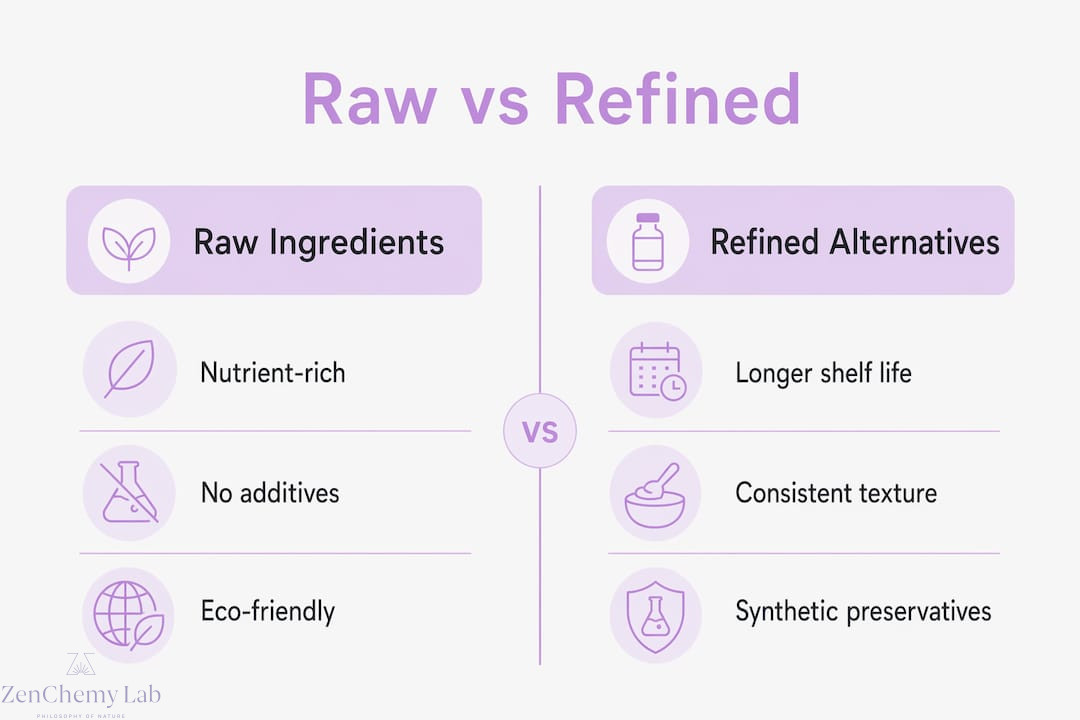
Choosing raw also means rejecting the industrial additives common in mass-market beauty. Switching to raw materials is about reclaiming quality control from convenience-driven formulations that rely on additives to mask inferior base ingredients. That matters especially for people with sensitive skin or those trying to avoid synthetic preservatives.
From an environmental standpoint, raw plant-based ingredients tend to require less packaging and generate less processing waste. Raw foods often have minimal packaging, and the same logic applies to raw skincare materials sourced thoughtfully from local or regional suppliers.
Key benefits at a glance:
- High antioxidant and vitamin content for genuine skin nourishment
- No synthetic preservatives or industrial masking agents
- Reduced packaging and processing waste
- Traceable sourcing and ingredient transparency
- Richer, more authentic product performance
Pro Tip: Store raw oils and butters in dark glass containers away from heat and light. Oxidation is the primary enemy of raw ingredient potency, and even a few weeks of improper storage can degrade the fatty acid profile you paid for.
Common misconceptions about raw ingredients and ingredient lists
A short ingredient list does not guarantee quality. Experts warn that list length tells you almost nothing about the state or integrity of the raw materials used. A product with three ingredients can still use heavily refined, nutrient-stripped versions of each one.
The word “raw” on a label is equally unreliable on its own. Dietitian Maxine Smith notes that certain antioxidants and vitamins actually become more bioavailable after gentle processing, not less. Skilled artisans understand this nuance. The goal is not raw for its own sake but minimal, purposeful processing that preserves what matters.
For a deeper look at how marketing language can obscure real ingredient quality, Zenchemylab’s guide on clean beauty myths is worth reading alongside this.
Misconceptions to watch for:
- ❌ “Short ingredient list = high quality raw materials” — list length reflects processing level, not ingredient state
- ❌ “‘Raw’ label = automatically superior” — sourcing integrity and handling matter far more than the label
- ❌ “All processing destroys nutrients” — gentle, low-heat methods can improve bioavailability for specific compounds
- ❌ “More natural ingredients = safer for all skin types” — even raw botanicals can cause reactions in sensitive individuals
How does sourcing quality actually affect your skincare results?
The difference between a cold-pressed, unrefined oil and a solvent-extracted version of the same plant is not subtle. Cold-pressed extraction preserves delicate fatty acid profiles and antioxidant content that chemical extraction degrades. For skin, those fatty acids are what support the lipid barrier, reduce transepidermal water loss (TEWL), and deliver lasting moisture.
Raw ingredients also demand careful handling after sourcing. Artisans must keep raw oils in cool, dark environments to prevent oxidation and microbial growth. Without synthetic preservatives, the storage conditions become part of the quality assurance process.
Zenchemylab applies strict sourcing criteria to every ingredient it works with, prioritizing minimally processed, stable raw materials from traceable suppliers. For guidance on evaluating ingredient quality yourself, the Zenchemylab resource on selecting pure skincare ingredients covers the key criteria in practical terms.
What to look for when sourcing raw materials:
- ✔ Cold-pressed or expeller-pressed oils over solvent-extracted versions
- ✔ Unrefined butters that retain their natural colour and scent
- ✔ Certificates of analysis (COA) from suppliers confirming purity
- ✔ Dark, airtight packaging to indicate proper storage from the source
- ✔ Minimal processing steps between harvest and delivery
How raw ingredients shape texture and sensory experience
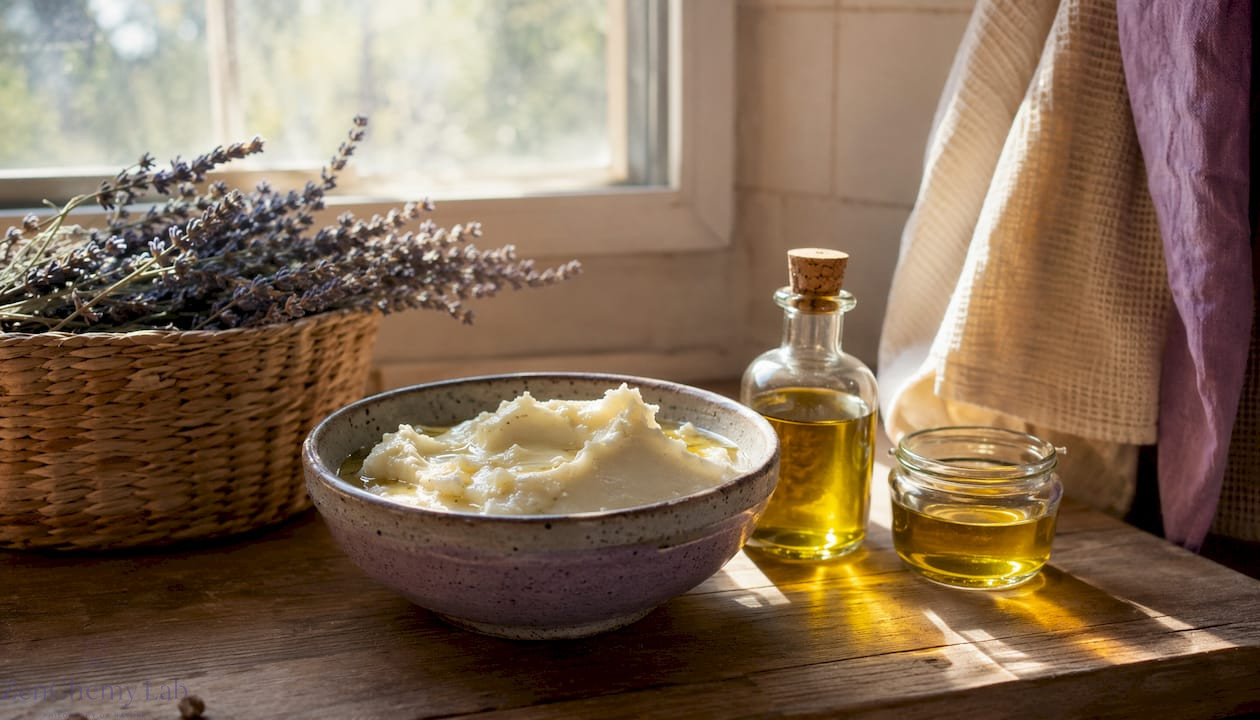
Raw materials give artisanal body care products a sensory richness that processed ingredients simply cannot reproduce. Using raw ingredients allows artisans to achieve superior viscosity, natural aroma, and tactile qualities that feel genuinely different on skin. Unrefined shea butter, for example, has a characteristic nutty scent and a slightly grainier texture that melts on contact with warmth. Refined shea is odourless and uniform, but something real has been removed.
The trade-off is shelf life. Without synthetic preservatives, raw formulations are more vulnerable to oxidation and microbial contamination. Artisans who work with raw materials accept this constraint and build it into their production cycles, making smaller batches more frequently.
Pro Tip: Apply raw oil-based products to slightly damp skin immediately after bathing. The oil locks in surface moisture far more effectively than it does on completely dry skin, and you will use less product overall.
Sensory advantages of raw ingredients:
- Natural botanical aromas that synthetic fragrance cannot authentically replicate
- Varied textures that respond to body heat in ways refined ingredients do not
- Richer colour from retained plant pigments like beta-carotene in rosehip oil
- A tactile quality that signals ingredient integrity to the skin and the senses
Are raw ingredients better for the environment?
Raw, minimally processed ingredients carry a lighter environmental footprint than their industrially refined counterparts. Processing plants consume energy, generate chemical waste, and often require synthetic solvents that must be disposed of carefully. Choosing cold-pressed or unrefined materials sidesteps most of that impact.
Locally or regionally sourced raw botanicals reduce transport emissions further. Plant-based ingredients use less energy, land, and water than animal-derived alternatives, and raw plant materials that arrive with minimal packaging reduce landfill contribution at the consumer end too. For artisanal makers, the sustainability case for raw ingredients is practical, not just philosophical. Smaller batch production, traceable sourcing, and compostable or reusable packaging all become natural extensions of the raw ingredient commitment. Organic beauty alternatives, as explored in resources like this overview from Vitaclean, reinforce how ingredient purity and environmental responsibility tend to go hand in hand.
What are the risks of using raw ingredients in skincare?
Raw ingredients are not without challenges, and understanding them helps you make better choices. The absence of synthetic preservatives means raw formulations have a shorter usable life. Oxidised oils can irritate skin rather than nourish it, and microbial contamination in water-containing formulations is a genuine safety concern.
Some raw botanicals also carry allergen potential. Essential oils, nut-derived butters, and certain plant extracts can trigger reactions in sensitive individuals, regardless of how natural or pure the source is. Patch testing before full use is always worth doing.
Bioavailability is another consideration. As Maxine Smith notes, some nutrients increase in availability with mild heating. Skilled formulators balance raw and gently processed states rather than defaulting to raw across the board.
Raw ingredients vs. synthetic alternatives: which performs better?
Synthetic ingredients offer consistency, longer shelf life, and precise, reproducible performance. That predictability is genuinely useful in large-scale manufacturing. Raw ingredients offer something different: a complexity of naturally co-occurring compounds that work together in ways isolated synthetics do not replicate.
Unrefined rosehip oil, for instance, contains tocopherols, carotenoids, and essential fatty acids in a naturally balanced ratio. A synthetic vitamin A derivative delivers retinol in isolation, with no accompanying fatty acid matrix to support absorption. Neither is universally superior. The question is what your formulation needs and what your skin responses to.
Unrefined plant raw materials retain an inherent chemical, physical, and nutritional complexity that purified raw materials lose. For artisanal skincare, that complexity is the point. The benefits of artisanal skincare come precisely from preserving that natural integrity rather than engineering around it.
Zenchemylab brings raw ingredient expertise to your skincare routine
Zenchemylab was built on one conviction: that the quality of what goes into a product determines everything you feel on your skin. Every bar of handmade soap, every botanical body cream, and every artisanal formulation starts with raw, traceable ingredients selected for their potency and purity, not their convenience.

If you have been reading about raw ingredients and wondering what that actually looks like in a finished product, Zenchemylab’s natural beauty tips for 2026 is the clearest place to start. You will find science-backed guidance alongside products that put these principles into practice. Browse the full body care collection to find formulations made the way this article describes: raw, purposeful, and crafted with care.
Key takeaways
Raw ingredients preserve the bioactive complexity that refined alternatives lose, and that difference shows up directly in how artisanal skincare products perform on skin.
| Point | Details |
|---|---|
| Nutrient retention | Raw plant ingredients retain vitamins, antioxidants, and lipids that processing degrades or destroys. |
| Sourcing integrity matters most | Cold-pressed, unrefined oils preserve fatty acid profiles that solvent extraction cannot. |
| Labels can mislead | A short ingredient list or “raw” label does not confirm ingredient quality or state. |
| Storage is part of quality | Raw oils require cool, dark, airtight conditions to prevent oxidation and maintain potency. |
| Zenchemylab’s approach | Every Zenchemylab formulation starts with traceable raw ingredients selected for purity and minimal processing. |
1 Comments