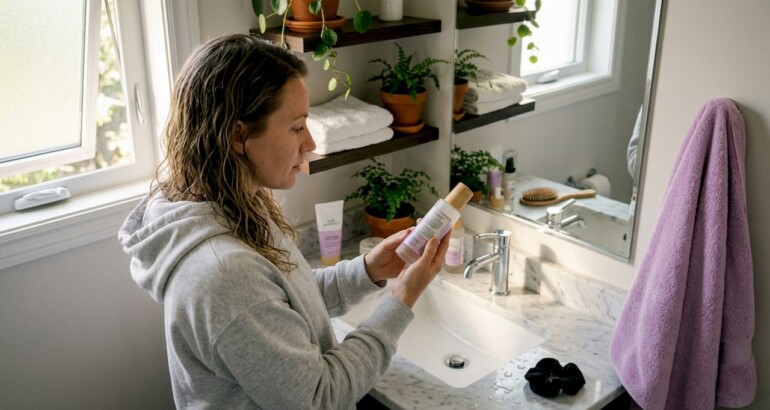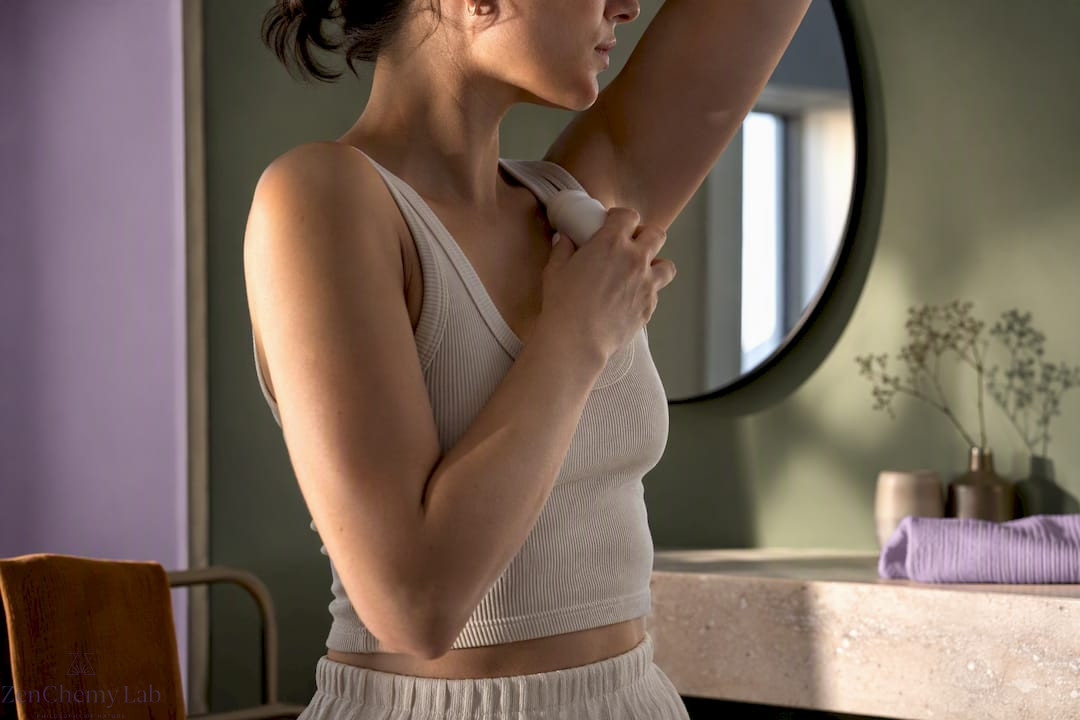
Antiperspirants reduce sweat by temporarily plugging your sweat ducts with aluminium salts. Deodorants leave sweat alone and instead fight the bacteria and scent that cause body odour. If you want dryness, reach for an antiperspirant; if odour is your main concern or you prefer to avoid aluminium, a deodorant fits better, and either choice is considered safe for daily use.
TL;DR:
- Antiperspirants use aluminium salts to block sweat ducts, significantly reducing moisture and bacterial food sources, especially in high-heat conditions.
- Deodorants primarily target bacteria or mask odour with fragrances, allowing normal sweating but controlling body odour.
- Most concerns about aluminium’s link to cancer are based on outdated studies; larger reviews show no convincing evidence of harm.
- Stronger sweat control from clinical-strength antiperspirants is recommended during heavy activity and is best applied at night on dry, unshaved skin.
- Natural, aluminium-free deodorants effectively control odour but do not reduce sweating, requiring an adjustment period and frequent cleaning.
Table of Contents
- How antiperspirants work
- How deodorants work
- What’s the real difference between antiperspirant and deodorant?
- How do you choose between an antiperspirant and a deodorant?
- When and how should you apply antiperspirant or deodorant?
- What can you expect from natural, aluminium-free alternatives?
- Why Zenchemylab bets on ingredient-forward deodorant
- Try a natural deodorant made for sensitive skin
- Sources
How antiperspirants work
Antiperspirants rely on aluminium salts that form temporary plugs in your sweat ducts, which physically slow the flow of sweat reaching your skin’s surface. Less moisture on the skin means less food for the bacteria that thrive in warm, damp underarms, so odour drops as a side effect even though that was never the product’s main job.
In several countries, including the United States, antiperspirants are classified as over-the-counter drugs because they alter a body function. That’s worth knowing simply as context; it doesn’t mean you need a prescription for the ones sold at your local pharmacy.
You’ll find aluminium salts in sprays, sticks, roll-ons, and clinical-strength formulas with higher concentrations for people who sweat heavily. Clinical-strength versions work the same way as regular antiperspirants; they just pack more active ingredient into each application, which is why dermatologists often recommend applying them at night.
How deodorants work
Deodorants take a completely different approach. Instead of blocking sweat glands, they target the bacteria that break sweat down into odour, or they mask the smell with fragrance. Your body still perspires normally. What changes is what happens to that moisture once it hits the surface of your skin.

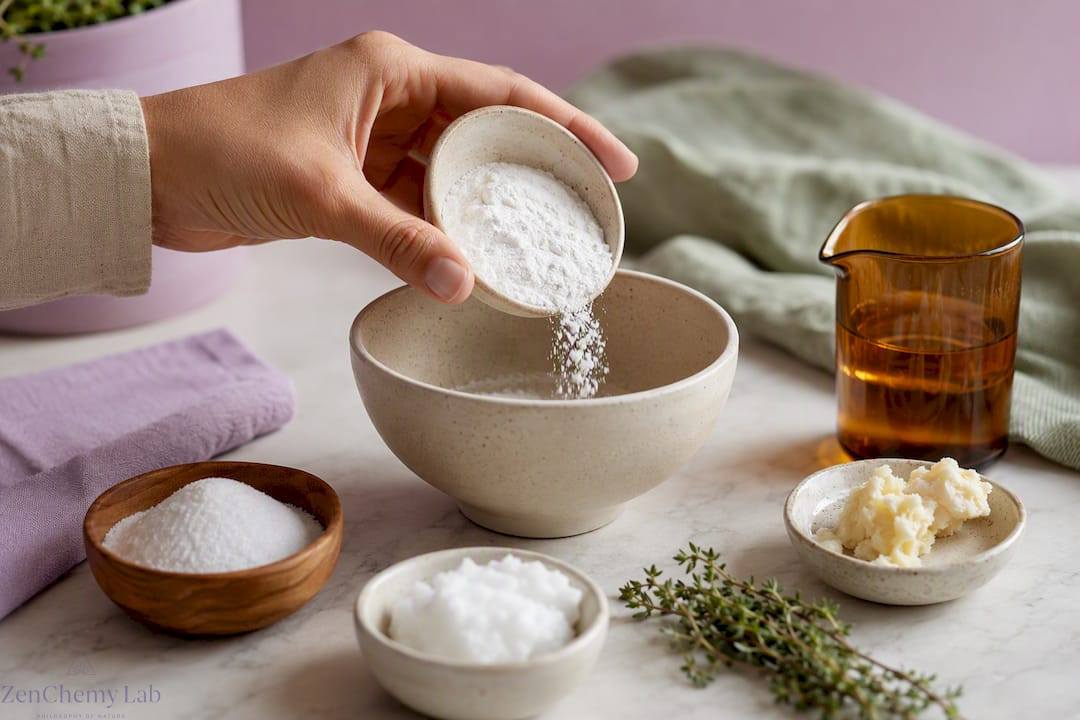
Typical actives include alcohol (which kills bacteria on contact), baking soda, magnesium compounds, and plant-based antimicrobials like tea tree or thyme extract. Because deodorants don’t need aluminium to function, formulators have more room to add skin-nourishing ingredients such as shea butter or coconut oil, which suits people with sensitive underarm skin. Coverage and longevity vary more by form than by ingredient list: a cream tends to sit on skin longer than a quick-drying spray, so climate and activity level matter when you’re picking a format.
What’s the real difference between antiperspirant and deodorant?
The functional gap comes down to one question: does the product stop sweat, or does it just deal with the smell? That single distinction drives almost every other trade-off between the two categories.
- Outcome: antiperspirants reduce wetness; deodorants manage odour without touching sweat volume.
- Skin risk: antiperspirants can irritate freshly shaved or broken skin; deodorants carry their own irritation risk from fragrance or baking soda.
- Fabric impact: aluminium residue is the main culprit behind yellow underarm stains; fragrance-heavy deodorants stain less but can still leave marks over time.
- Safety record: board-certified dermatologists say most aluminium concerns trace back to outdated or weak studies, and larger reviews from the American Cancer Society have found no convincing link between antiperspirant use and breast cancer. A small surgical study also failed to detect stained aluminium compounds inside excised sweat glands, reinforcing that the compounds don’t appear to penetrate deeper tissue.
You rarely need both products layered together. Plenty of antiperspirants already contain fragrance and odour-fighting ingredients, which makes them deodorants too, just with the added sweat-blocking effect on top.
How do you choose between an antiperspirant and a deodorant?
Start by naming your actual goal, because the products solve different problems and neither is objectively “better.” Dermatologists generally frame this as matching the product to the outcome you want, not choosing out of fear.
- Define your priority. Are you trying to stay dry, control smell, or avoid a specific ingredient like aluminium or synthetic fragrance?
- Check your skin sensitivity. If you react to fragrance, alcohol, or baking soda, look for aluminium-free formulas built with gentler, plant-based actives.
- Factor in activity and climate. Heavier sweating from exercise or hot weather usually calls for stronger sweat control, which points toward antiperspirant.
- Consider clothing and staining habits. If yellowing on light fabrics bothers you, an aluminium-free deodorant sidesteps that issue entirely.
- Watch for red flags. Redness, itching, or a rash after a few uses means the formula doesn’t suit your skin, regardless of category.
- Talk to a doctor if sweating is excessive. Hyperhidrosis often needs prescription-strength antiperspirants or in-office treatments beyond what a drugstore shelf offers.
Pro Tip: If you’re switching products to test sensitivity, give each one at least a week before judging it. Skin irritation from a new formula sometimes shows up on day three or four, not immediately.
When and how should you apply antiperspirant or deodorant?
Timing changes how well antiperspirant actually works, and a few small habits protect your skin and your wardrobe.
- Apply antiperspirant at night on clean, dry skin. Nighttime application lets the aluminium salts form their plugs undisturbed, since you sweat less while sleeping than during a busy day.
- Skip antiperspirant on freshly shaved or broken skin. Fragrance and aluminium salts are common irritants on compromised skin, and dermatitis is more likely when the skin barrier is already open.
- Leave antiperspirant and deodorant off entirely on the day of a mammogram. Canadian mammography guidance advises this because aluminium residue can create artefacts on the X-ray image, which can complicate the reading.
- Treat stains early. A quick rinse or a vinegar soak lifts fresh aluminium residue far more easily than a stain that’s set for weeks; our guide to removing deodorant stains walks through the specifics.
What can you expect from natural, aluminium-free alternatives?
Aluminium-free deodorants lean on actives like magnesium compounds, baking soda, and plant antimicrobials to keep odour in check. They’re genuinely effective at that job, but they don’t reduce how much you sweat, which is the trade-off worth understanding before you switch.
If you’re moving away from antiperspirant, expect a short adjustment period. Sweat glands that have been chemically capped for months can feel more active once that barrier is gone, and our deodorant detox guide covers practical steps like frequent washing and absorbent powders to ease the transition. Natural deodorants suit ingredient-conscious people and those with sensitive skin especially well. If dryness is non-negotiable for you, an antiperspirant remains the better fit, and there’s no reason to feel guilty about that choice.
Why Zenchemylab bets on ingredient-forward deodorant
We built our aluminium-free deodorant because plenty of people want real odour control without wondering what’s happening under a chemical plug for sixteen hours a day. That’s not a knock on antiperspirants. It’s a recognition that ingredient preference is a legitimate reason to choose differently, not a compromise. Our formulas draw on the same natural skincare philosophy behind our soaps and body balms: fewer synthetic fillers, more ingredients you can actually name.
— Alex
Try a natural deodorant made for sensitive skin
If you’ve decided odour control without aluminium is the right call for your skin, Zenchemylab’s natural deodorant is formulated and produced in Canada with skin-friendly, aluminium-free ingredients.

It’s built for people who read ingredient labels before they read marketing copy, and for anyone whose skin reacts to synthetic fragrance or harsh actives. If scent longevity matters to you, our partners at Alexandria have a solid guide to comparing fragrances that pairs well with picking a deodorant scent you’ll actually enjoy wearing. Browse the body care collection to see the full range, and add the natural deodorant to your routine today.
This article is general information, not a substitute for advice from a qualified doctor. Consult a qualified healthcare professional about your own circumstances before acting on anything here.
Sources
- Antiperspirant vs. Deodorant: What’s the difference? — Cleveland Clinic
- PubMed — study on aluminium chloride distribution in sweat glands
- Antiperspirants and breast cancer risk — American Cancer Society
- Aluminum in antiperspirant — Ohio State Health
- Aluminum-free deodorant vs antiperspirant — Scripps Health