
TL;DR:
- The concept of purity in skincare is complex, involving formulation quality, ingredient interactions, and packaging. Labels like “clean” or “sulfate-free” are often unregulated and can be misleading regarding true product safety and gentleness. Prioritizing low-sensitizing ingredients, proper packaging, and understanding ingredient science ensures skin health beyond marketing claims.
You see “pure,” “clean,” and “free-from” on nearly every skincare product now. Yet the role of purity in skincare is far more nuanced than any label suggests. These terms are largely unregulated, meaning a product can call itself “pure” without meeting any verified standard. If you have sensitive skin or are committed to a genuinely natural skincare routine, that gap between marketing language and formulation reality matters enormously. This guide unpacks what purity truly means, from ingredient science to packaging systems, so you can make decisions grounded in fact rather than front-of-pack copy.
Table of Contents
- Understanding purity claims in skincare
- The science behind purity: ingredients and skin reactions
- Maintaining skin barrier health: purity beyond ingredients
- The role of packaging and preservatives in purity
- Recognising and avoiding hidden contaminants: the case of PFAS
- Rethinking purity: beyond marketing to real skin health
- Explore pure natural skincare solutions with ZenChemy Lab
- Frequently asked questions
Understanding purity claims in skincare
Most people encounter the concept of purity through marketing language: “clean beauty,” “free-from,” “non-toxic.” These phrases feel meaningful, but they are not regulated by Health Canada or any international cosmetics authority. A brand can print “clean” on a bottle without disclosing its full preservative system, fragrance load, or pH.
What does this mean for you practically? Consider the “sulfate-free” claim. It tells you a specific class of surfactants (cleansing agents) is absent. But clean-label claims vs. formulation reality confirms what formulation scientists already know: “clean” is a marketing term, not a regulated formulation category. Purity depends on whole formula design, not the absence of one ingredient class. A sulfate-free cleanser can still contain high concentrations of synthetic fragrance, harsh preservatives, or a pH that disrupts the skin’s natural acid mantle.
The signals worth reading on a label are more subtle:
- Fragrance load: “Fragrance” or “parfum” near the top of the ingredient list indicates a higher concentration, which increases sensitization risk
- Surfactant type: Cocamidopropyl betaine and decyl glucoside are milder than sodium lauryl sulfate, regardless of whether the product calls itself “clean”
- pH indicators: Vitamin C serums formulated above pH 3.5 lose efficacy; cleansers above pH 6 begin disturbing the skin’s acid mantle
- Preservative system: Methylchloroisothiazolinone (MCI) and methylisothiazolinone (MI) are potent sensitizers; phenoxyethanol and ethylhexylglycerin are generally milder alternatives
The takeaway: Understanding what clean beauty means requires looking past front-of-pack claims. True purity in skincare is a formulation outcome, not a marketing category. Read ingredient lists the way a formulator would.
The science behind purity: ingredients and skin reactions
Once you understand why purity claims can mislead, the next question is: which ingredients actually cause problems and why?
Skincare ingredient purity is less about “natural versus synthetic” and more about sensitization potential. A sensitizer is any ingredient that can trigger an immune response in the skin, leading to redness, itching, or contact dermatitis. The important finding here is that skin sensitization risks are driven significantly by fragrances and isothiazolinone preservatives, and concentrated essential oils can pose risk even when natural.
Here are the most common sensitizing categories, in order of frequency in skincare reactions:
- Synthetic and natural fragrances — Limonene, linalool, geraniol, and citronellol are natural fragrance components that are legally required to be disclosed but frequently overlooked by consumers
- Essential oils at high concentrations — Lavender, tea tree, and eucalyptus oils are beloved in natural skincare but can increase transepidermal water loss (TEWL) and barrier disruption at doses above 1 to 2%
- Preservatives — MCI/MI blends are among the most cited causes of allergic contact dermatitis in leave-on and rinse-off products alike
- Surfactant type and exposure time — Sodium lauryl sulfate (SLS) at 1% causes measurable barrier disruption after just 24 hours of occlusive contact; rinse-off products with SLS used briefly are far less problematic than leave-on products
For people with sensitive skin, prioritising formulas with fewer sensitizing agents is the most evidence-based approach to natural skincare purity. Verified dermatological testing (often labelled “dermatologist tested” with a certifying body) adds an additional layer of confidence. Learn more about choosing ingredients for sensitive skin when building your routine.
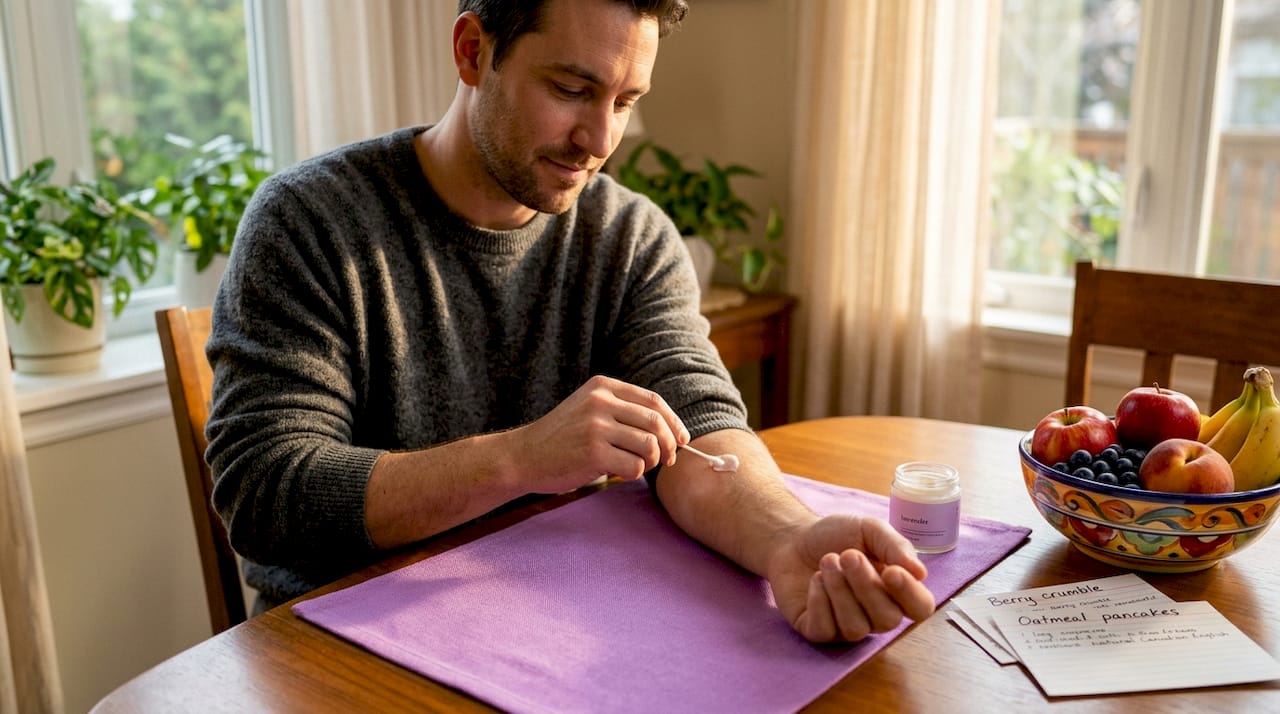
Pro Tip: Patch-test any new product with fragrance or essential oils on the inner forearm for 48 hours before applying it to the face. This is especially critical for products marketed as “natural” but containing complex botanical blends.
Maintaining skin barrier health: purity beyond ingredients
Think of the skin barrier as a “brick and mortar” structure. The skin cells (corneocytes) are the bricks; the lipids (ceramides, fatty acids, cholesterol) are the mortar. When that structure is intact, skin holds moisture, resists irritants, and regulates its own microbiome effectively. When it breaks down, you experience dryness, redness, and sensitivity, regardless of how “pure” your products claim to be.
Skin barrier homeostasis depends on gentle cleansing, consistent moisturisation, and avoiding formulas that strip or disrupt lipid layers. This is the purity and skin health connection that marketing rarely discusses: purity is not only about what you keep out of a formula, it is about what the formula actively supports.
The principles of barrier-respecting skincare look like this:
- ✅ pH-balanced cleansers between 4.5 and 5.5 preserve the acid mantle
- ✅ Mild surfactant systems such as amino acid-based surfactants cause significantly less barrier disruption than sulphate-based systems
- ✅ Moisturisers with occlusives, humectants, and emollients working together to lock in hydration and repair lipid layers
- ✅ Correct product sequencing: Cleanse, treat, then seal with moisturiser within three minutes of cleansing to prevent TEWL
- ❌ Avoid: Alcohol-heavy toners or astringents used without a sealing moisturiser immediately after
Explore more about gentle cleansing methods and how they support long-term skin resilience.
Pro Tip: If your skin feels “squeaky clean” after cleansing, that sensation is the acid mantle being stripped, not cleanliness. A truly pure, well-formulated cleanser leaves skin feeling soft and balanced, not tight.
The role of packaging and preservatives in purity
Here is something the pure skincare conversation almost never addresses: the formula inside the bottle can be genuinely excellent, but the wrong packaging will degrade it within weeks of opening.
Low-preservative cleansers require protective packaging like airless dispensers to prevent contamination and oxidation. This is because lower preservative loads, which many natural and pure formulas use intentionally, create less antimicrobial buffer. Every time you dip fingers into a jar or expose a pump to air, you introduce microbes and oxygen.
| Packaging type | Purity benefit | Best suited for |
|---|---|---|
| Airless pump | Eliminates air contact, prevents oxidation and microbial ingress | Serums, moisturisers with antioxidants |
| One-way valve pump | Reduces air re-entry compared to standard pumps | Cleansers, lotions with low-preservative systems |
| Opaque bottle | Protects photo-sensitive ingredients from UV degradation | Vitamin C, retinol, plant extracts |
| Open jar | Convenient but highest contamination risk | Only suitable with robust preservative systems |
When selecting pure skincare ingredients, it is worth extending that same scrutiny to the container. A product can position itself as a pure ingredients formula while using packaging that actively invites contamination. These are the questions worth asking before you buy:
- Does the product have a pump, or do you dip into it directly?
- Is the container opaque if it contains plant oils or antioxidants?
- What is the period after opening (PAO) symbol indicating shelf stability?
Recognising and avoiding hidden contaminants: the case of PFAS
Even when a formula avoids the obvious irritants and uses thoughtful packaging, hidden contaminants can compromise purity at a deeper level. PFAS (per- and polyfluoroalkyl substances), often called “forever chemicals,” are one of the most pressing concerns in cosmetics today.
Some cosmetic brands intentionally add PFAS for water resistance, texture smoothing, and durability, particularly in foundations, eye products, and long-wear formulas. Others are contaminated unintentionally through raw material supply chains. The FDA has identified 51 distinct PFAS in 1,744 registered cosmetics, with PTFE (polytetrafluoroethylene) being the most common, and safety toxicology data remains incomplete for the majority of those compounds.
| PFAS type | Common cosmetic category | Safety data status |
|---|---|---|
| PTFE (polytetrafluoroethylene) | Foundation, powder, primer | Limited long-term data |
| PFHxA | Eye makeup, mascara | Incomplete toxicology |
| PFOA-related compounds | Waterproof formulas | Restricted in some jurisdictions |
| Fluorinated polymers | Lip products | Under ongoing regulatory review |
Regulatory note (2026): Despite the FDA’s report identifying these compounds, no blanket prohibition on cosmetic PFAS exists yet in most markets. Health-conscious consumers need to actively seek out brands that test for and disclose PFAS absence, since regulatory protection is still catching up to the science.
True purity in skincare must include awareness of these contaminants, especially for products used daily near the eyes, nose, and mouth. If a brand cannot confirm third-party testing for PFAS, that silence is itself informative.
Rethinking purity: beyond marketing to real skin health
Here is the uncomfortable reality that the clean beauty industry would prefer you not think about too carefully: the marketing of “pure” skincare has created a paradox. By making purity synonymous with absence (no sulphates, no parabens, no silicones), it has shifted consumer attention away from what formulations actually do and toward what they remove. The result is a market flooded with products that are “free-from” many things but not actually gentle, effective, or safe.
We have seen natural essential oils cause contact dermatitis in people who believed they were using something inherently safe. We have seen “paraben-free” products preserved with ingredients that are, in many dermatological studies, more sensitizing than the parabens they replaced. This is not a reason to distrust all natural skincare. It is a reason to demand formulation logic, not just label claims.
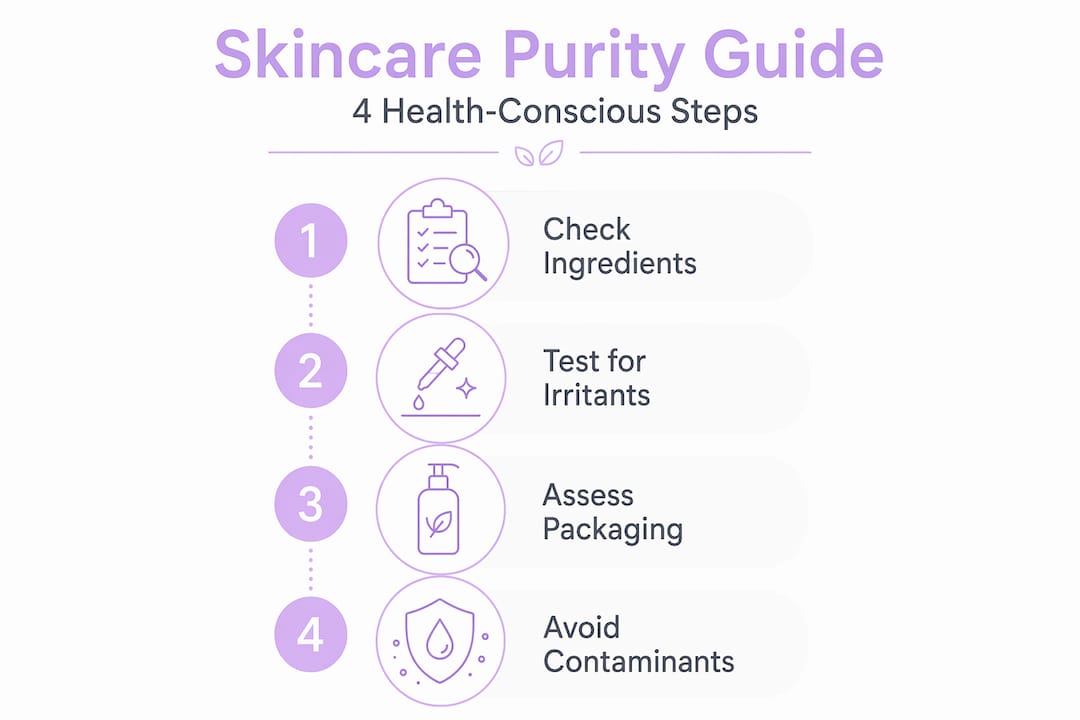
The real importance of skincare purity lies in the whole system: ingredient interactions, pH management, preservation strategy, packaging integrity, and how you use the product. A consumer who reads ingredient lists critically, understands surfactant chemistry at a basic level, and considers packaging as part of the purity equation is far better protected than one who trusts a “clean” badge.
We also believe this: chasing chemical-free skincare options is the wrong goal. Water is a chemical. Vitamin C is a chemical. The goal is formulas with well-understood, low-irritant ingredients, transparent testing, and packaging that supports stability. That framing moves you from reactive label-checking to proactive formulation literacy, which is the actual clean beauty foundation worth building.
Pro Tip: Ask brands directly: “Has this product undergone dermatological testing, and can you share those results?” A brand confident in its formulation quality will answer. One that cannot is telling you something important.
Explore pure natural skincare solutions with ZenChemy Lab
Understanding the science of purity is the first step. Applying it to your daily routine is where real change happens.
At ZenChemy Lab, we formulate our natural skincare products with barrier support, gentle cleansing, and full ingredient transparency at the centre of every decision. Our collections are designed for health-conscious individuals who want more than a label. Explore:
- 🌿 Natural skin products: cleansers, moisturisers, and artisanal soaps crafted with pure, plant-based ingredients
- 📋 Natural skincare routine tips: expert-backed guidance on building a routine that respects your skin barrier
- 🌸 Botanical cosmetics: luxurious formulations where every ingredient earns its place
Your skin deserves formulation logic, not just marketing language. We are here to help you find it.
Frequently asked questions
What does purity mean in skincare products?
Purity in skincare means the product is formulated to minimise irritants and allergens, maintain skin barrier health, and avoid harmful contaminants, not simply that it carries a “natural” or “clean” label. Skin sensitization research links purity to reducing known sensitising and irritant drivers through intentional formula design.
Are “clean” or “sulfate-free” labels reliable indicators of purity?
No. These labels indicate the absence of certain ingredients but do not guarantee overall gentleness or safety, as clean-label formulation logic confirms the entire formula and ingredient interactions are what determine true purity. An incomplete descriptor can mask a poorly balanced formula.
How does packaging affect skincare purity?
Packaging protects a product from contamination and oxidation, especially critical when preservative levels are intentionally low. Airless and one-way valve packaging safeguards purity and stability in ways that standard open jars or pumps simply cannot match.
What are PFAS and why are they a concern in skincare?
PFAS are persistent synthetic chemicals added to some cosmetics for texture and durability, with the FDA identifying 51 types in registered products and noting incomplete safety toxicology data for most. Avoiding products that cannot confirm PFAS testing is a practical step toward cleaner skincare choices.
How can I ensure my skincare routine supports skin barrier health?
Choose pH-balanced, gentle cleansers and apply a barrier-supporting moisturiser within three minutes of cleansing to limit TEWL. Skin integrity research confirms that gentle cleansing paired with consistent moisturisation are the two most critical factors in maintaining and restoring skin barrier function.

4 Comments
Devin Hessel
My co-worker Aurthur has one of these. He says its amasing
Rosanna Becker
I saw one of these in Kazakhstan and I bought one.
Margie Konopelski
i use it for 10 weeks when i’m in my jail.
pecaliente
I absolutely love how smooth every cream and soap i bought ! thank you !