
TL;DR:
- Genuine natural soaps retain glycerin, offer balanced formulations, and nourish skin with plant oils and butters.
- They cleanse gently while respecting the skin barrier, reduce irritation, and support environmental wellness through biodegradable ingredients.
Not all soap is created equal, and the sheer volume of “natural” claims on store shelves makes it genuinely difficult to know what you’re buying. Understanding the top natural soap benefits goes far beyond marketing language. It comes down to specific ingredients, formulation science, and what those choices actually do to your skin day after day. This article breaks down exactly what to look for, what the real advantages are, and how to make natural soap work for your skin type and routine.
Table of Contents
- Key takeaways
- 1. What makes a natural soap genuinely natural
- 2. Gentle cleansing that respects your skin barrier
- 3. Natural moisturisation through retained glycerin
- 4. Skin nourishment from plant oils and butters
- 5. Reduced irritation and lower allergen risk
- 6. Antibacterial and antifungal properties from natural ingredients
- 7. Environmental benefits that connect to skin wellness
- 8. How natural and commercial soaps compare
- 9. Choosing the right natural soap for your skin type
- My honest take on the “natural” label and what it actually means
- Discover Zenchemylab’s artisanal natural soaps
- FAQ
Key takeaways
| Point | Details |
|---|---|
| Glycerin stays in natural soap | Handmade natural soaps retain glycerin from saponification, keeping skin hydrated over time. |
| Balanced formulas matter most | A well-made natural soap blends cleansing oils with conditioning butters to avoid dryness or irritation. |
| Commercial soap strips skin | Many commercial bars remove glycerin and add harsh detergents that disrupt the skin’s acid mantle. |
| Ingredient lists reveal everything | Short, plant-based ingredient lists signal quality; synthetic fragrances and sulphates are red flags. |
| Natural soap suits all skin types | With the right formula, natural soap benefits sensitive, oily, dry, and mature skin without compromise. |
1. What makes a natural soap genuinely natural
Before you can appreciate the advantages of handmade soap, you need to know what separates a true natural soap from one that simply uses green packaging. Genuine natural soaps are made through saponification, the chemical process of combining plant oils or butters with a lye solution (sodium hydroxide or potassium hydroxide) to create soap and glycerin. No synthetic detergents. No petroleum derivatives.
Here is what to look for on an ingredient list:
- ✅ Plant oils such as olive, coconut, castor, and sunflower
- ✅ Butters like shea, cocoa, or mango for conditioning
- ✅ Essential oils for natural fragrance and skin benefits
- ✅ Natural colourants like clays, botanicals, and plant extracts
- ✅ Retained glycerin from the saponification process
And here is what should raise concern:
- ❌ Sodium lauryl sulphate (SLS) or sodium laureth sulphate (SLES)
- ❌ Parabens, phthalates, or synthetic fragrances labelled as “parfum”
- ❌ Petroleum-based emollients or mineral oil
- ❌ Artificial dyes or preservatives like BHT
Palm oil causes deforestation and is common in commercial bars, so ethically made soaps substitute shea or cocoa butter to achieve hardness without the environmental toll. Cruelty-free production and biodegradable ingredients are markers of brands that take their “natural” claims seriously.
Pro Tip: Read ingredient lists from back to front. The last few ingredients are often what separates a mediocre bar from a genuinely nourishing one. Conditioning oils listed early and no synthetic preservatives listed anywhere is a strong sign of quality.
2. Gentle cleansing that respects your skin barrier
Your skin barrier functions like a “brick and mortar” wall: lipids fill the spaces between skin cells, holding moisture in and keeping irritants out. Harsh commercial cleansers attack that mortar. Natural soaps work with it.
Natural soap formulations respect skin’s delicate pH and microbial balance, which is something conventional bars rarely do. Rather than stripping away everything, a well-made natural soap lifts dirt and excess sebum while leaving the beneficial lipid layer largely intact. The result is cleaner skin that doesn’t feel tight or reactive after washing.
This is especially relevant if you have sensitive or reactive skin. Gentle cleansers reduce pathogenic bacteria without harsh antiseptics, which makes them a smarter choice for conditions like eczema or folliculitis where the skin is already compromised. The soothing effects of natural soap come precisely from this restraint: cleansing without aggression.
3. Natural moisturisation through retained glycerin
This is one of the top natural soap benefits that most people never learn about until after they make the switch. During saponification, a natural byproduct called glycerin forms. Glycerin is a humectant, meaning it draws moisture from the air into your skin.
Glycerin attracts moisture to the skin, and this is why handmade bar users consistently report softer, more supple skin compared to what they experienced with commercial products. Commercial manufacturers extract glycerin from their soap and sell it separately as a premium ingredient in lotions and serums. You pay for it twice: once in the soap that removes it from your skin, and again in the moisturiser you need to compensate.
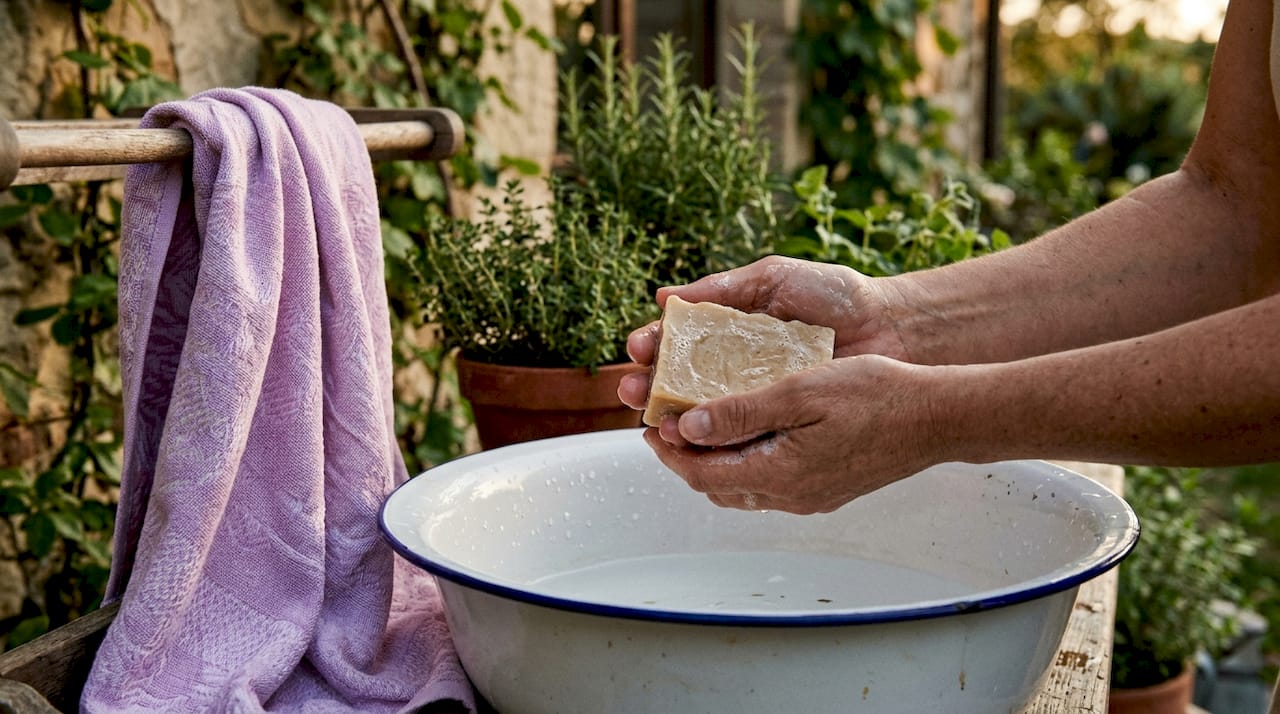
Natural soaps keep that glycerin right where it belongs. Your skin retains hydration naturally through regular use, reducing transepidermal water loss (TEWL) without additional layers of product.
4. Skin nourishment from plant oils and butters
The benefits of organic soap come in large part from the plant-derived oils at the core of every good formula. Each oil contributes differently:
Olive oil delivers oleic acid, which closely mirrors the fatty acid profile of human sebum, making it deeply nourishing for dry or mature skin. Coconut oil creates a hard, long-lasting bar with excellent lather and cleansing power. Castor oil boosts foam and adds a silky feel. Shea butter supplies stearic and oleic acids that condition without clogging pores.
A well-formulated natural soap carefully balances cleansing oils like coconut with conditioning oils like olive and shea to maintain skin integrity. Coconut oil, for example, cleanse effectively but can dry skin when used in excess. Shea butter counterbalances that, creating a formula that is both effective and skin-friendly.
5. Reduced irritation and lower allergen risk
Avoiding parabens, sulphates, phthalates, and synthetic fragrances makes natural soaps significantly gentler for people with reactive skin. Synthetic fragrance is one of the most common causes of contact dermatitis, and it hides under the single word “parfum” on commercial product labels. A natural soap scented with essential oils tells you exactly what it contains.
This transparency matters. When you can read and recognise every ingredient, you can make informed decisions about what goes on your skin. For those managing eczema or rosacea, checking out eczema-specific soap options formulated without common triggers is a practical starting point.
Why artisanal soap matters here is straightforward: small-batch production means every ingredient is chosen deliberately, not sourced for cost efficiency. That intentionality shows up in how your skin responds.
6. Antibacterial and antifungal properties from natural ingredients
Some natural soap properties go beyond simple cleansing. Certain ingredients provide genuine antimicrobial activity without the harsh side effects of triclosan or other synthetic antibacterials.
Zinc pyrithione and zinc oxide suppress bacteria and yeasts while reducing inflammation and odour. Tea tree essential oil has well-documented antifungal and antibacterial effects. Activated charcoal draws out impurities and excess sebum from pores. Neem oil, used traditionally in Ayurvedic skincare, has both anti-inflammatory and antimicrobial properties.
These are not marketing claims. These ingredients are used in dermatological formulations precisely because they work. When you find them in a handmade soap at the right concentration, you get functional skincare in every wash.
7. Environmental benefits that connect to skin wellness
Why natural soap matters extends to what happens after it goes down the drain. Commercial body washes often contain microplastics, synthetic preservatives, and petroleum compounds that accumulate in waterways. Natural soaps, particularly those with biodegradable packaging and plant-derived ingredients, break down safely.
This matters for your skin indirectly. Clean water sources, reduced toxic load in the supply chain, and sustainable ingredient sourcing all contribute to a healthier environment. And a healthier environment supports healthier skin, particularly for those sensitive to chemical exposure or living near urban pollution sources.
8. How natural and commercial soaps compare
Most people are surprised to learn that many commercial “soap” bars are technically detergent bars, not true soaps. The distinction matters.
| Feature | Natural/Artisanal soap | Commercial soap bar |
|---|---|---|
| Glycerin content | Retained naturally from saponification | Removed and sold separately |
| Cleansing agents | Saponified plant oils | SLS, SLES, or synthetic surfactants |
| Moisturising effect | Yes, from oils, butters, and glycerin | Minimal; often requires separate moisturiser |
| Fragrance | Essential oils (fully disclosed) | Synthetic “parfum” (undisclosed compounds) |
| Skin pH respect | Generally compatible with skin’s acid mantle | Often alkaline; disrupts skin barrier |
| Environmental impact | Biodegradable, sustainably sourced | Petroleum-based ingredients, plastic packaging |
| Bar longevity | Longer with proper care; concentrated formula | Often shorter; high water content |
Consumers report softer skin and less irritation after switching from commercial to handmade natural soaps, and the glycerin and balanced oil content explain why. For a deeper look at this comparison, the natural vs. commercial soap breakdown from Zenchemylab covers the formulation differences thoroughly.
Pro Tip: If your skin always feels dry after bathing and you need to apply body lotion immediately, your soap may be stripping your glycerin. Switching to a natural handmade bar often reduces or eliminates the need for post-wash moisturising.
9. Choosing the right natural soap for your skin type
Knowing the advantages of handmade soap is one thing. Knowing which formula suits you is another. Here is a simple starting framework:
- Dry or mature skin: Look for high olive oil content, shea butter, and added ingredients like avocado oil or honey. Avoid anything with a high coconut oil percentage as the primary oil.
- Oily or acne-prone skin: Activated charcoal, kaolin clay, and tea tree oil help draw out excess sebum without over-stripping. Balanced cleansing is the goal.
- Sensitive skin: Fragrance-free formulas or those using calming essential oils like lavender and chamomile. Check the gentle wash options for minimal-ingredient bars suited to reactive skin.
- Normal to combination skin: Most natural soap types will work well. Focus on a balanced formula with a good lather and skin-compatible oils.
- Eczema-prone skin: Unscented, oat-based, or calendula-infused bars are worth prioritising. Work with your dermatologist if your condition is severe.
A few practical tips for making the switch:
- Let your bar dry between uses on a draining soap dish. This preserves the bar and prevents bacterial growth.
- Avoid over-cleansing: once daily is usually enough for body skin.
- Patch test any new bar on your inner wrist for 24 hours before full use.
Pro Tip: Sample sizes or travel bars are an excellent way to test a new formula before committing to a full bar. Many artisan soap makers offer them precisely for this reason.
My honest take on the “natural” label and what it actually means
I’ve spent years working with plant-based formulations, and the single biggest misconception I see is that “natural” automatically means safe, gentle, or effective. It doesn’t. Poison ivy is natural. So is lye, at full concentration.
What actually matters is balance and intention. A soap made with 80% coconut oil and a fragment of shea butter will dry out most skin types, even though every ingredient sounds wholesome. In my experience, the soaps that deliver genuine results are the ones where the formulator understood fatty acid profiles, saponification values, and skin barrier biology. Not just the ones with the prettiest packaging or the longest list of botanical ingredients.
I’m also cautious about blanket claims around “chemical-free” skincare. Everything is a chemical, including water and oxygen. What people mean, and what actually matters, is the absence of synthetic compounds with known risks: hormone disruptors, irritants, and allergens. That framing leads to much better product choices than a vague fear of chemicals.
The environmental and ethical side of this matters to me personally as well. Choosing soaps made with responsibly sourced ingredients, cruelty-free processes, and minimal packaging isn’t just idealism. It’s choosing to support supply chains that reflect the same care you want applied to your skin.
My honest advice: read the ingredient list, not the front of the package. Learn what two or three key oils do for your skin type. And give a well-formulated natural soap at least three to four weeks before judging its effects. Your skin needs time to recalibrate after years of commercial detergent use.
— Alex
Discover Zenchemylab’s artisanal natural soaps
If the top natural soap benefits described here align with what your skin has been missing, Zenchemylab’s handmade soap collection is worth exploring. Every bar is crafted from carefully selected plant oils, butters, and botanicals with no synthetic shortcuts.

Browse the handmade soap collection for formulas suited to a range of skin types and concerns, from deeply nourishing bars for dry skin to clarifying options for oily or blemish-prone complexions. If you want to understand how natural ingredients function in skincare more broadly, the natural skin products section offers a fuller picture of what thoughtful, plant-based formulation looks like in practice. For guidance on building a complete routine around these products, Zenchemylab’s natural skincare routine tips walk you through each step with the same level of care and specificity you’d expect from the products themselves.
FAQ
What are the top natural soap benefits for skin?
The top natural soap benefits include retained glycerin for hydration, gentle cleansing that preserves the skin barrier, plant-based nourishment from oils and butters, and reduced exposure to synthetic irritants like sulphates and artificial fragrances.
Why does natural soap retain glycerin but commercial soap doesn’t?
Glycerin forms naturally during saponification in handmade soaps and stays in the bar. Commercial manufacturers extract glycerin and sell it separately, which is why commercial bars often leave skin feeling dry and tight.
Is natural soap suitable for sensitive or eczema-prone skin?
Yes, particularly fragrance-free or minimal-ingredient formulas made with calming botanicals like calendula or oat. Avoiding synthetic fragrance and sulphates removes the most common contact allergens found in commercial cleansers.
How is artisanal soap different from natural soap at a grocery store?
Artisanal soap is made in small batches with deliberate ingredient selection, often using traditional cold-process saponification. Many grocery store “natural” bars still contain detergents or have glycerin removed, making them closer to commercial products despite their labelling.
How long does a natural soap bar last compared to commercial soap?
A well-formulated natural bar, kept dry between uses on a draining dish, typically lasts four to six weeks with daily use. Its concentrated formula and absence of added water mean less product is wasted per wash compared to liquid body washes.

1 Comments