
TL;DR:
- Most packaging in beauty products cannot be recycled due to complex materials, making reuse essential for reducing waste. Zero waste skincare emphasizes minimal consumption, reusable containers, and solid formats, rather than relying solely on recycling and greenwashing claims. Starting with existing products and gradually switching to sustainable options maximizes environmental impact without unnecessary waste.
Most people assume that tossing an empty moisturiser into the recycling bin closes the loop. It does not. What is zero waste skincare, really? It is a deliberate approach to your beauty routine that goes well beyond sorting plastics. It asks you to rethink how much you buy, what it is packaged in, and how long that packaging actually lives. The beauty industry produces over 120 billion units of packaging every year, and the vast majority of it ends up in landfill. Zero waste skincare is the practical, honest answer to that problem.
Table of Contents
- Key takeaways
- Why recycling alone cannot fix skincare waste
- What zero waste skincare actually means
- Reuse, refill, and avoiding greenwashing
- How to start zero waste skincare
- Comparing zero waste skincare approaches
- My honest take on zero waste skincare
- How Zenchemylab supports your zero waste journey
- Common questions
Key takeaways
| Point | Details |
|---|---|
| Recycling is not the solution | Most beauty packaging cannot be processed by kerbside recycling due to complex, multilayer materials. |
| Reuse beats refill systems | Containers you already own have a lower environmental footprint than buying new branded refill pods. |
| Minimalism supports skin health | Fewer products mean less irritation, more savings, and significantly less packaging waste over time. |
| Small steps create real change | Switching one product at a time is a realistic and sustainable way to build a zero waste routine. |
| Greenwashing is common | Many refill and “eco” packaging claims introduce new waste cycles rather than eliminating them. |
Why recycling alone cannot fix skincare waste
The numbers are hard to ignore. 84% of plastic beauty packaging is never recycled, and the beauty industry accounts for roughly one-third of total landfill waste. That is not a recycling infrastructure problem alone. It is a packaging design problem.
Here is what your kerbside bin genuinely cannot handle:
- Pump dispensers on serums and cleansers contain metal springs inside plastic housing, making them impossible to separate for recycling.
- Mascara wands and droppers are composite materials fused together during manufacturing.
- Travel and sample minis are typically too small to be sorted by recycling machinery and fall straight through the processing equipment.
- Multilayer tubes combine multiple types of plastic laminated together. They cannot be recycled without industrial separation technology.
The table below shows just how much of your typical routine ends up in landfill, regardless of your best efforts:
| Product format | Recyclable via kerbside? | Typical material |
|---|---|---|
| Glass serum bottle | ✅ Yes | Borosilicate glass |
| Pump dispenser | ❌ No | Mixed plastic and metal |
| Lotion tube | ❌ Rarely | Multilayer laminate |
| Aluminium tin (uncoated) | ✅ Yes | Aluminium |
| Plastic sample sachet | ❌ No | Multilayer film |
| Jar with separate lid | ✅ Often | PET or glass with PP lid |
Many consumers misjudge what packaging is actually recyclable. Education matters, but infrastructure improvement is equally necessary. Until both catch up, the most honest thing you can do is reduce the amount of packaging you bring home in the first place.
What zero waste skincare actually means
Zero waste skincare is not about achieving a perfectly empty bin or owning nothing. It is a philosophy built around reducing unnecessary consumption, choosing products with minimal or reusable packaging, and extending the life of what you already have.
The core principles look like this:
- ✅ Reuse containers you own rather than buying new ones
- ✅ Refill thoughtfully, choosing systems that genuinely reduce material use
- ✅ Solid formats such as bar cleansers, facial oils in aluminium tins, and pressed powder moisturisers that require no plastic bottle
- ✅ Minimal routines focused on a few quality products rather than a crowded shelf
- ✅ Ingredients over packaging claims — what goes on your skin matters as much as what surrounds it
The connection between zero waste beauty products and skin health is not coincidental. Minimalist skincare routines can reduce irritation, help you identify which products genuinely work for your skin, and support a healthier skin barrier over time. Fewer actives layered together means less risk of compromising your skin’s protective lipid structure.
Switching to a zero waste routine can also reduce personal beauty waste by nearly 50% and cut 100 to 200 kg of CO2 emissions annually. Those are not abstract numbers. They are the real-world result of choosing a solid cleanser over a plastic-pumped gel and a glass jar moisturiser over a squeeze tube.
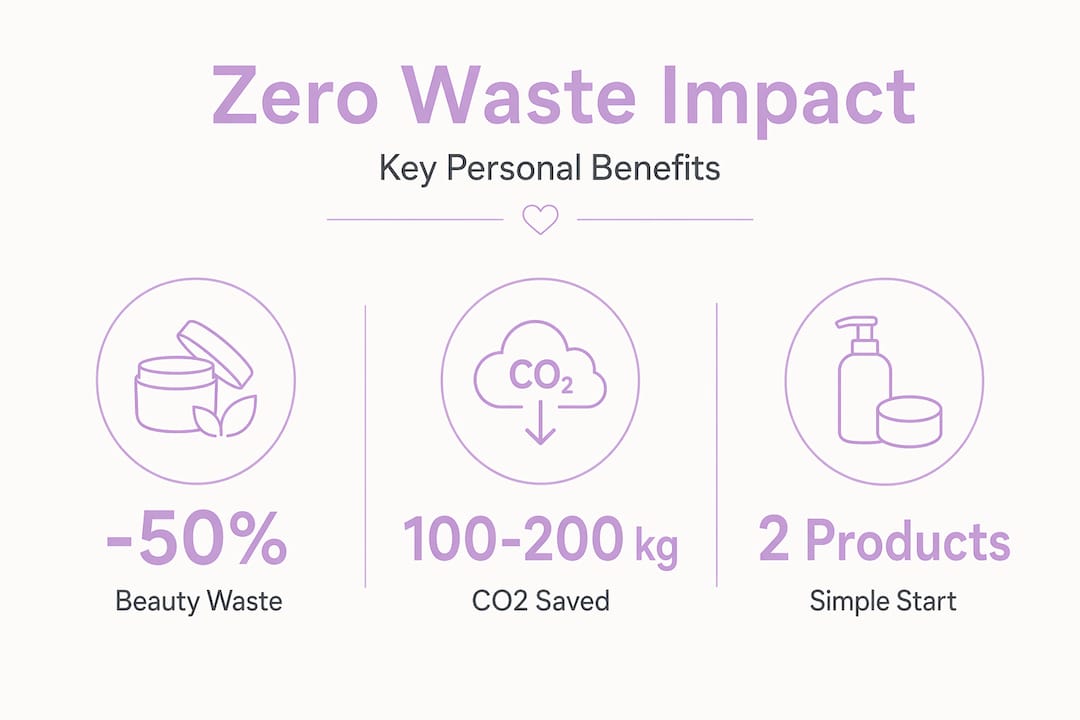
Pro Tip: Start with the products you replace most frequently. For most people, that is a facial cleanser and a daily moisturiser. Switching those two to solid or refillable formats creates the biggest impact without overhauling your entire routine.
Reuse, refill, and avoiding greenwashing
The most sustainable package in your bathroom is the one already sitting there. That is not a poetic idea. It is a practical fact: reusing containers you already own avoids the production of new materials, new transport emissions, and new end-of-life disposal problems entirely.
Here is how to build a realistic reuse practice at home:
- Identify your glass jars and aluminium tins. These are ideal candidates for reuse. Glass is non-porous, does not absorb odours or bacteria, and handles repeated washing without degrading. Aluminium is durable and lightweight.
- Clean containers thoroughly before refilling. Wash with hot water and a mild soap, rinse well, and allow to air dry completely before adding any new product. Residue from previous products can affect stability.
- Avoid plastic containers with scratches or cloudiness. These harbour bacteria and can leach compounds into your skincare products. Retire them and replace with glass or aluminium alternatives over time.
- Choose waterless or solid products where possible. Bar soaps, solid facial cleansers, and balm-format moisturisers require no preservatives at the same level as water-based products, and they often come in compostable or plastic-free wrapping.
- Evaluate refill systems critically. Ask whether the refill pod requires a new plastic pouch each time. Ask whether the “eco” version of the packaging is actually lighter or simpler than the original. If the answer is unclear, that is a signal worth noting.
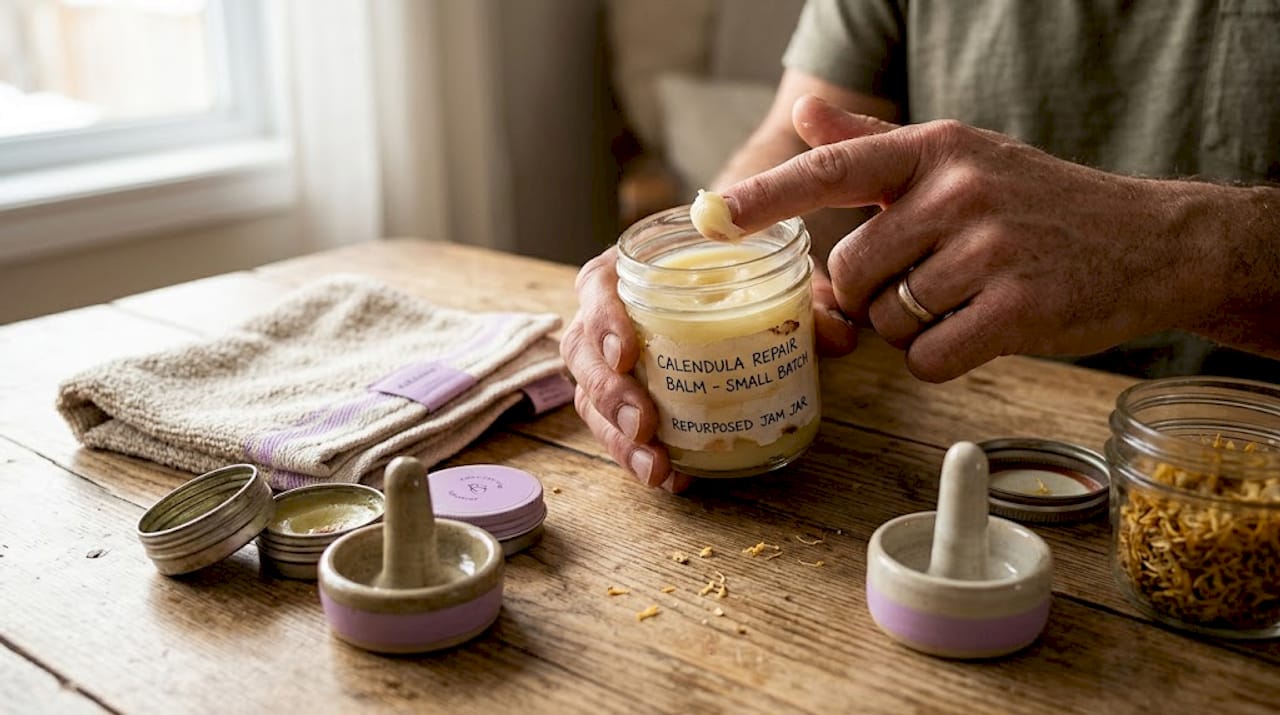
The refill pod market carries real greenwashing risk. Some branded refill systems introduce a new lightweight container plus original outer packaging, which in total uses more material than simply buying the product in a single recyclable glass jar. Authentic zero waste skincare does not look Instagram-perfect. It often looks like a repurposed jam jar filled with a whipped body butter. That is fine. Effectiveness does not require aesthetics.
Pro Tip: Before buying into any branded refill system, calculate the total packaging involved per use. If the refill pouch, shipping materials, and outer container together outweigh a single glass jar, the maths do not support the sustainability claim.
How to start zero waste skincare
The most common mistake people make when learning how to start zero waste skincare is trying to change everything at once. That leads to waste from discarded partially used products and a sense of overwhelm that causes people to abandon the effort entirely. A gradual approach works better for both your skin and the planet.
Follow this sequence instead:
- Finish what you have. Do not throw away products to make room for zero waste alternatives. Using products to completion is the most waste-reducing thing you can do right now.
- Audit your current routine. Write down every product you use daily and weekly. Note the packaging format for each. Identify which items are used up fastest — those are your first swap targets.
- Build a minimalist core routine. A zero waste skincare routine needs only three products to function well: a gentle cleanser, a moisturiser, and a broad-spectrum sunscreen. All three are available in solid, refillable, or plastic-free formats.
- Add targeted treatments selectively. If you use a vitamin C serum or a retinoid, look for these in glass dropper bottles with metal lids. Do not add new treatments until you have truly finished the current ones.
- Track and celebrate small wins. Keep note of every plastic container you did not buy. That awareness builds consistency over time.
When building your core routine, prioritise these lower-waste formats:
- Bar or oil cleansers in paper or tin packaging
- Moisturisers in glass jars with aluminium lids
- Solid or mineral sunscreen sticks in cardboard tubes
- Facial oils in dark glass dropper bottles
Comparing zero waste skincare approaches
Not every zero waste route suits every lifestyle. Here is an honest look at the three main options:
| Approach | Environmental benefit | Practical consideration | Best for |
|---|---|---|---|
| Reuse containers you own | Highest. No new materials required. | Requires cleaning and matching products to container. | Anyone starting out |
| Branded refill systems | Moderate. Depends heavily on the brand. | Risk of greenwashing; assess total packaging per use. | Confirmed low-waste brands only |
| New zero waste packaging (glass, tin) | Good. Durable and recyclable. | Initial cost higher; pays off over product lifetime. | Long-term routine building |
Recycling alone cannot solve the beauty industry’s waste crisis. Reuse and refill models have to carry more of the weight. When comparing zero waste beauty products, prioritise durability and material simplicity. A single glass jar used and refilled twenty times has a vastly lower footprint than twenty single-use plastic tubes, even if those tubes carry a recycling symbol.
Minimalist skincare naturally aligns with zero waste principles because it reduces both product overload and the packaging that comes with it. A shelf with five well-chosen products in reusable containers is genuinely more sustainable than a shelf crowded with thirty items in “eco-friendly” single-use packaging.
My honest take on zero waste skincare
I have watched zero waste beauty go from a niche concern to a full marketing category, and I will tell you plainly: most of what gets labelled “zero waste” is not. It is lighter packaging on the same overconsumption model.
What I have found actually works is far less glamorous. It is using a repurposed glass jar to store a handmade balm. It is choosing a bar of soap over a plastic-pumped gel, not because it is trendy, but because that single bar replaces three plastic bottles per year. It is sustainable skincare practices rooted in consistency, not conversion.
The brands and routines I trust most are the ones that admit the imperfection of the process. Sustainability in skincare is not a destination. You will not arrive at it fully. You will simply make better decisions more often, and that compounds over time into something real.
My advice is to ignore the aesthetics entirely. The mismatched jar and the unwrapped bar soap sitting on your bathroom counter are doing more environmental good than a beautifully curated refill station from a brand that ships each refill pod in a separate padded envelope.
Start where you are. Use what you have. Make one better choice this week. That is the whole method.
— Alex
How Zenchemylab supports your zero waste journey
At Zenchemylab, the commitment to natural, purposeful skincare was never separate from a commitment to less waste. Every product in our natural skin collection is crafted from botanical ingredients in formats designed to last longer and generate less packaging waste. Our artisanal soaps replace multiple plastic-bottled products in a single bar, and our balms and body butters come in formats suited to glass and tin containers that are easy to reuse.
If you are building a minimalist, low-waste routine from scratch, our guide to natural skincare routine tips walks you through exactly which steps matter and which products serve double duty. For those exploring clean beauty without the greenwashing, our product range is a practical place to begin.
Common questions
What does zero waste skincare actually mean?
Zero waste skincare refers to a beauty routine that minimises packaging waste through reuse, refillable formats, solid products, and minimalist product choices, rather than relying on recycling alone to manage waste.
Is zero waste skincare effective for all skin types?
Yes. The core principle of zero waste skincare is quality over quantity, not ingredient restriction. Solid, waterless, and botanical products are available for all skin types including sensitive, oily, dry, and combination.
How much waste can zero waste beauty products actually save?
Adopting zero waste beauty products in your daily routine can reduce personal beauty waste by nearly 50% and lower your CO2 impact by 100 to 200 kg per year.
How do I spot greenwashing in zero waste skincare?
Calculate the total packaging involved per purchase including refill pods, mailers, and outer containers. If the combined material outweighs a single recyclable glass jar, the zero waste claim does not hold up.
Can I start zero waste skincare without throwing away current products?
Absolutely. Finishing your current products before switching is the most sustainable starting point. Discarding usable products to buy “eco” replacements creates more waste, not less.


1 Comments