
TL;DR:
- Proper storage of natural skincare products involves maintaining temperatures between 15–25°C to prevent ingredient degradation. It requires using dark, airtight containers and storing water-based items in cool, dark environments like refrigerators, while anhydrous products are best kept at room temperature in a dry place. Regularly inspecting products and labeling opening dates help ensure safety, effectiveness, and minimal waste over their shelf lives.
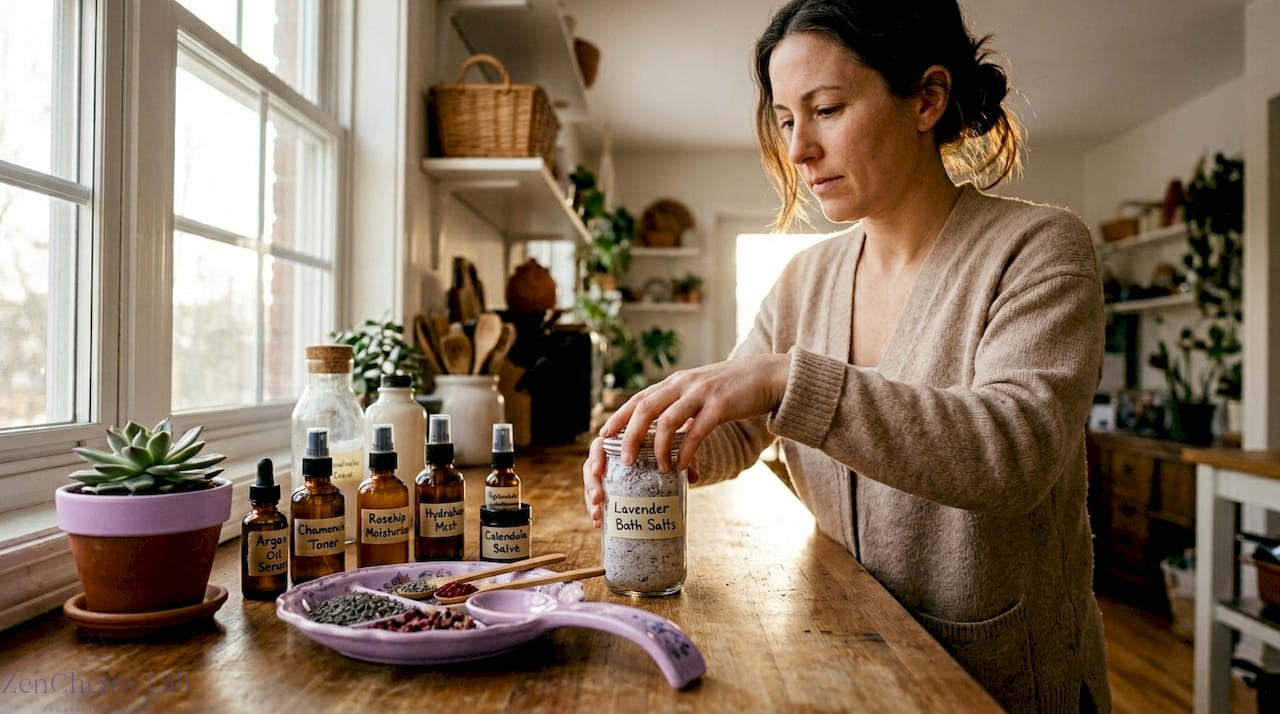
You invested in natural skincare because you want ingredients you can trust, not a shelf full of products that quietly go rancid. Knowing how to store natural skincare correctly is the difference between a serum that delivers results and one that irritates your skin. Without synthetic stabilisers, botanical products are genuinely vulnerable to heat, light, and humidity. This guide covers everything you need to prepare, store, and inspect your natural products so they stay potent, safe, and effective from the first use to the last drop.
Table of Contents
- Key takeaways
- How to store natural skincare: setting up the right environment
- Step-by-step storage guide for natural products
- Common mistakes and storage pitfalls
- How to preserve skincare ingredients for lasting quality
- My honest take on storing natural skincare
- Discover Zenchemylab’s natural skincare range
- FAQ
Key takeaways
| Point | Details |
|---|---|
| Temperature stability matters | Keep natural skincare between 15–25°C to prevent texture changes and ingredient breakdown. |
| Humidity encourages spoilage | Store products away from steamy bathrooms; use a dehumidifier in humid climates. |
| Container choice is critical | Dark glass and airtight opaque bottles protect sensitive ingredients from light and oxygen. |
| Refrigerate water-based products | Homemade masks, hydrosols, and vitamin C serums benefit most from cool storage. |
| Inspect products regularly | Watch for colour, odour, and texture changes as early signs of spoilage. |
How to store natural skincare: setting up the right environment
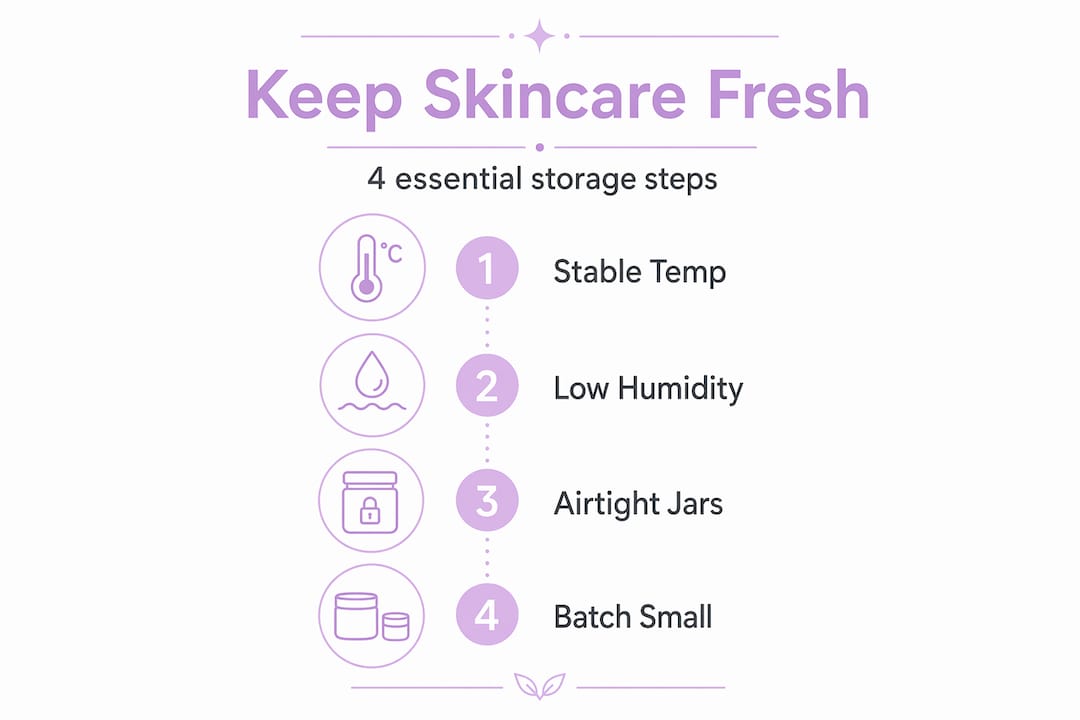
Before you move a single bottle, the environment matters more than any container you choose. Steady temperatures between 15–25°C are the baseline requirement for most natural formulations. Temperature swings, like those caused by a sunny windowsill or a bathroom vent blowing heat, break down emulsions, cause oils to separate, and degrade active botanicals faster than almost anything else.
Humidity is the second major threat. High humidity encourages mould and microbial growth, which is particularly damaging to preservative-free formulas. The bathroom, despite being the most convenient spot, is genuinely one of the worst places to keep natural skincare. If your storage area feels sticky in summer, a small dehumidifier makes a real difference.
Choosing the right containers ✔
The containers you use determine how long your products stay stable. The best storage for natural products follows these principles:
- Dark glass bottles or jars for oils, serums, and actives that degrade with UV exposure
- Airtight lids to minimise oxygen contact, which causes oxidation and rancidity in lipid-rich products
- Opaque or amber-coloured bottles for water-based products containing vitamin C, retinol alternatives, or plant extracts
- Pump dispensers instead of open jars wherever possible, since they reduce contamination from fingers
Cosmetic ingredients stored in cool, dark places with airtight glass containers maintain their potency significantly longer than those left in clear plastic on a bright vanity.
Pro Tip: Label every container with the product name and the date you opened it. This single habit removes all guesswork about what to use first and what to toss.
Storage needs vary by product type
Water-based products, such as toners, hydrosols, and gel moisturisers, spoil faster because water content is the primary driver of microbial risk. These need cooler, more controlled conditions. Anhydrous products, meaning water-free formulations like balms, body butters, and pure facial oils, are far more forgiving at room temperature and generally do not require refrigeration.
| Product type | Ideal storage location | Approximate shelf life |
|---|---|---|
| Water-based serums and toners | Cool, dark cabinet or fridge | 3–6 months opened |
| Homemade masks and mists | Refrigerator | 1–2 weeks |
| Anhydrous oils and balms | Cool, dark cabinet | 6–12 months |
| Powders and clays | Airtight container, dry shelf | 12–24 months |
| Vitamin C serums | Fridge, opaque bottle | 1–3 months opened |
Step-by-step storage guide for natural products
Once your environment is prepared, the actual process of storing products is straightforward. Here is a practical sequence to follow:
-
Clean and dry your storage space. Wipe down shelves with a diluted alcohol solution before placing products. Residue from old products can contaminate new ones.
-
Sort products by type. Separate water-based from anhydrous products. Water-based items go to the coolest, darkest spot or directly into the fridge. Balms and oil-based items stay at room temperature in a cabinet away from sunlight.
-
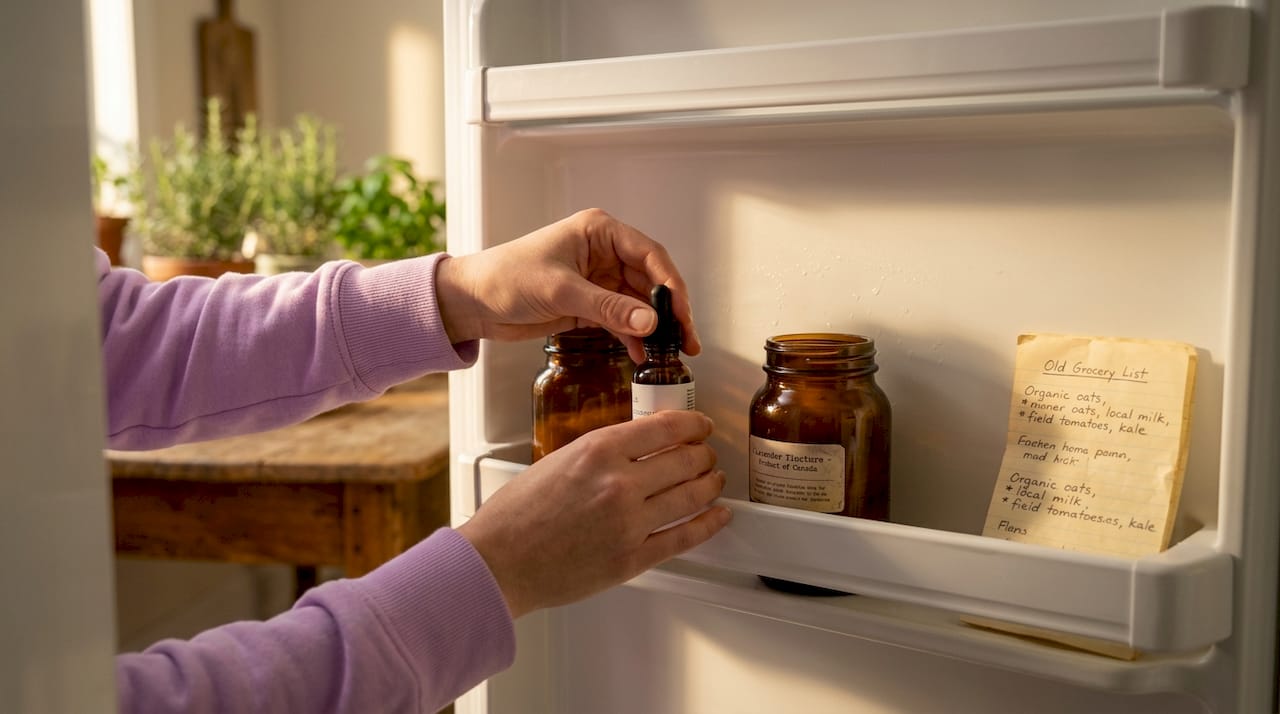
Refrigerate the right products. Refrigeration roughly doubles the usability period of homemade, water-based cosmetics compared to bathroom storage. Homemade face masks, aloe-based gels, rosewater mists, and vitamin C serums all benefit from the fridge. Use a dedicated shelf or small container so skincare does not mix with food.
-
Handle anhydrous products carefully. Some oils, like rosehip and vitamin E, benefit from refrigeration, but thicker butters like shea or cocoa may solidify and separate if chilled. Know your formula before refrigerating.
-
Practise strict hygiene when using products. Avoid double-dipping fingers into jars. Use a clean spatula or spoon instead. Even trace moisture or bacteria from your fingers can compromise a preservative-free product within days.
-
Rotate your products. Place newly purchased or made items at the back and move older ones to the front. This simple rotation prevents you from accidentally using a product that has been sitting idle for months.
-
Record opening dates. Use a small sticker or a permanent marker directly on the container. The natural skincare shelf life clock starts the moment a product is opened, not when it was made.
Pro Tip: Store your vitamin C serums in the fridge door rather than the main shelf. The temperature is slightly warmer than the deep cold of the main compartment, which keeps the serum fluid while still protecting the ascorbic acid from degradation.
A clean, organised storage system also supports sustainable skincare habits. When you can clearly see what you have and how old it is, you use products while they are still at their best and waste far less.
Common mistakes and storage pitfalls
Even with the best intentions, a few habits quietly undermine your products. These are the most common ones worth knowing.
- Storing products in the bathroom. Steam from showers creates humidity spikes that encourage mould in water-based formulas, even sealed ones.
- Leaving products near windows. UV exposure degrades vitamin C, retinol alternatives, and most botanical extracts within weeks, not months.
- Using the same products for too long. Regular inspection for colour changes, odour shifts, and texture alterations is the only reliable way to catch spoilage early.
- Assuming refrigeration makes everything safe. Refrigeration slows spoilage but cannot replace proper preservation and hygiene, particularly for DIY products. A homemade blend stored in the fridge but made in an unclean environment can still grow harmful bacteria.
- Making or buying large batches of homemade products. DIY blends have unpredictable shelf lives because they lack tested preservation systems. Small batches reduce the risk of using a compromised product.
⚠️ If a product develops an unusual smell, changes colour noticeably, or shows any visible mould, discard it immediately. Do not try to “use up” a spoiled product to avoid waste. Applying compromised skincare can cause irritation, breakouts, or worse.
Signs your product may have gone bad include: a sour or rancid odour, a greasy or slimy texture that was not there before, visible separation in emulsions that does not re-blend with shaking, and any spotty discolouration on the surface.
How to preserve skincare ingredients for lasting quality
Whether you are storing homemade skincare or raw ingredients for future use, the principles of preservation come down to one central fact: water invites spoilage. Anhydrous formulations last up to 6 to 12 months without refrigeration precisely because there is no moisture to support microbial growth. Water-based products are more complex and need more active intervention.
Natural preservation techniques
If you prefer to store homemade skincare without synthetic preservatives, several traditional methods offer meaningful protection:
- Alcohol (at concentrations above 20%) acts as a natural preservative in toners and mists
- Raw honey has antimicrobial properties and works well in anhydrous or very low-water products
- Glycerine helps bind water and slows spoilage in some formulations
- Apple cider vinegar can lower pH in water-based blends, creating a less hospitable environment for bacteria
These natural preservation methods are most reliable when used correctly and combined with strict hygiene during preparation. They are not a substitute for tested preservation systems in complex emulsions.
| Ingredient type | Storage container | Needs refrigeration? |
|---|---|---|
| Clays and powders | Airtight, dry glass jar | No |
| Facial oils (rosehip, sea buckthorn) | Dark glass bottle | Beneficial |
| Shea or cocoa butter | Sealed tin or glass | No |
| Active water-based serums | Amber pump bottle | Yes, after opening |
| Honey-based balms | Glass jar, airtight lid | No |
Pro Tip: When storing raw ingredients like clays or powders, add a small food-safe silica packet to the container. It absorbs any residual moisture that could cause clumping or microbial growth over time.
Staying curious about medically guided skincare practices also helps you understand which ingredients are genuinely fragile and which have a natural resilience, so you can prioritise your storage attention where it actually counts.
My honest take on storing natural skincare
I’ve watched a lot of people invest genuinely in beautiful, thoughtful natural skincare and then store it in the worst possible spot: the bathroom shelf directly above the sink, next to a sunny window, or in an enormous jar they keep for months. I’ve done it myself.
The “just refrigerate everything” approach that circulates online is well-meaning but misleading. I’ve seen it lead people to solidify perfectly fine facial oils, alter the texture of botanical balms, and feel falsely confident about DIY blends that had other hygiene issues from the start. The fridge is not a magic safety box. It is one tool in a larger system.
What actually made a difference in my experience was batch sizing. When you make or buy small quantities that you genuinely finish within the realistic shelf life, you sidestep most of the storage drama entirely. There is no six-month-old serum to worry about because it is gone before the question arises.
I also feel strongly about labelling. Writing the opening date on every product feels tedious until the day you find two unmarked jars and have no idea which one is three weeks old and which is three months old. That five-second habit has saved products and skin more times than I can count.
The most meaningful shift is moving from “I hope this is still good” to a clear, regular inspection routine. Check your products every few weeks. Trust your senses. Natural skincare is genuinely better when it is fresh, and knowing when to let go of a product is just as much a part of the routine as applying it.
— Alex
Discover Zenchemylab’s natural skincare range
Zenchemylab formulates every product with ingredient stability in mind, so what you store at home stays fresh and effective through proper care.

Explore the full range of natural skin products crafted from pure botanicals, thoughtfully preserved to maintain their potency from production through to your daily routine. If you are building or refining your routine, the skincare routine guide on the Zenchemylab blog walks through how proper storage connects directly to better results. For skin focused on radiance and glow, the glowing skin collection offers targeted formulations that reward careful storage with noticeably brighter results. Questions about specific products or storage advice? Reach out directly through the Zenchemylab website.
FAQ
What is the best temperature to store natural skincare?
Natural skincare products keep best at temperatures between 15–25°C, away from heat sources and temperature fluctuations. A cool, dark cabinet or drawer is ideal for most products.
Should you refrigerate natural skincare products?
Refrigeration benefits water-based products like homemade masks, vitamin C serums, and hydrosols, roughly doubling their safe usability period. Anhydrous products like balms and body butters generally do not need refrigeration and may change texture if chilled.
How long do homemade natural skincare products last?
Homemade products have unpredictable shelf lives because they lack tested preservation systems. Small batches used within one to two weeks are safest for water-based DIY formulas, while anhydrous homemade products may last six to twelve months with proper storage.
How do you know if a natural skincare product has gone bad?
Watch for a rancid or sour odour, visible colour changes, unexpected texture shifts, or any mould growth. Routine inspection for these signs is the most reliable way to catch spoilage before it reaches your skin.
Is the bathroom a good place to store natural skincare?
No. Steam and humidity from showers create conditions that accelerate spoilage in natural and preservative-free products. A bedroom drawer, hallway cabinet, or dedicated skincare shelf in a cool, dry room is a much better choice.
2 Comments