TL;DR:
- Plant extracts contain bioactive compounds that support skin health by targeting molecular pathways like antioxidants and anti-inflammatory agents. Proper formulation with advanced delivery systems enhances their stability and absorption, improving effectiveness. Standardization and clinical validation are essential to ensure safety and real skincare benefits.
Plant extracts are defined as concentrated bioactive compounds derived from roots, leaves, flowers, and seeds that act on molecular pathways to support skin health. The role of plant extracts in skincare goes well beyond fragrance or aesthetics. Compounds like flavonoids and polyphenols scavenge reactive oxygen species, suppress NF-κB inflammatory signalling, and inhibit matrix metalloproteinases (MMPs) that break down collagen. These are the same molecular targets that pharmaceutical researchers pursue. The difference is that botanical cosmeceuticals deliver these effects through ingredients your skin has co-evolved with for millennia. Understanding how they work helps you choose products that actually deliver results.
What active compounds in plant extracts contribute to skincare benefits?
The most studied bioactive groups in plant-based skincare are flavonoids, polyphenols, and essential oils. Each group brings a distinct set of benefits, and many work synergistically when combined in a well-formulated product.
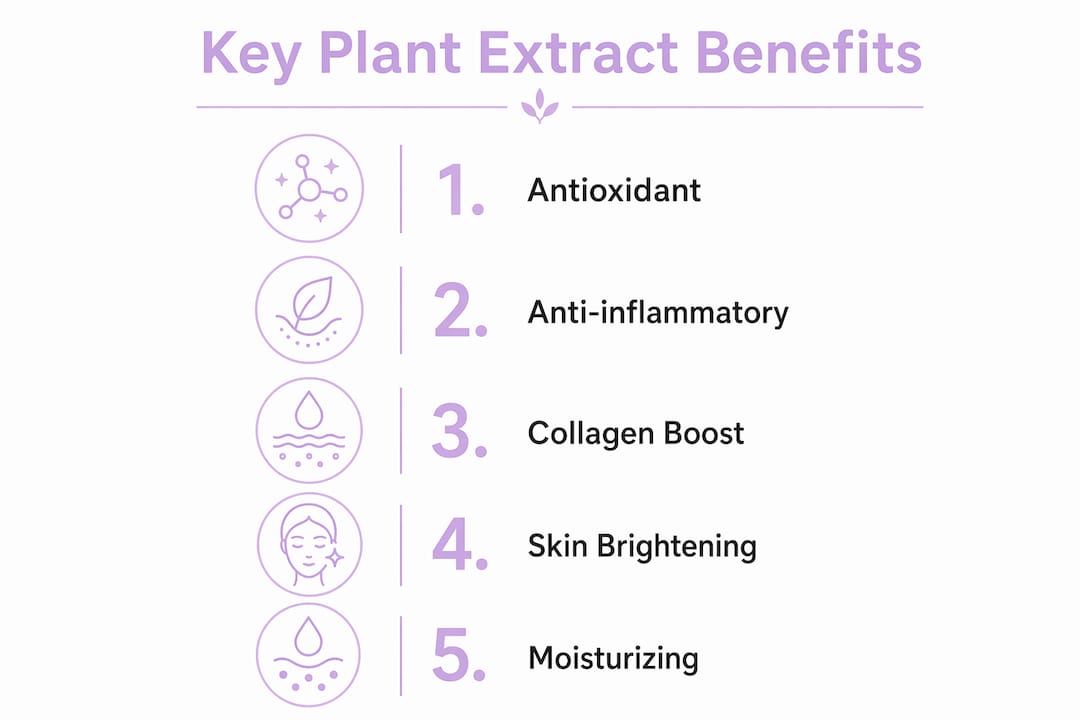
Flavonoids and polyphenols are the workhorses of antioxidant skincare. They neutralise free radicals, reduce oxidative stress, and slow the visible signs of ageing. Quercetin, resveratrol, and green tea catechins are among the most researched. They also regulate pigmentation and collagen by inhibiting tyrosinase (the enzyme that drives melanin overproduction) and promoting fibroblast activity for firmer skin.
Essential oils serve a dual purpose. Oils like tea tree and rosemary act as both active agents and natural preservatives in formulations, replacing synthetic preservatives to meet clean beauty standards. Tea tree oil’s antimicrobial action against Cutibacterium acnes makes it a clinically relevant ingredient for acne-prone skin. Rosemary extract protects other actives from oxidative degradation on the shelf.
Here is a quick breakdown of key bioactive categories and their primary roles:
- ✅ Flavonoids (quercetin, rutin): antioxidant defence, anti-inflammatory, anti-ageing
- ✅ Polyphenols (resveratrol, EGCG from green tea): collagen support, UV damage repair
- ✅ Essential oils (tea tree, rosemary): antimicrobial, soothing, natural preservation
- ✅ Carotenoids (beta-carotene, lycopene): photoprotection, brightening
- ✅ Alkaloids and terpenoids: barrier support, wound healing
Pro Tip: Look for products that list the specific extract and its standardised percentage on the label. “Contains green tea extract” tells you very little. “Contains 95% EGCG green tea extract at 0.5%” tells you the product was formulated with intention.
How do modern formulations enhance the effectiveness of plant extracts?
Raw plant extracts face a significant challenge: many of their most potent compounds are unstable and poorly absorbed through the skin barrier. Vitamin C (ascorbic acid), for example, degrades rapidly under light and heat. Without a delivery system designed to protect it, a product containing vitamin C may be nearly inert by the time it reaches your skin.
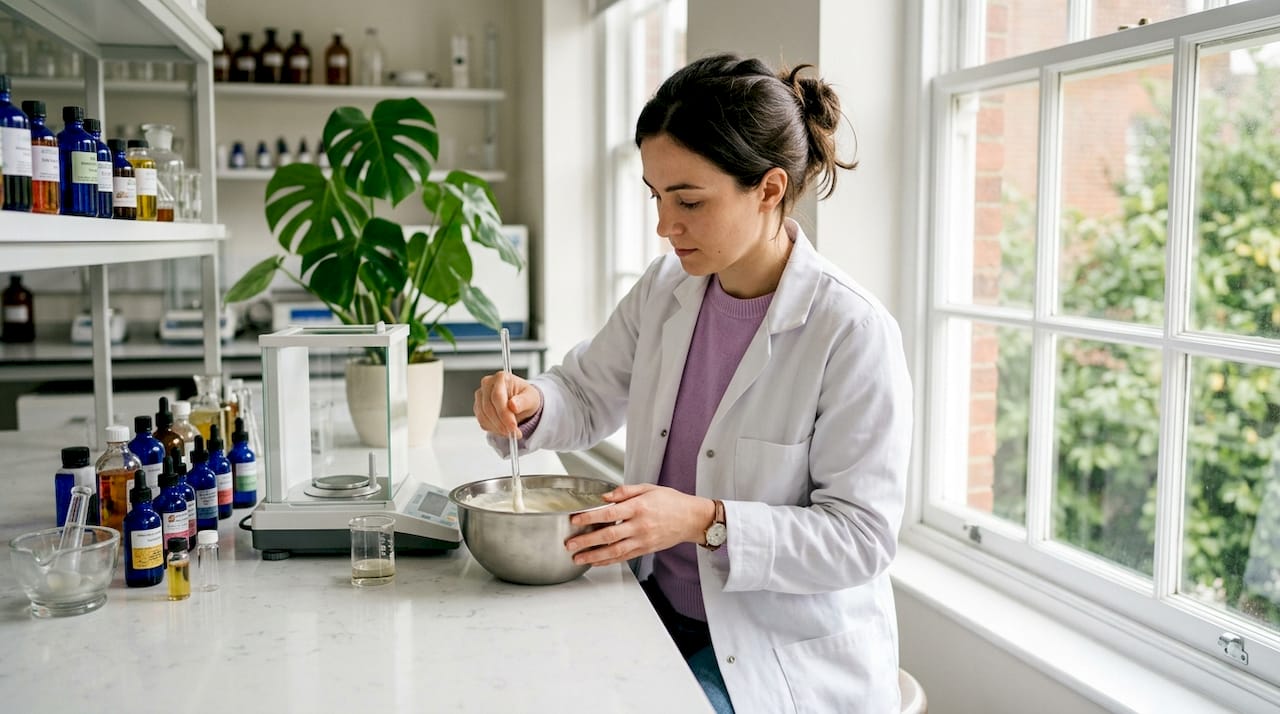
This is where advanced formulation technology changes everything. The skin’s outermost layer, the stratum corneum, acts like a “brick and mortar” wall. It is designed to keep things out. Most plant actives are either too hydrophilic or too large to pass through efficiently on their own.
Formulators now use lipid-based nanocarriers to solve this problem:
- Liposomes: Phospholipid spheres that mimic the skin’s own membrane structure. They fuse with skin cells and deposit actives directly where they are needed.
- Niosomes: Non-ionic surfactant vesicles that are more stable than liposomes and work well for sensitive skin formulations.
- Nanoemulsions: Ultra-fine oil-in-water or water-in-oil droplets that dramatically increase surface area and skin contact, improving absorption.
- Solid lipid nanoparticles: Protect heat-sensitive actives and allow controlled, timed release into deeper skin layers.
Lipid-based nanocarriers protect plant bioactives from degradation and enable controlled release into the dermis. That controlled release matters because it reduces the risk of irritation from concentration spikes while extending the active’s time in the skin.
| Delivery system | Best suited for | Key advantage |
|---|---|---|
| Liposomes | Polyphenols, peptides | Mimics skin membrane for easy uptake |
| Nanoemulsions | Lipophilic actives, essential oils | High absorption, lightweight feel |
| Solid lipid nanoparticles | Unstable actives (vitamin C, retinol) | Protects from heat and light degradation |
| Niosomes | Sensitive skin formulations | Stable, gentle, cost-effective |
Pro Tip: When reading a product label, terms like “encapsulated,” “liposomal,” or “nano-delivered” are signals that the brand has invested in bioavailability. A plain botanical infusion and a liposomal extract of the same plant are not equivalent products.
What skin conditions and benefits do plant extracts address?
Plant extracts address a wide range of skin concerns with mechanisms that are well documented in peer-reviewed research. The role of plant extracts in cosmetics extends from everyday maintenance to managing chronic skin conditions.
Antioxidant defence is the most universal benefit. Free radicals from UV radiation, pollution, and metabolic processes accelerate skin ageing by damaging DNA, lipids, and proteins. Flavonoids and polyphenols scavenge ROS and suppress MMP activity, directly reducing the breakdown of collagen and elastin. This is the molecular basis for the anti-ageing claims you see on botanical skincare products.
Anti-inflammatory effects are particularly relevant for acne, rosacea, and psoriasis. NF-κB is a master regulator of inflammation in the skin. Plant extracts that suppress NF-κB signalling reduce redness, swelling, and the inflammatory cascade that worsens breakouts. Centella asiatica and licorice root are two well-studied examples used in formulations targeting sensitive and reactive skin.
- Acne and blemish control: Tea tree oil and neem extract reduce C. acnes populations and calm post-breakout inflammation.
- Pigmentation and uneven tone: Tyrosinase inhibitors like kojic acid (from fungi) and arbutin (from bearberry) reduce melanin overproduction at the source.
- Barrier repair: Ceramide-rich plant oils (sunflower, rosehip) restore the lipid matrix of the stratum corneum, reducing transepidermal water loss (TEWL).
- Collagen synthesis: Vitamin C from plant sources and Centella asiatica’s asiaticoside stimulate fibroblasts to produce new collagen.
- Photoprotection: Carotenoids and polyphenols absorb UV energy and quench the resulting free radicals before they cause cellular damage.
Tyrosinase inhibition and collagen promotion are two of the most clinically validated pathways in botanical skincare. These are not marketing claims. They are mechanisms confirmed in cell culture, animal models, and increasingly in human clinical trials.
What safety and quality factors should you know about plant extracts?
“Natural” does not automatically mean safe. Plant extracts can cause sensitisation or toxicity when applied at inappropriate concentrations or without proper standardisation. This is one of the most important things to understand before building a plant-based skincare routine.
The core safety issues come down to three factors:
- Concentration: Essential oils like cinnamon bark and clove can cause chemical burns at high concentrations. Even gentle actives like niacinamide (a plant-derived B vitamin) cause flushing above certain thresholds.
- Standardisation: Genetic variability in plant cultivation means that two batches of the same extract can have dramatically different potencies. Reputable brands use HPLC (high-performance liquid chromatography) to verify the concentration of key actives in every batch.
- Clinical validation: Endpoint-driven clinical trials are the only reliable way to confirm that a botanical product is both safe and effective. A beautiful ingredient story is not a substitute for trial data.
The industry is also shifting toward upcycled botanical ingredients as a quality and sustainability signal. Grape seed extract from winery waste and tomato lycopene from food processing byproducts are examples of high-potency actives sourced with minimal environmental impact. This sustainability-by-design approach aligns quality control with ecological responsibility.
Pro Tip: Always patch-test a new botanical product on your inner forearm for 48 hours before applying it to your face. Even well-formulated products can trigger reactions in people with specific plant allergies. This is especially true for products containing essential oils or high-concentration herbal extracts.
Key takeaways
Plant extracts deliver real, measurable skincare benefits only when the right bioactive compounds are standardised, stabilised, and formulated for genuine skin penetration.
| Point | Details |
|---|---|
| Bioactive compounds drive results | Flavonoids, polyphenols, and essential oils act on specific molecular pathways, not just surface-level effects. |
| Delivery systems determine efficacy | Liposomes and nanoemulsions protect unstable actives and carry them into deeper skin layers. |
| Natural does not mean risk-free | Unstandardised extracts can cause sensitisation; always check for HPLC-verified concentrations. |
| Clinical trials validate claims | Seek products backed by endpoint-driven trials, not just ingredient marketing. |
| Sustainability signals quality | Upcycled and standardised botanical sources reflect rigorous quality control and ethical sourcing. |
Why I’ve changed how I think about botanical skincare
For years, I assumed that if a product contained a well-known plant extract, it was doing something useful. I was wrong. The gap between a product that contains an extract and one that delivers it effectively is enormous. Most of the botanical infusions in mass-market products are present at concentrations too low to trigger any measurable biological response.
What shifted my thinking was reading the clinical literature on bioavailability and formulation. The science is unambiguous: the same extract in a liposomal carrier outperforms a plain aqueous infusion by a significant margin. That is not a minor formulation detail. It is the difference between a product that works and one that smells nice.
I also think the industry does consumers a disservice by treating “natural” as a synonym for “safe.” I have seen people develop contact dermatitis from lavender oil, bergapten-containing citrus extracts, and even chamomile, all of which are widely marketed as gentle and soothing. The scientific community is clear that rigorous clinical validation is non-negotiable, regardless of how traditional or botanical an ingredient is.
My practical advice: prioritise brands that publish their standardisation methods, use advanced delivery technologies, and can point you to actual trial data. Patch-test everything new. And resist the urge to layer five botanical actives at once. Your skin barrier needs time to respond, and more is rarely better.
— Alex
Zenchemylab’s plant-based skincare collection
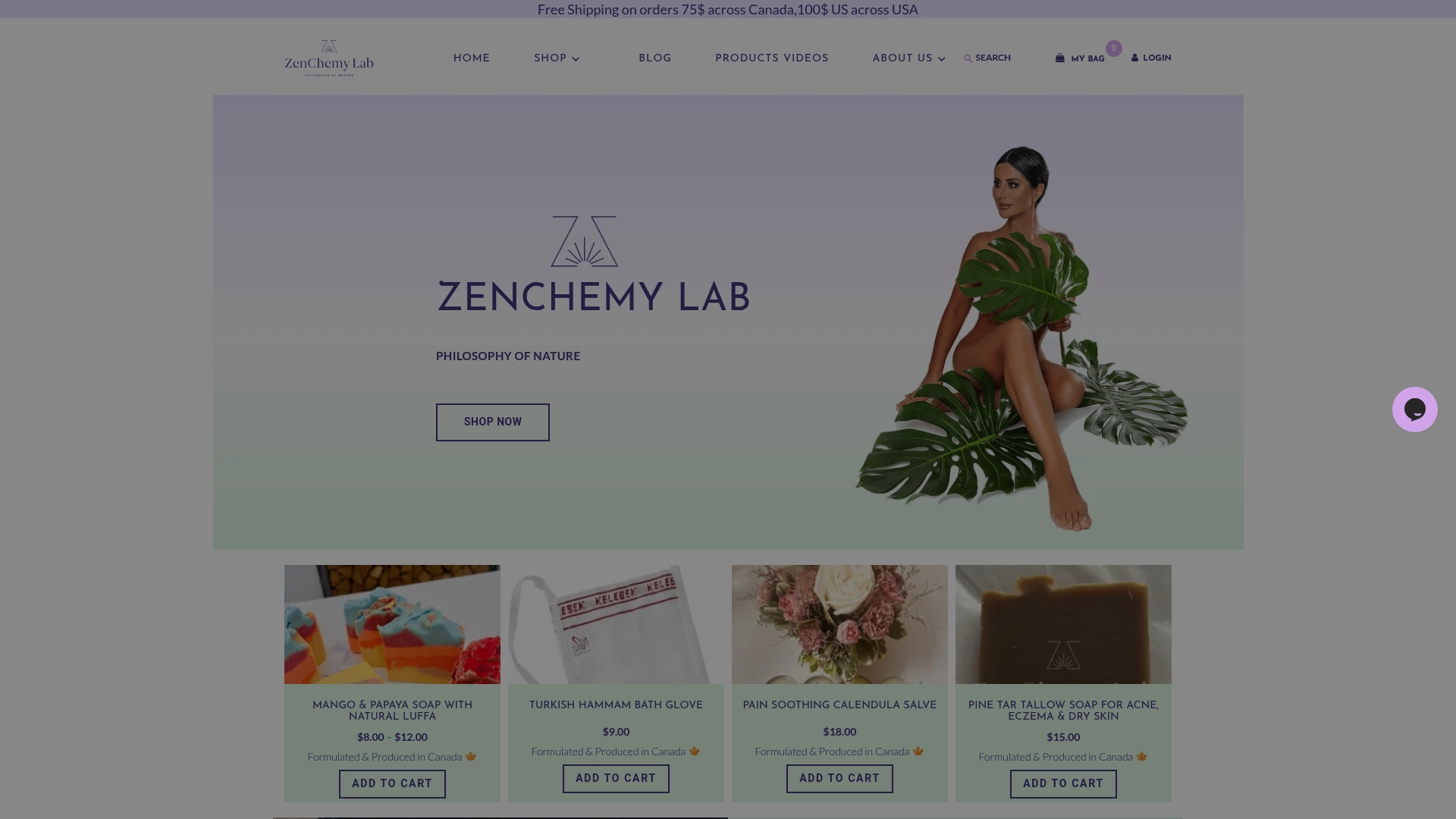
Zenchemylab formulates its botanical cosmetics and body care products around the same principles covered in this article: standardised plant actives, clean preservation, and purity of ingredients. Every product in the collection is crafted from raw natural ingredients, with a focus on what your skin can actually absorb and use. If you want to go deeper on the science behind the ingredients, the natural beauty tips guide covers how sustainability and clinical evidence intersect in modern botanical skincare. You can also browse the full natural skin product range to find formulations suited to your skin type and concerns.
FAQ
What is the role of plant extracts in skincare?
Plant extracts provide antioxidant, anti-inflammatory, and antimicrobial benefits by acting on molecular pathways including ROS scavenging, NF-κB suppression, and collagen synthesis. These mechanisms support skin repair, reduce ageing, and address conditions like acne and uneven pigmentation.
Are plant extracts in skincare actually effective?
Yes, when properly standardised and formulated for skin penetration. Lipid-based nanocarriers like liposomes significantly improve the bioavailability of plant bioactives compared to plain botanical infusions.
Can plant extracts cause skin reactions?
Plant extracts can cause sensitisation or irritation if used at inappropriate concentrations or without standardisation. Essential oils and high-concentration herbal actives carry the highest risk. Patch-testing before full application is always recommended.
How do I know if a botanical skincare product is high quality?
Look for products that list specific extract concentrations, reference HPLC-verified standardisation, and use advanced delivery systems such as liposomes or nanoemulsions. Clinical trial data is the strongest quality signal.
What plant extracts are best for anti-ageing?
Polyphenols like resveratrol and EGCG from green tea, along with Centella asiatica and vitamin C from plant sources, are among the most clinically supported actives for collagen synthesis, oxidative damage repair, and visible anti-ageing effects.