The most effective strawberry legs remedy combines correct shaving technique, targeted chemical exfoliation with an AHA or BHA, and daily moisturisation on damp skin. For most people, consistent home care produces visible smoothing within two to four weeks. Persistent cases, especially those tied to folliculitis or keratosis pilaris, often respond better to laser hair removal or electrolysis after home care has been optimised.
Your immediate action checklist:
- ✅ Shave after a warm shower, using a lubricating shave cream, moving with the grain of hair growth
- ✅ Apply a salicylic acid or glycolic acid product (body lotion or wash) to affected areas two to three times per week
- ✅ Moisturise while skin is still slightly damp; seal with an occlusive at night in dry Canadian climates
- ✅ Replace razor blades regularly; a dull blade is one of the most common, most fixable causes
- ✅ Consider an epilator or waxing if razor-related trauma keeps recurring
- ✅ Book a dermatology appointment if you notice spreading pustules, fever, or no improvement after six weeks of consistent home care
Key takeaways
The most effective strawberry legs remedy combines correct shaving technique, twice-weekly chemical exfoliation with a salicylic or glycolic acid product and daily moisturisation on damp skin, with visible improvement typically appearing within two to four weeks.
| Point | Details |
|---|---|
| Fix shaving first | Sharp blades, lubricating cream, and shaving with the grain resolve many cases before any product is needed. |
| Choose chemical over physical exfoliation | AHAs and BHAs dissolve follicular debris without the micro-tears that aggressive scrubs cause. |
| Moisturise on damp skin | Apply a humectant lotion within 60 seconds of showering; seal with an occlusive at night in dry climates. |
| Expect two to four weeks for home care | Consistent daily moisturisation and twice-weekly actives produce visible smoothing within this window for most people. |
| Zenchemylab body care supports the routine | Botanical body balms and natural scrubs pair with OTC actives to nourish the skin barrier without comedogenic ingredients. |
Table of Contents
- What can you do today to reduce the look of strawberry legs?
- Step-by-step at-home routine for prep, hair removal, and moisturising
- Which OTC actives actually work, and where to find them in Canada?
- Longer-term hair removal and clinical treatments: what are the trade-offs?
- How to prevent recurrence and what timeline should you expect?
- When should you see a dermatologist about strawberry legs?
- How Zenchemylab’s natural body care pairs with your treatment routine
- Zenchemylab’s natural approach to smoother, healthier skin
- What most strawberry legs advice gets wrong
- Sources
What can you do today to reduce the look of strawberry legs?
A few small changes to your shaving and moisturising habits can make a noticeable difference within days, even before any active ingredients have had time to work.
Shaving technique checklist:
- Soak the area in warm water for at least two minutes before picking up a razor; softened hair cuts more cleanly and with far less drag
- Apply a generous layer of lubricating shave cream or gel, never dry-shave
- Shave in the direction of hair growth, using light, single-pass strokes
- Rinse the blade after every stroke to prevent clogging
- Pat skin dry gently; never rub
For same-day smoothing, a soft washcloth used in gentle circular motions during your shower provides light physical buffing without the micro-tears that coarse scrubs can cause. Save the more targeted exfoliants for a separate session, not immediately after shaving.
Dermatologists consistently point to shaving technique as one of the most common, most fixable causes of strawberry legs. Switching to a sharp, flexible blade and shaving with the grain often produces rapid improvement before any product change is even needed.
After hair removal, apply a humectant-rich moisturiser to damp skin. Glycerin and hyaluronic acid pull water into the skin; an occlusive layer of petrolatum or shea butter on top locks it in, which matters especially during Canadian winters when indoor heating strips moisture from the air.
⚠️ Coconut oil warning: Coconut oil is highly comedogenic for pore-prone skin. Using it as a post-shave moisturiser can worsen clogged follicles and make strawberry legs more pronounced. Stick to non-comedogenic formulas.
Pro Tip: Epilators and waxing remove hair from the root, which means the dark follicular shadow fades more completely than it does after shaving. If you find that razor-related trauma keeps recurring, switching to one of these methods even temporarily can break the cycle.
Step-by-step at-home routine for prep, hair removal, and moisturising
A structured weekly routine is what separates short-term improvement from lasting smoothness. Here is how to build one that works for your skin type.
1. Pre-hair-removal prep
Warm water softens the hair shaft and relaxes the follicle opening. A two-minute warm soak or shower before any hair removal reduces drag and irritation. If you tolerate it, a very gentle dry-brush session (soft natural bristles, light pressure, upward strokes) before the shower can dislodge surface dead cells and improve circulation. Sensitive or reactive skin should skip dry brushing entirely and rely on chemical exfoliation instead.
2. Hair removal options
- Shaving — fastest, lowest barrier to entry, but requires the most technique discipline. Use a fresh multi-blade razor with a pivoting head, a lubricating cream, and always shave with the grain. Moisturising shave cream and sharp blades are non-negotiable.
- Epilating — removes hair from the root, so the follicle shadow disappears more completely. Expect some initial redness; it typically settles within an hour. Best suited to those who find shaving repeatedly triggers ingrown hairs.
- Waxing — similar root-removal benefit to epilating, with results lasting three to six weeks. Professional waxing reduces the risk of technique errors that cause ingrown hairs.
3. Exfoliation: chemical vs. physical
Dermatologists favour chemical exfoliants over aggressive physical scrubs because rough scrubbing can increase inflammation and worsen follicular pigment darkening. Here is how to choose:
- Salicylic acid (BHA, 0.5–2%): oil-soluble, penetrates the follicle lining, ideal for oily or acne-prone skin and for folliculitis-related strawberry legs
- Glycolic acid (AHA, 5–10%): water-soluble, resurfaces the top layer of skin, best for dry or normal skin types
- Lactic acid (AHA, 5–10%): gentler than glycolic, a good starting point for sensitive skin
- Urea (10–25%): softens thickened skin associated with keratosis pilaris; pairs well with AHAs
Physical exfoliation (body scrubs, washcloths) is fine when kept gentle. Explore exfoliating body-care options that are formulated to buff without stripping.
Frequency guidance: exfoliate two to three times per week at most. Over-exfoliation can worsen follicular pigment darkening and compromise the skin barrier. Start once a week and progress slowly.
4. Moisturising strategy
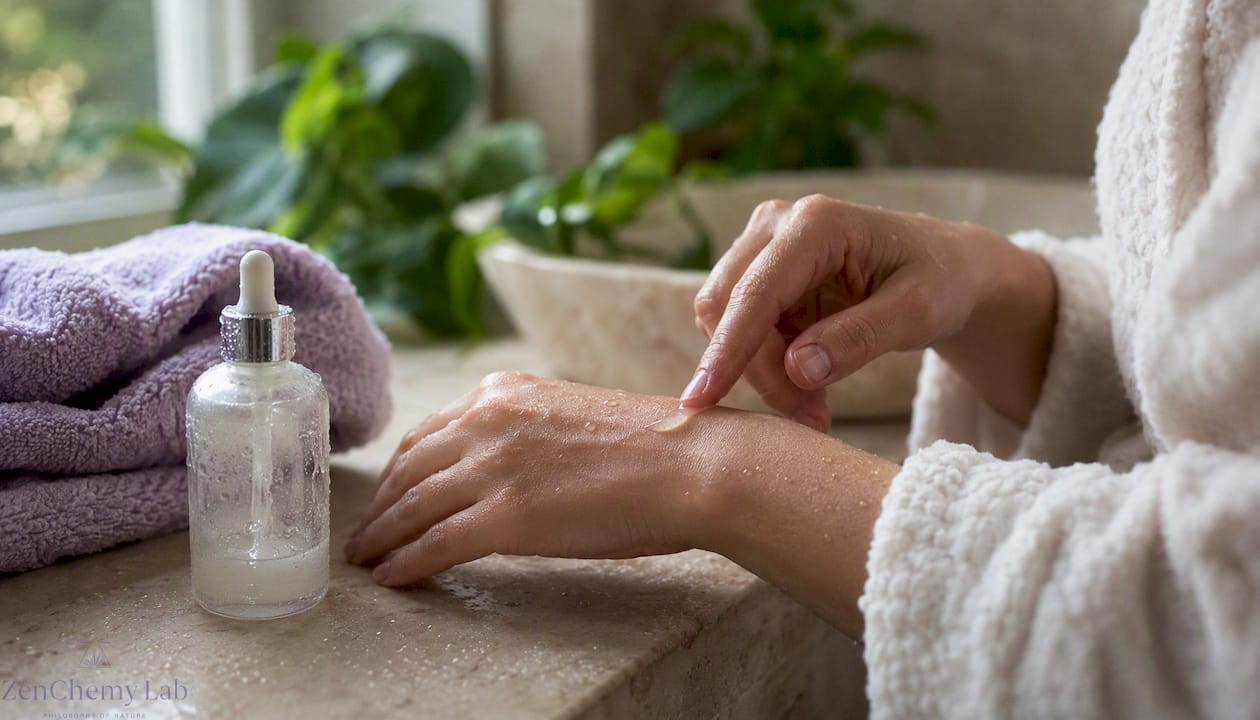
Apply your humectant lotion within 60 seconds of stepping out of the shower, while skin is still slightly damp. At night, follow with a thin layer of an occlusive (petrolatum, shea butter, or a nourishing body balm) to prevent transepidermal water loss (TEWL) overnight. This two-step approach is especially important in Canadian climates where dry air accelerates moisture loss.
Ingredient do/don’t list:
| ✅ Use | ❌ Avoid |
|---|---|
| Glycerin, hyaluronic acid (humectants) | Coconut oil (highly comedogenic) |
| Petrolatum, shea butter (occlusives) | Fragrant essential oils on broken or irritated skin |
| Salicylic acid, glycolic acid, lactic acid | Harsh alkaline soaps that strip the skin barrier |
| Urea for KP-related thickening | Alcohol-heavy toners on freshly shaved skin |
Pro Tip: Patch-test any new active ingredient on a small area of your inner arm for 24–48 hours before applying it to your legs. Salicylic and glycolic acids can cause stinging or redness on sensitised skin, particularly right after hair removal. Wait at least 24 hours after shaving before applying an exfoliating acid.
Which OTC actives actually work, and where to find them in Canada?
The active ingredients with the strongest evidence for treating open comedones and follicular pigmentation are salicylic acid, glycolic acid, lactic acid, urea, and petrolatum-based occlusives. All are available at Canadian pharmacies such as Shoppers Drug Mart, Rexall, and Jean Coutu, as well as through online retailers.
Active ingredient breakdown:
- Salicylic acid (BHA): penetrates the follicle lining and dissolves the sebum-and-dead-cell plug that creates the dark dot. Look for 1–2% in body washes or leave-on lotions. CeraVe SA Lotion (widely available at Canadian pharmacies) combines 2% salicylic acid with ceramides and hyaluronic acid, making it effective without stripping.
- Glycolic acid: resurfaces the outer skin layer and fades post-inflammatory pigmentation. First Aid Beauty KP Bump Eraser uses 10% AHA alongside pumice for a combined chemical and gentle physical approach; it is available at Sephora Canada.
- Lactic acid: a milder AHA that hydrates while it exfoliates, suitable for sensitive or dry skin types.
- Urea (10–25%): breaks down the keratin build-up characteristic of keratosis pilaris. AmLactin lotion (available in Canada) combines lactic acid and urea for a dual-action approach.
- Petrolatum: the most effective occlusive for sealing in moisture overnight. Plain Vaseline petroleum jelly, available at every Canadian pharmacy, works as well as any premium occlusive for this purpose.
A practical note for Canadian shoppers: Home treatments that include moisturising shave cream, regular moisturisation, and OTC salicylic or glycolic acid address the root causes of strawberry legs without requiring a prescription. Start with one active at a time to identify what your skin responds to best.
How to layer actives with natural body-care products safely:
- Cleanse with a gentle, pH-balanced wash
- Apply your chemical exfoliant (leave-on lotion or pad) and allow it to absorb for five minutes
- Follow with a humectant moisturiser
- Seal with an occlusive at night
Never apply a salicylic or glycolic acid product immediately after waxing or epilating; wait 24 hours to avoid irritation on sensitised follicles.
Longer-term hair removal and clinical treatments: what are the trade-offs?
When home care improves but does not fully resolve the appearance, longer-term hair removal methods and in-office treatments are worth considering. Each has a different commitment level, cost, and timeline.
Option-by-option breakdown:
- Waxing: removes hair from the root, reducing the follicular shadow for three to six weeks. Repeated waxing can gradually weaken the follicle, leading to finer regrowth. Risk: ingrown hairs if aftercare is skipped.
- Epilating: similar root-removal benefit at home. Consistent use over several months can reduce hair density. Best for those who want a waxing-like result without salon appointments.
- IPL/laser hair removal: laser targets the hair follicle directly, reducing hair density and the dark follicular shadow over multiple sessions. Laser treatments typically require multiple sessions spaced several weeks apart for durable results. Laser works best on darker hair against lighter skin; IPL has a broader wavelength range. Available at medical spas and dermatology clinics across Canada.
- Electrolysis: the only method recognised as permanent by Health Canada. Uses an electric current to destroy individual follicles. Slower than laser for large areas but effective for all hair and skin colour combinations.
- Microneedling: occasionally used in-office to improve skin texture and reduce post-inflammatory pigmentation associated with strawberry legs, though it is not a hair-removal method.
When prescription treatment is needed:
- Bacterial folliculitis may require a topical antibiotic (clindamycin, erythromycin) or, in severe cases, an oral antibiotic prescribed by a physician.
- Fungal folliculitis (pityrosporum folliculitis) requires an antifungal, not an antibiotic; a clinician’s diagnosis is necessary to distinguish the two.
- Inflammatory KP with significant redness may benefit from a short course of a low-potency topical steroid, used only under medical supervision.
🚩 Red flags requiring a medical consult:
- Spreading pustules or crusting that worsens over 48–72 hours
- Fever or swollen lymph nodes alongside skin lesions
- Recurrent painful nodules that do not resolve between hair-removal sessions
- No improvement after six consistent weeks of home care
Pro Tip: Ask your dermatologist or laser technician specifically about the Nd:YAG laser if you have a deeper skin tone. It is safer for Fitzpatrick skin types IV–VI and is available at many Canadian clinics.
How to prevent recurrence and what timeline should you expect?
Prevention is mostly about consistency. The habits that clear strawberry legs are the same ones that keep them from returning.
Daily habits:
- Moisturise every day, applied to damp skin within 60 seconds of showering
- Use a gentle, non-alkaline body wash; avoid overly hot water and harsh soaps that strip the skin barrier
- Store razors in a dry place and replace blades regularly to maintain sharpness and prevent irritation.
- Wear breathable, non-abrasive fabrics against freshly shaved or epilated skin
Weekly maintenance:
- Exfoliate two to three times per week with your chosen AHA or BHA product
- Follow a body scrub ritual that matches your skin type; a skin-type guide can help you calibrate frequency and pressure
- Apply an occlusive overnight at least twice a week during Canadian winter months
Realistic timeline:
- Days 3–7: improved skin texture from better shaving technique and immediate moisturisation
- Weeks 2–4: visible reduction in dark follicular dots with consistent AHA/BHA use
- Months 2–3: significant smoothing with a complete routine; post-inflammatory pigmentation fades gradually
- 6+ months (laser/electrolysis): durable reduction in follicular shadow as hair density decreases
Canadian winters are particularly hard on leg skin. Dry indoor air accelerates TEWL, which makes follicles more prone to clogging. Doubling down on your occlusive step from November through March is not optional; it is part of the prevention strategy.
When should you see a dermatologist about strawberry legs?
Most cases of strawberry legs respond to home care. A dermatologist becomes necessary when the pattern changes or when home care has been genuinely consistent and has not worked.
Red-flag signs to act on promptly:
- Spreading pustules, crusting, or skin that is warm to the touch
- Fever or systemic symptoms alongside skin lesions
- Lesions that bleed, do not heal, or change in colour rapidly
- No improvement after six weeks of daily moisturisation and twice-weekly chemical exfoliation
What a dermatologist will assess:
- Folliculitis (bacterial or fungal), which requires targeted antimicrobial treatment
- Keratosis pilaris, which responds to urea-based and AHA-based prescriptions
- Acne-related clogged pores on the legs
- Post-inflammatory hyperpigmentation and whether prescription-strength retinoids or azelaic acid would accelerate fading
- Scarring that may benefit from in-office laser resurfacing or microneedling
Possible prescription treatments:
- Topical clindamycin or erythromycin for bacterial folliculitis
- Oral antibiotics (doxycycline, trimethoprim) for widespread or recurrent bacterial folliculitis
- Ketoconazole cream or shampoo for fungal folliculitis
- Short-course low-potency topical corticosteroid for inflammatory KP flares (under supervision only)
- In-office laser, electrolysis, or microneedling for persistent follicular pigmentation
What to tell your dermatologist:
- How long you have had the appearance and whether it worsens seasonally
- Your complete hair-removal history (shaving frequency, method, blade care)
- Every product you currently apply to the area, including actives and moisturisers
- Any prior reactions to salicylic acid, glycolic acid, or fragrance
- Whether you have had similar skin concerns elsewhere on your body
How Zenchemylab’s natural body care pairs with your treatment routine
Natural body-care products and dermatologist-recommended actives are not competing approaches. They work best when layered thoughtfully, with medicated actives doing the follicle-clearing work and gentle botanical products supporting the skin barrier around them.
How to layer Zenchemylab products with OTC actives:
- Step 1 — Cleanse: use a gentle, pH-balanced handcrafted soap or body wash that does not strip the skin barrier. Harsh alkaline soaps undermine everything that comes after.
- Step 2 — Exfoliate (on exfoliation days): apply your salicylic or glycolic acid product and allow it to absorb fully before the next step.
- Step 3 — Moisturise: follow with a humectant-rich body lotion or balm from Zenchemylab’s body care collection. Look for formulas built around glycerin, plant-based butters, or botanical extracts that hydrate without clogging pores.
- Step 4 — Seal (night routine): an occlusive body balm applied over damp skin locks in the moisture and active ingredients applied in earlier steps.
Zenchemylab’s body scrubs offer a gentle physical exfoliation option for non-acid days, using natural granules that buff without the micro-tears that coarse synthetic scrubs cause. Pair them with a skin-type-matched scrub schedule to avoid over-exfoliation.
Medical priority note: if you are treating active folliculitis or a clinician-diagnosed skin infection, prescribed antimicrobials and your dermatologist’s instructions take precedence over any natural product routine. Natural body care is a supportive layer, not a substitute for medical treatment.
Pro Tip: On days when you use a salicylic or glycolic acid product, skip the physical scrub entirely. Combining chemical and physical exfoliation in the same session increases the risk of barrier disruption and irritation, especially on freshly shaved skin.
Zenchemylab’s natural approach to smoother, healthier skin
The routine this guide describes works best when the products supporting it are genuinely gentle. Zenchemylab’s handcrafted natural skin care line is built around non-toxic, cruelty-free ingredients that complement the dermatologist-recommended actives covered here, without the synthetic fillers, harsh surfactants, or comedogenic oils that can undo your progress.

For readers working through a strawberry legs treatment plan, the body care range offers botanical body balms, nourishing scrubs, and artisan cleansers that slot naturally into the daily and weekly regimen above. Every product is formulated with ingredient-conscious consumers in mind: no coconut oil for pore-prone formulas, no unnecessary fragrance on sensitised skin.
Browse the body care collection to find the moisturiser, scrub, or balm that fits your skin type and your routine. If you want to understand how natural ingredients and evidence-based skincare habits connect, the natural beauty science guide is a practical next read.
What most strawberry legs advice gets wrong
The conventional framing around strawberry legs tends to treat it as a cosmetic inconvenience to be scrubbed away. That framing leads people straight to the wrong tools: coarse sugar scrubs used daily, coconut oil slathered on as a “natural” moisturiser, and dry-shaving because it is faster. Each of these makes the underlying problem worse.
What the evidence actually supports is a quieter, more patient approach. The dark dots are open comedones, clogged follicles filled with oxidised sebum and dead skin cells. Scrubbing harder does not empty them; it inflames the surrounding tissue and deepens the pigmentation. A salicylic acid lotion applied consistently over two to three weeks does more for follicular clearing than any physical scrub session.
The other thing most guides underplay is the shaving variable. Technique changes alone, specifically switching to a sharp blade, adding a lubricating cream, and shaving with the grain, can produce visible improvement within a week. That is faster than any active ingredient. If you have not optimised your shaving routine yet, that is genuinely where to start, not with a new product.
Finally, the Canadian climate context matters and rarely gets mentioned. Dry winter air accelerates transepidermal water loss, which makes follicles more prone to clogging and skin more reactive to actives. The occlusive overnight step is not a luxury add-on for Canadian readers; it is a functional part of the routine from October through April.
Sources
The following references support the guidance in this article and offer further reading for Canadian readers:
- Strawberry legs: What are they and how do they impact my health? – WebMD
- Strawberry legs: Treatment, Symptoms, Causes, and Laser
- How to get rid of strawberry legs, according to derms
- Strawberry legs causes, treatments, and recovery | UPMC Italy
- How to get rid of strawberry legs | Braun UK