
TL;DR:
- A body scrub ritual checklist guides safe exfoliation by matching techniques and products to skin type. Proper aftercare with moisturizers and SPF restores the skin barrier and prevents damage, making exfoliation effective. Consistency and correct sequence help maintain healthy skin and maximize the benefits of your scrub routine.
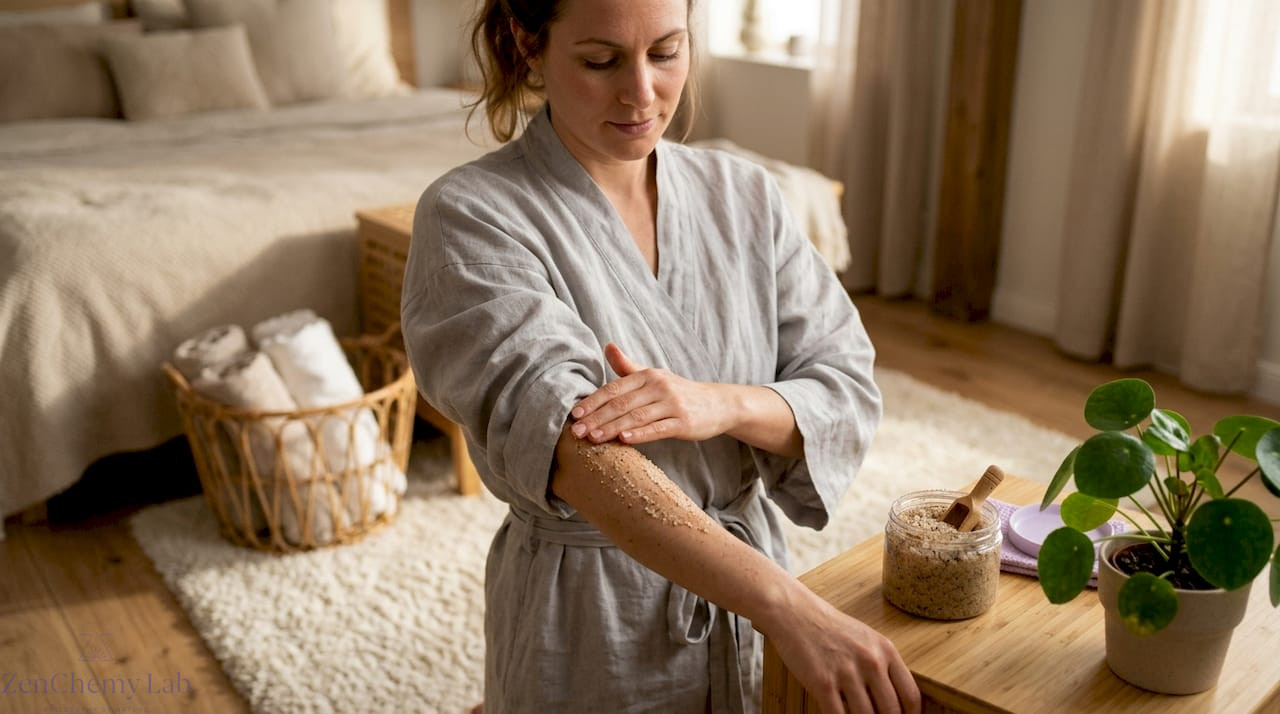
A body scrub ritual checklist is a structured, step-by-step exfoliation guide designed to help you remove dead skin cells safely, improve skin texture, and build a relaxing self-care ritual. Dermatologists define this process formally as mechanical or physical exfoliation, and the science behind it is clear: the right technique, frequency, and aftercare determine whether your skin glows or suffers. This guide covers every stage of a complete body scrub routine, from choosing the right scrub for your skin type through to post-exfoliation SPF protection.
1. How to tailor your body scrub ritual checklist by skin type
Exfoliation frequency is not one-size-fits-all. Dermatologists recommend specific schedules by skin type: sensitive skin once every 7–10 days, dry skin once per week, normal or combination skin 1–2 times per week, and oily or acne-prone skin 2–3 times per week. Exceeding these frequencies damages the skin barrier, which functions like a “brick and mortar” structure of lipids and cells that keeps moisture in and irritants out.
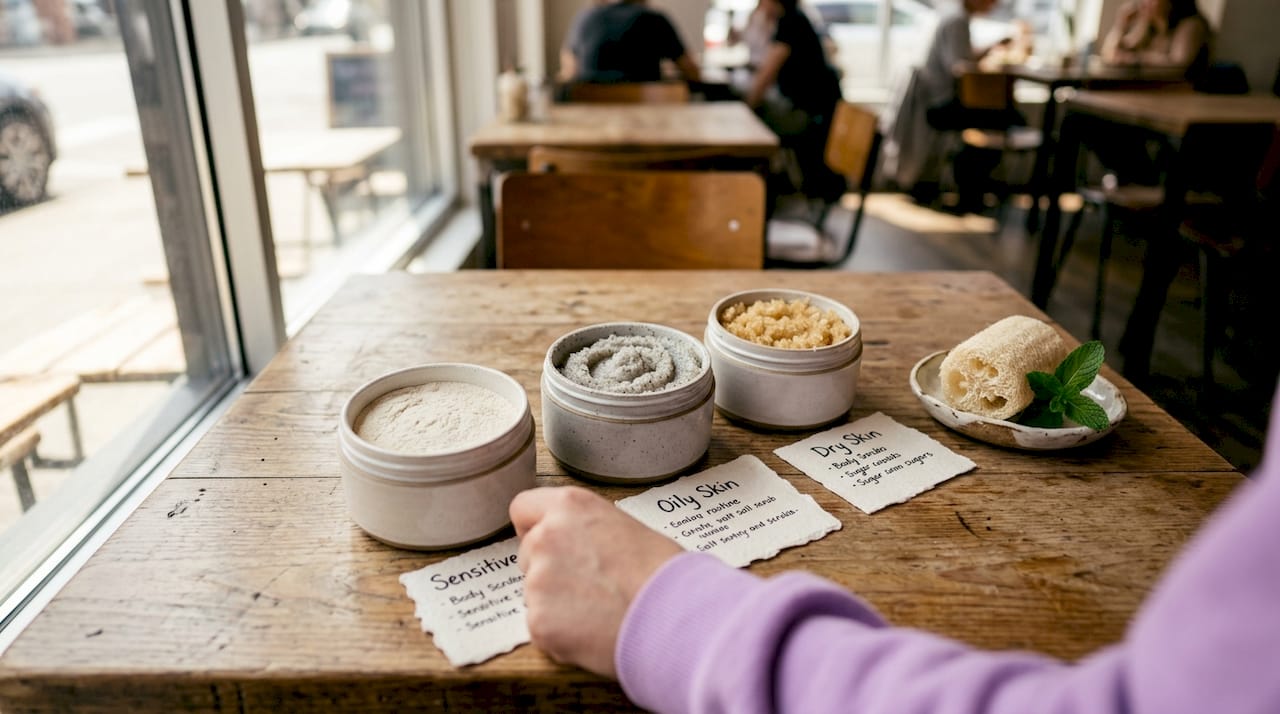
Choosing the right scrub type matters as much as frequency. Here is a quick reference:
| Skin type | Recommended scrub type | Key ingredients to look for |
|---|---|---|
| Sensitive | Fine-grain or enzyme-based | Oat flour, chamomile, aloe vera |
| Dry | Creamy, oil-rich physical scrub | Shea butter, jojoba beads, sweet almond oil |
| Normal/combination | Medium-grain physical scrub | Sugar, sea salt, coconut oil |
| Oily/acne-prone | Clay-based or AHA-infused scrub | Kaolin clay, glycolic acid, tea tree |
Beyond scrub type, your application technique shapes results. Gentle, circular motions work the granules into the skin without tearing it. Vigorous back-and-forth scrubbing causes micro-tears and inflammation, which worsens oily and acne-prone skin in particular.
- ✅ Sensitive skin: avoid walnut shell or apricot kernel scrubs, which have irregular edges
- ✅ Dry skin: choose oil-based formulas that cleanse and nourish simultaneously
- ✅ Oily skin: use lighter, water-based scrubs to avoid clogging pores further
- ✅ All skin types: stop immediately if you feel stinging, burning, or tightness
Pro Tip: If your skin feels tight or looks red after exfoliation, you have gone too far. Scale back frequency by one session per week and switch to a finer-grain formula.
2. Step-by-step body scrub ritual checklist for effective exfoliation
A well-ordered exfoliation checklist protects your skin and makes every product work harder. Follow these steps precisely for the best results.
1. Warm your skin with lukewarm water
Water at around 38°C softens dead skin cells and opens the surface for scrub contact without stripping the barrier lipids that hold moisture in. Water above 40°C dehydrates the skin before you even begin. Spend two to three minutes under the shower before reaching for your scrub.
2. Cleanse with a pH-balanced body wash
Cleansing before exfoliation creates a clean canvas so the scrub targets dead skin cells rather than pushing surface dirt into your pores. A pH-balanced formula, ideally between 4.5 and 5.5, preserves the acid mantle. Rinse thoroughly before moving to the next step. For guidance on choosing the right cleanser, Zenchemylab’s gentle cleansing guide covers natural options in detail.
3. Apply the scrub in gentle circular motions
Scoop a small amount of scrub and apply it to damp skin. Circular massage motions allow the granules to lift dead cells effectively. Work upward from the feet toward the heart, which also supports lymphatic circulation. Use light to medium pressure only. Spend about 30 seconds per body zone, focusing on rough areas like elbows, knees, and heels.
4. Rinse with lukewarm water and pat dry
Rinse completely to remove all scrub residue. Pat your skin dry with a soft towel rather than rubbing, which can irritate freshly exfoliated skin. Your skin is now at its most receptive state for absorbing the products that follow.
5. Apply chemical exfoliants if appropriate
If you use AHAs such as glycolic acid or lactic acid, apply them after the physical scrub. Wait 60–90 seconds after the physical scrub before applying a chemical exfoliant to allow the skin surface to settle. This layered approach targets different depths of dead skin build-up. Limit this combination to oily or normal skin types, and never use it on sensitive or compromised skin.
6. Move immediately to moisturisation
Do not let freshly exfoliated skin air-dry for long. Apply your moisturiser within two minutes of patting dry to lock in hydration while the skin barrier is open and receptive.
Pro Tip: Keep your scrub application under two minutes per session. Longer contact time does not improve results and increases the risk of irritation.
3. Essential aftercare in your body scrub ritual checklist: moisturisers and SPF
Post-exfoliation aftercare is where most people fall short. Exfoliation removes the outermost layer of dead cells, which temporarily reduces the skin’s natural defence against moisture loss (known as transepidermal water loss, or TEWL) and UV damage. Skipping aftercare undoes the benefits of the scrub entirely.
Moisturisers that repair the skin barrier
Ceramides, hyaluronic acid, and niacinamide have clinical validation for barrier recovery after exfoliation. Ceramides rebuild the lipid layer. Hyaluronic acid draws moisture into the skin. Niacinamide reduces redness and supports the skin’s natural repair process. Look for at least two of these three ingredients in your post-scrub body moisturiser.
- ✅ Apply moisturiser to slightly damp skin for better absorption
- ✅ Choose occlusive formulas (containing shea butter or beeswax) for dry skin types
- ✅ Use lighter, gel-based moisturisers for oily or acne-prone skin
- ✅ Avoid fragranced products immediately after exfoliation, as sensitised skin absorbs irritants more readily
SPF is non-negotiable after exfoliation
Exfoliation removes the outermost protective layer of skin, making it significantly more vulnerable to UVA and UVB damage. Without broad-spectrum SPF 30+ applied daily after exfoliation, pigmentation increases, particularly in melanin-rich skin. Indoor UVA rays penetrate windows and cause the same pigmentation response as outdoor sun exposure.
Post-exfoliation pigmentation affects a significant proportion of people with melanin-rich skin who skip SPF after exfoliation. This is not a cosmetic concern alone. Repeated UV exposure on freshly exfoliated skin accelerates photoageing and increases the risk of long-term pigmentation disorders. Apply broad-spectrum SPF 30 or higher every morning, even on cloudy days or when staying indoors.
4. Scheduling and maintaining your body scrub ritual checklist for sustainable skin health
Consistency matters more than intensity in any exfoliation routine. Over-exfoliating is one of the most common mistakes, leading to barrier dehydration, redness, and increased sensitivity. Think of exfoliation as a weekly reset, not a daily chore.
Recommended scheduling by skin type
| Skin type | Frequency | Best time of day |
|---|---|---|
| Sensitive | Once every 7–10 days | Evening (reduces UV exposure risk) |
| Dry | Once per week | Evening |
| Normal/combination | 1–2 times per week | Morning or evening |
| Oily/acne-prone | 2–3 times per week | Morning (before SPF application) |
Recovering from over-exfoliation
If your skin barrier is already compromised, pause all exfoliation for at least one to two weeks. Focus entirely on gentle cleansing, barrier-repair moisturisers, and SPF. Reintroduce exfoliation at the lowest recommended frequency for your skin type, using only fine-grain or enzyme-based formulas.
Combining your scrub ritual with spa day essentials
A complete self-care ritual pairs body exfoliation with complementary steps for maximum relaxation and skin benefit:
- Add a bath soak with Epsom salts or botanical oils before your scrub session to pre-soften skin
- Follow exfoliation with a nourishing body oil applied over your moisturiser for extra barrier support
- Drink a glass of water before and after your ritual to support skin hydration from within
- ️ Dim the lights and use a calming scent like lavender to shift the ritual from a task into genuine relaxation
Pairing these home spa tips with a consistent schedule turns a simple exfoliation step into a full sensory reset. You are more likely to maintain a habit when it feels rewarding rather than clinical.
Key takeaways
A body scrub ritual checklist works best when it matches your skin type, follows the correct sequence of steps, and includes barrier-repair moisturisation and daily SPF as non-negotiable aftercare.
| Point | Details |
|---|---|
| Match frequency to skin type | Sensitive skin exfoliates once every 7–10 days; oily skin can handle 2–3 times per week. |
| Cleanse before you scrub | Cleansing first removes surface dirt so the scrub targets dead cells, not debris. |
| Use circular motions only | Gentle circular pressure lifts dead cells without causing micro-tears or inflammation. |
| Apply SPF after every session | Freshly exfoliated skin is more vulnerable to UV damage and pigmentation without SPF 30+. |
| Prioritise barrier-repair ingredients | Ceramides, hyaluronic acid, and niacinamide restore the skin barrier after exfoliation. |
Why I think most people are doing their body scrub ritual backwards
After years of working with natural skincare formulations, the pattern I see most often is this: people invest in a quality scrub, use it enthusiastically, and then skip the aftercare because they feel clean and call it done. That is exactly backwards.
The scrub is the preparation. The moisturiser and SPF are the actual treatment. Exfoliation creates the conditions for your skin to absorb nourishing ingredients at a deeper level. If you stop at the rinse, you have opened the door and walked away before anything useful walked in.
The other mistake I see constantly is intensity. People assume that scrubbing harder or more often means faster results. It does not. It means a damaged skin barrier, increased sensitivity, and a cycle of irritation that takes weeks to undo. The role of exfoliation in skincare is to support the skin’s natural renewal process, not to force it.
My honest recommendation: start with the lowest frequency for your skin type, use a formula with clean, recognisable ingredients, and treat the moisturisation step as the centrepiece of the ritual. You will see better results in two weeks than most people see in two months of aggressive scrubbing.
— Alex
Zenchemylab’s natural body care range for your scrub ritual
Zenchemylab formulates its body care products around raw, botanical ingredients chosen specifically for skin barrier support and sensory experience.

Whether you are building your first exfoliation checklist or refining an existing routine, Zenchemylab’s natural body care collection includes scrubs, soaps, and botanical oils matched to different skin types and needs. Each product is made with ingredients you can read and recognise. For a broader look at how science and natural ingredients work together in 2026 skincare, Zenchemylab’s natural beauty guide is a strong next step. You can also explore the full range of organic skin products to find formulas that fit your skin type and ritual schedule.
FAQ
How often should I use a body scrub?
Exfoliation frequency depends on your skin type. Sensitive skin benefits from once every 7–10 days, while oily or acne-prone skin can handle 2–3 times per week.
Should I cleanse before or after using a body scrub?
Cleanse before applying your scrub. Cleansing first removes surface dirt so the scrub can target dead skin cells directly rather than moving debris around.
What should I apply after a body scrub?
Apply a moisturiser containing ceramides, hyaluronic acid, or niacinamide within two minutes of patting dry. Follow with broad-spectrum SPF 30 or higher if exfoliating in the morning.
Can I use a body scrub if I have sensitive skin?
Yes, but choose a fine-grain or enzyme-based formula and limit sessions to once every 7–10 days. Avoid scrubs with irregular particles such as walnut shell or apricot kernel, which can cause micro-tears.
What is the difference between physical and chemical exfoliation?
Physical exfoliation uses granules or textures to manually lift dead cells. Chemical exfoliation uses AHAs like glycolic or lactic acid to dissolve the bonds holding dead cells to the skin surface. Both can be used together, with the physical scrub applied first and the chemical exfoliant applied 60–90 seconds after rinsing.
3 Comments