Face massage with oil delivers measurable, if modest, skin benefits: better radiance, softer fine lines, and a genuine well-being boost when you do it consistently for a few minutes a day. The strongest clinical data comes from a small two-week study showing visible improvements in texture and glow. Dry, mature, or stressed-out skin tends to see the most noticeable change, though anyone with active breakouts or freshly treated skin should hold off.
TL;DR:
- Regular face massage with oil improves skin radiance, texture, and plumpness mainly through hydration and circulation, not collagen regeneration.
- Using lighter oils like jojoba or squalane is best for oily or acne-prone skin, while richer oils like argan or rosehip suit dry or mature skin types.
- Consistency and slow, mindful routines matter more than duration, with just three minutes daily showing measurable benefits within two weeks.
- Avoid oil and massage if you have active breakouts, recent skin treatments, or open wounds to prevent inflammation or irritation.
- Short-term effects include improved glow and mood, but lasting structural skin changes require prolonged, sustained practice.
Table of Contents
- What face massage oil benefits actually include
- How to do a face massage with oil, step by step
- Which face oil for massage suits your skin type
- Safety, allergy checks, and treatment interactions
- Where Zenchemylab fits into this routine
- The real story behind facial oil massage
- Sources
What face massage oil benefits actually include
The benefits break down into two categories: what the oil does chemically, and what the massage does mechanically. Confusing the two is where most skincare advice goes wrong.
Oil itself works as an emollient and an occlusive. It doesn’t add water to your skin the way a humectant like hyaluronic acid does. Instead, it seals the surface and slows transepidermal water loss, which is the steady evaporation that leaves skin looking dull and feeling tight by afternoon. Less water loss means a more supple, light-reflecting surface, which is most of what people mean when they say a face oil gives “glow.”
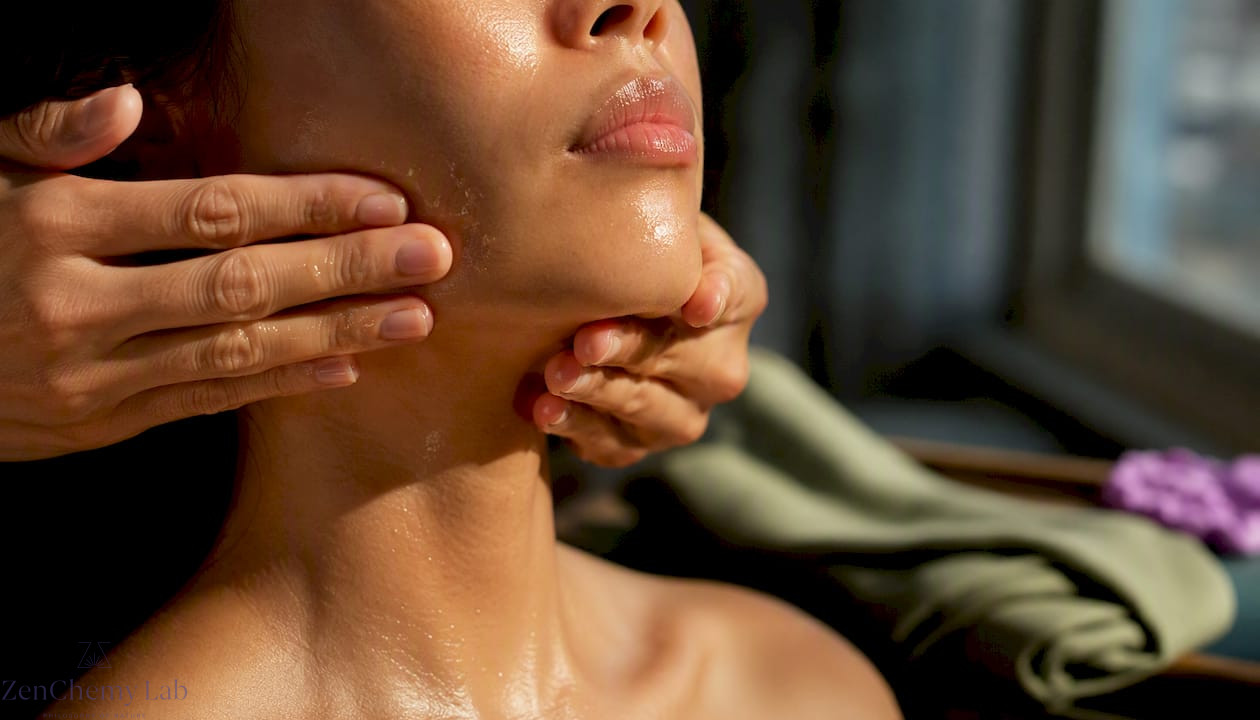
The massage part is where circulation and touch come in. Rubbing warms the skin, dilates surface capillaries, and temporarily increases blood flow to the area you’re working on. That’s a short-term contour and colour effect, not a permanent one, but it’s real and it’s visible within minutes.
Here’s what the combination tends to produce:
- Radiance and texture: improved light reflection from smoother, better-sealed skin
- Fine lines and plumpness: softer look from increased circulation and reduced surface dehydration, not collagen rebuilding
- Barrier support: fewer moisture-loss symptoms like flaking or tightness
- Reduced puffiness: technique-dependent, from lymphatic-style strokes that encourage fluid movement
- Lower stress markers: gentle repetitive touch nudges your nervous system toward a calmer state
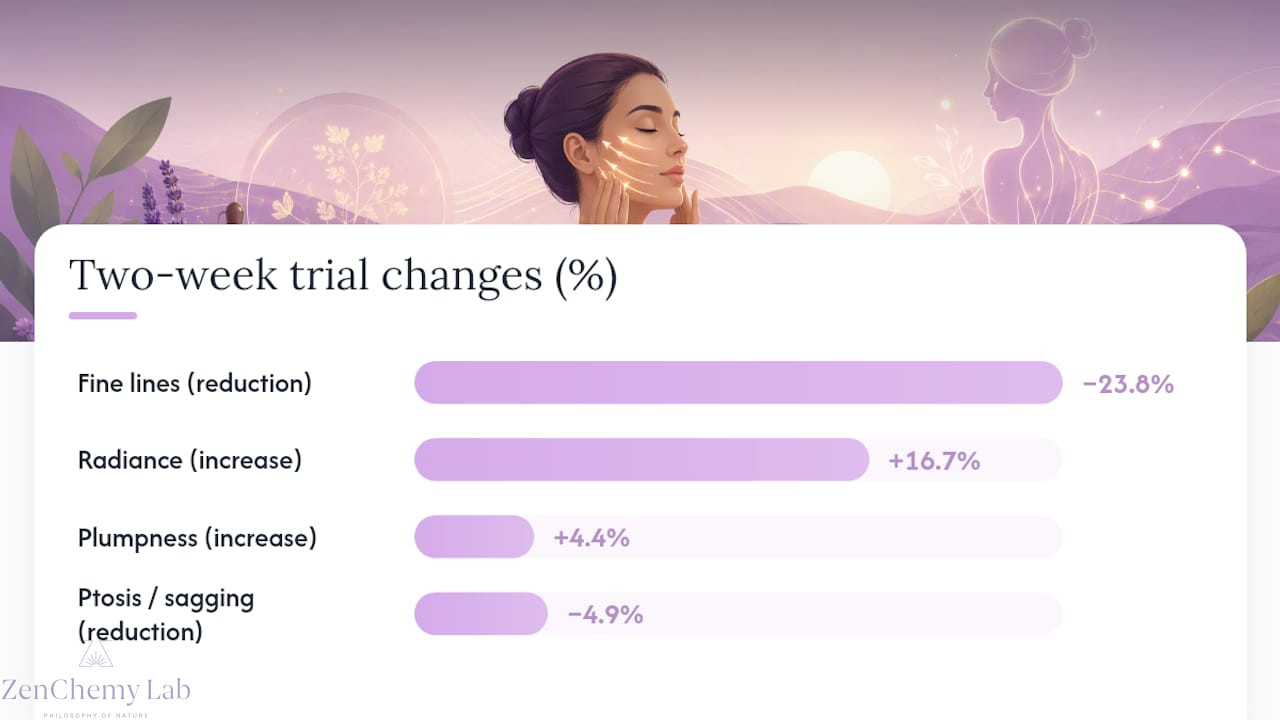
A 2023 trial on facial self-massage found that participants doing a daily three-minute routine for two weeks saw fine lines drop by 23.8%, radiance climb 16.7%, plumpness increase 4.4%, and ptosis (sagging) decrease 4.9%. Well-being scores improved alongside the skin measurements, which tells you the ritual itself, not just the ingredient, is doing part of the work.
How to do a face massage with oil, step by step
You don’t need a spa appointment or elaborate tools to get results. You need clean skin, a few drops of oil, and a few consistent minutes.
Before you start:
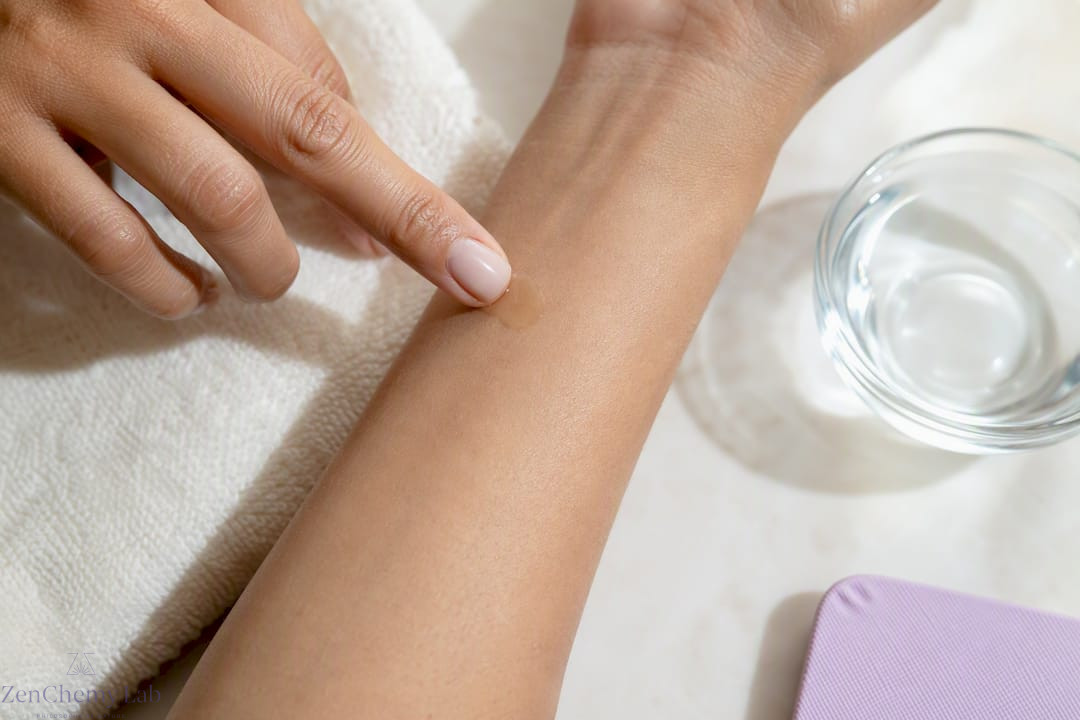
Cleanse your face and pat it mostly dry, leaving a little dampness. Warm two to four drops of oil between your palms until it turns slightly fluid. If you’re trying a new oil, patch-test it on your inner arm for 24 hours first.
The routine:
- Press your warmed palms gently against your cheeks and hold for a few seconds to let the oil begin absorbing.
- Sweep both hands upward and outward from your chin toward your ears, repeating six to eight times.
- Use your fingertips to make small circles at your jaw hinge and temples, where tension tends to build.
- Sweep from the centre of your face outward toward your lymph nodes near the ears and collarbone, using light pressure, to support drainage.
- Finish with a few slow, flat-palm strokes across the whole face to smooth in any remaining product.
Aim for two to five minutes daily if you’re new to this, or extend to five to ten minutes, three or four times a week, once it feels routine. Consistency matters more than duration.
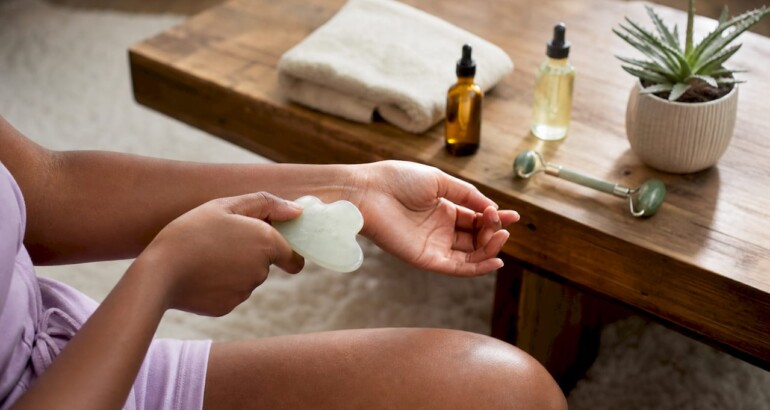
Tools like gua sha stones or jade rollers can add targeted pressure once you’re comfortable with hand technique, but they change the outcome slightly. They tend to concentrate pressure along bony contours (jawline, cheekbones) rather than distributing it the way palms do.
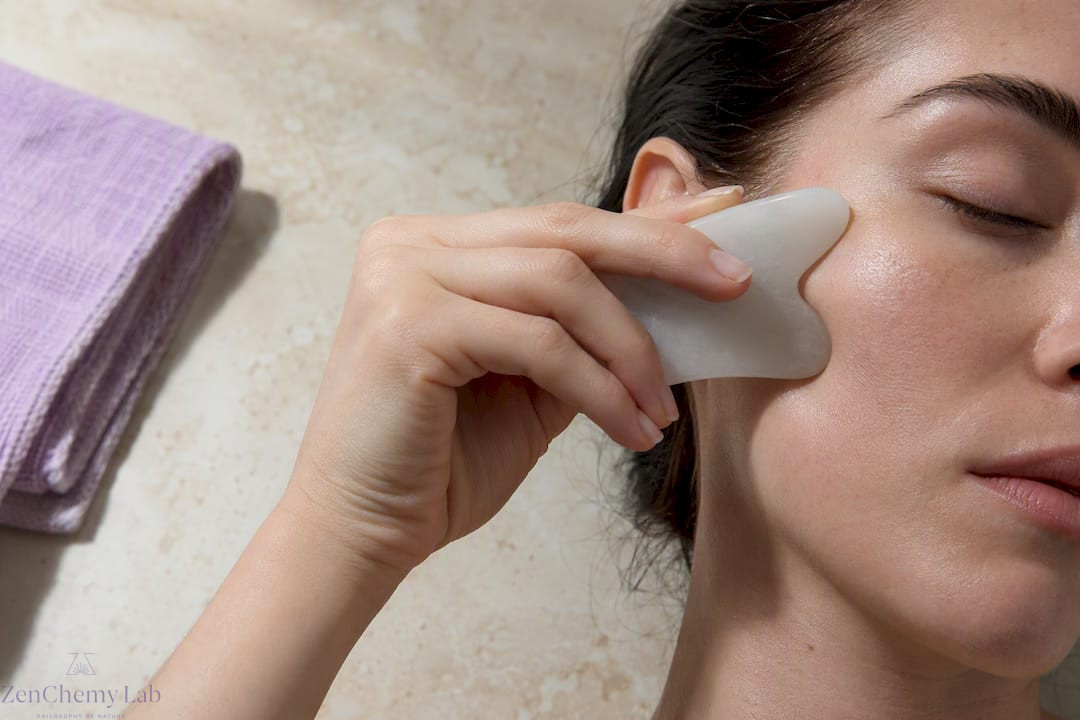
Pro Tip: Slow down more than you think you need to. A slower tempo with lighter pressure engages the parasympathetic nervous system more effectively than fast rubbing, and that’s part of what drives the well-being improvements seen in the research.
Which face oil for massage suits your skin type
The best oils for face massage vary by skin type, and picking the wrong one can undo the benefits you’re chasing.
For oily or acne-prone skin, look for lighter, non-comedogenic options. Jojoba oil closely mimics natural sebum and tends to sit well without clogging pores. Squalane and grapeseed oil are similarly light and absorb fast, which makes them good picks if you’re worried about breakouts.
For dry or mature skin, richer oils earn their place. Sweet almond oil is nourishing and easy to layer under a moisturizer. Argan oil brings vitamin E and a lightweight feel despite its richness. Rosehip oil is worth calling out separately for its natural retinoid precursors and fatty acid content, both useful for skin that’s lost some elasticity.
A few cautions:
- Coconut oil is antibacterial but has a higher comedogenic potential, so acne-prone skin should generally avoid it on the face.
- Not all natural oils are automatically better for your barrier. Olive oil, in particular, has been shown in some conditions to compromise rather than support barrier function.
- Check labels for “cold-pressed” or “fractionated,” which affect how the oil behaves on skin, and distinguish carrier oils (used generously) from essential oils (used in tiny diluted amounts).
Introduce a new oil gradually. Apply it after cleansing and before your regular moisturizer for the first few uses, watching for redness or breakouts before making it a permanent step. Browse emollient-focused formulas if barrier repair is your main goal.
Safety, allergy checks, and treatment interactions
Patch-test any new oil on your inner forearm for 24 hours before using it on your face. Redness, itching, or bumps signal allergic contact dermatitis, and you should stop use immediately if that happens.
Skip massage entirely over active acne lesions, eczema flares, or open wounds, since friction and occlusion can worsen inflammation. If you’ve had a retinoid, chemical peel, or laser treatment recently, wait at least a few days, or longer if your dermatologist advises, before massaging oil into that skin. Essential oils should always be diluted in a carrier oil, and anyone pregnant or with reactive skin should check ingredient lists carefully. If you’re using prescription actives like retinoids or AHAs, talk to a dermatologist before adding oil massage, since combining exfoliants with added friction can raise irritation risk.
Where Zenchemylab fits into this routine
Zenchemylab focuses on botanical skincare, including face and massage oils formulated for different skin needs. When evaluating any oil for this routine, check the ingredient list for your skin type match, note whether fragrance is added, and confirm the oil is meant for facial use rather than body only.
The real story behind facial oil massage
Most of what circulates online about facial oil massage oversells the permanence of the results and undersells how good the short-term effects actually are. That’s backwards. A three-minute daily habit that measurably improves radiance and mood in two weeks doesn’t need to promise collagen remodelling to be worth doing. Chasing “anti-aging” claims that outrun the data is where this category tends to lose credibility.
What the evidence actually supports is simpler and more honest: gentle, consistent touch with the right oil for your skin type gives you a real sensory and cosmetic win, repeatable daily, with a well-being bonus most skincare steps don’t offer. The mistake I see most often is people treating oil choice as the whole equation and skipping the massage technique, when the touch itself is doing a good share of the work.
Prioritize consistency over intensity, match the oil to your skin type honestly, and treat this as a stress-management ritual with skin perks attached, not a wrinkle cure.
— Alex
For a broader look at how botanical ingredients fit into a full routine, see Zenchemylab’s guide to natural beauty, and explore the massage oil collection to find a formula suited to your skin type.
Sources
The 2023 trial that anchors most of this conversation involved 50 women aged 40 to 60 with Fitzpatrick skin types II to III. They did a three-minute daily self-massage with a botanical oil blend for 14 days straight, and researchers measured both objective skin readings and self-reported outcomes. The numbers above come directly from that protocol.
Other small studies point in a similar direction without adding much precision. Roller-based facial massage has been shown to temporarily increase blood flow, and some pilot work suggests repeated mechanical stimulation may affect underlying muscle thickness over time. Sample sizes in this research tend to be small, and results are often device-specific or tied to a narrow age range, so treat them as supportive rather than definitive.
- The objective and subjective impact of a daily self-massage on visible signs of stress on the skin and emotional well-being
- Are face oils good for your skin? (Cleveland Clinic)
The honest takeaway: short-term appearance and mood benefits are well supported. Structural, long-lasting changes to skin firmness are not, at least not from massage alone over two weeks. If you want more than a temporary glow, plan on making this a sustained habit rather than a two-week experiment.