
TL;DR:
- Effective natural body care requires ingredients backed by clinical evidence and proper formulation.
- Aloe vera and jojoba oil are versatile, proven botanicals suitable for various skin types.
- Patch testing and understanding ingredient concentrations are essential for safe, effective natural skincare.
Choosing the right natural ingredients for your body care routine feels like navigating a dense forest of claims, certifications, and trendy botanicals. Every label promises purity, but not every product delivers real results. Your skin deserves more than good intentions. It needs ingredients backed by clinical evidence and chosen with care. This guide cuts through the noise by spotlighting the most effective, artisanal-friendly natural ingredients available today. You’ll learn how to evaluate what you’re putting on your skin, which botanicals genuinely perform, and how to build a ritual that honours both your body and the natural world.
Table of Contents
- How to assess natural body care ingredients
- Aloe vera: Soothe, heal, and hydrate naturally
- Jojoba oil: Nature’s balancing hydrator
- Centella asiatica and tea tree: Botanicals for repair and clarity
- The uncomfortable truth about ‘natural’: What most buyers miss
- Elevate your routine with artisanal body care from ZenChemy Lab
- Frequently asked questions
Key Takeaways
| Point | Details |
|---|---|
| Ingredient purity matters | Clinically supported concentrations and label transparency are essential when choosing natural body care ingredients. |
| Botanicals offer multi-benefit | Aloe vera, jojoba, Centella asiatica, and tea tree oil provide hydration, repair, clarity, and soothing benefits for various skin types. |
| Patch testing prevents irritation | Even pure natural ingredients can trigger sensitivities, so always test before use, especially for essential oils. |
| Artisanal rituals enhance efficacy | Using fresh, artisanal products in self-care routines amplifies both the effectiveness and enjoyment of natural body care. |
How to assess natural body care ingredients
Before you reach for any botanical, you need a clear framework for evaluation. Reading a label is a skill. Ingredients are listed in descending order by concentration, so the first five on any list do most of the work. If your star ingredient appears near the bottom, it’s likely present in trace amounts that won’t deliver meaningful results.
Efficacy isn’t just about what’s in the bottle. It’s about how much is in there. Clinical studies test ingredients at specific concentrations, and those concentrations matter enormously. A cream with 0.1% of a powerful botanical won’t perform the same as one formulated at 2% or 5%. This is where artisanal makers who understand their ingredients truly shine.
When assessing any natural body care ingredient, look for these core benefits:
- ✅ Barrier support: Ingredients that reinforce the skin’s “brick and mortar” structure, keeping moisture in and irritants out
- ✅ Soothing properties: Botanicals that calm redness, reduce inflammation, and ease sensitivity
- ✅ Antioxidant activity: Protection against free radical damage caused by UV exposure and pollution
- ✅ Hydration: Humectants and emollients that draw and lock in moisture
According to dermatologist-recommended ingredients, natural ingredients excel in multi-functional benefits like antioxidant, soothing, and barrier support that make them ideal for artisanal self-care rituals. However, efficacy requires clinical concentrations, and sensitive skin may react to allergens like essential oils.
“The most beautifully packaged natural product is only as good as its formulation. Concentration is everything.”
If you have reactive skin, start with natural solutions for sensitive skin before introducing new botanicals.
Pro Tip: Always patch test a new ingredient on your inner forearm for 24 to 48 hours before applying it to larger areas. Even certified natural ingredients can trigger reactions in certain skin types.
Aloe vera: Soothe, heal, and hydrate naturally
Aloe vera is one of the most studied plants in skincare, and for good reason. Its clear gel contains over 75 active compounds, including vitamins, enzymes, and polysaccharides that work together to support skin health from multiple angles. It’s not just a sunburn remedy. It’s a genuinely versatile ingredient for everyday body care.
The key active compound in aloe is acemannan, a polysaccharide that drives many of its most impressive effects. Clinical research confirms that aloe vera gel provides antimicrobial, antifungal, antioxidant, moisturising, and wound-healing benefits. Notably, acemannan boosts hyaluronic acid synthesis in the skin, which means it actively supports your skin’s natural moisture-holding capacity.
📊 Statistic callout: Aloe vera’s polysaccharides stimulate hyaluronic acid production, directly improving skin hydration at a cellular level, as confirmed in clinical aloe vera evidence.
Here’s a quick breakdown of aloe vera’s pros and cons for different skin types:
- ✅ Dry skin: Excellent humectant, draws moisture into the skin without heaviness
- ✅ Oily or acne-prone skin: Lightweight, antimicrobial, and non-comedogenic
- ✅ Sensitive skin: Soothing and anti-inflammatory, reduces redness and irritation
- ✅ Post-sun exposure: Speeds wound healing and calms UV-stressed skin
- ⚠️ Very dry or mature skin: May need pairing with an occlusive ingredient to seal in moisture
In artisanal body care, aloe vera works beautifully in handmade soaps, body masks, and leave-on gels. It blends well with other botanicals and adds a cooling, soothing quality to any formulation. If you’re building a natural body care routine, aloe vera is one of the safest and most rewarding ingredients to start with. It also features prominently in organic body care essentials for a reason. It simply works.
Jojoba oil: Nature’s balancing hydrator
Jojoba oil is technically a liquid wax, not an oil. That distinction matters because it makes jojoba structurally unique among plant-based skincare ingredients. Its molecular composition closely resembles human sebum, the natural oil your skin produces to protect and lubricate itself. This similarity is what makes jojoba so effective across such a wide range of skin types.
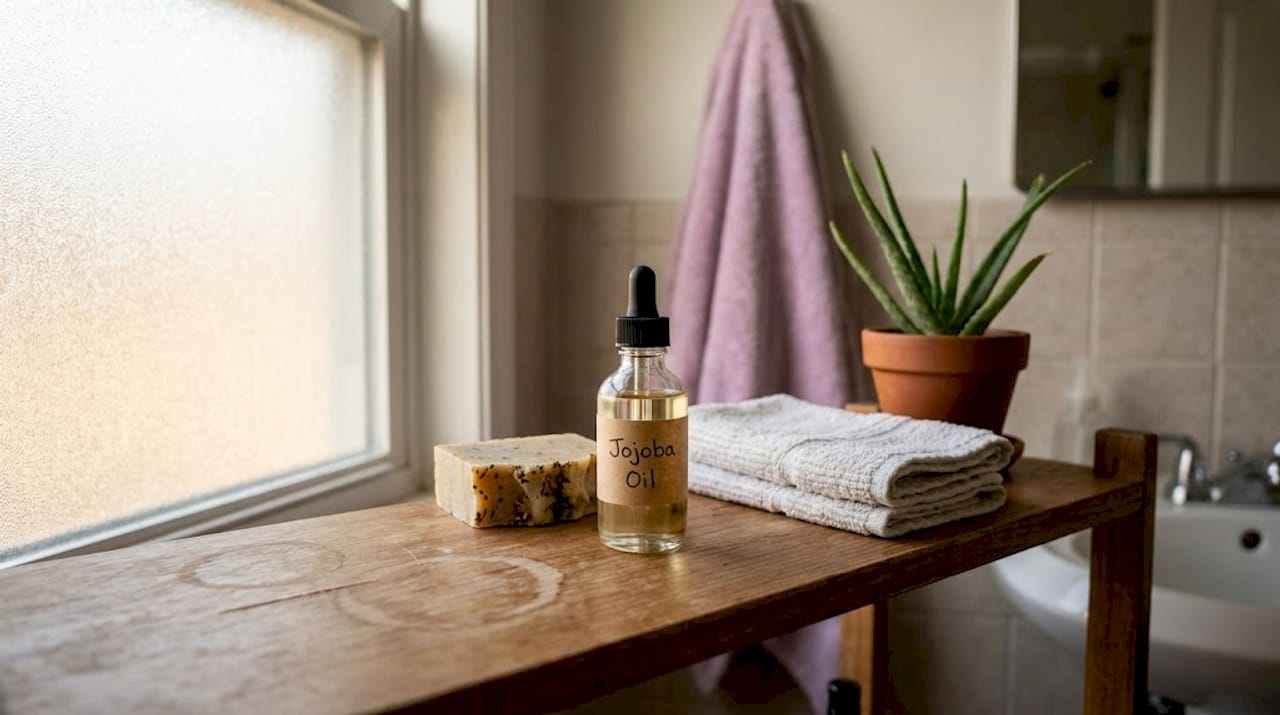
Because jojoba mimics human sebum, it communicates with your skin’s oil-regulating mechanisms. For oily skin, this can actually signal the skin to produce less sebum. For dry skin, it provides rich, lasting hydration without a greasy finish. It’s a genuinely intelligent ingredient.
Here’s how jojoba benefits different skin concerns:
- ✅ Dry skin: Deeply moisturising, reinforces the lipid barrier, prevents transepidermal water loss (TEWL)
- ✅ Oily or acne-prone skin: Non-comedogenic, balances oil production, won’t clog pores
- ✅ Sensitive skin: Hypoallergenic, fragrance-free in its pure form, gentle enough for daily use
- ✅ Mature skin: Supports elasticity and delivers antioxidant vitamin E directly to the skin
In artisanal formulations, jojoba oil is a favourite carrier oil for body creams, facial serums, and handmade soaps. It has a long shelf life due to its wax-like stability, which means it resists oxidation far better than many other plant oils. You can learn more about how it fits into artisanal skincare benefits and how it appears across natural soap types.
Pro Tip: For an oil-balancing ritual, apply a few drops of pure jojoba oil to slightly damp skin after showering. The moisture helps the oil absorb more evenly, leaving skin nourished without any heavy residue.
Centella asiatica and tea tree: Botanicals for repair and clarity
Some natural ingredients go beyond basic hydration. Centella asiatica and tea tree oil are two botanicals that deliver targeted, clinically supported results for skin repair and clarity. They serve different purposes but complement each other well in a thoughtful body care routine.
Centella asiatica (also called Cica or Gotu Kola) contains active compounds called triterpenoids, specifically asiaticoside and madecassoside. These compounds are remarkable for their ability to stimulate collagen synthesis and support wound healing. Clinical trials confirm that Centella triterpenoids promote collagen, reduce wrinkles, lower TEWL, and improve both skin elasticity and hydration. For body care, this means firmer, more resilient skin over time.
Tea tree oil works differently. It’s an essential oil with powerful antimicrobial and anti-inflammatory properties. Research shows that tea tree oil targets acne bacteria like C. acnes and S. aureus, making it highly effective for body acne on the back, chest, and shoulders.
“Centella repairs and rebuilds. Tea tree clarifies and protects. Together, they address two of the most common body skin concerns.”
| Feature | Centella asiatica | Tea tree oil |
|---|---|---|
| Primary benefit | Collagen boost, wound repair | Antimicrobial, acne-fighting |
| Best for | Dry, mature, or damaged skin | Oily, acne-prone, or blemish-prone skin |
| Key actives | Asiaticoside, madecassoside | Terpinen-4-ol |
| Precautions | Generally well tolerated | Must be diluted; can irritate undiluted |
| Ritual use | Body creams, serums, balms | Cleansers, toners, spot treatments |
For skin concerns, here’s a quick guide:
- ✅ Centella for post-shaving irritation, stretch marks, and dry patches
- ✅ Tea tree for body acne, ingrown hairs, and oily skin
- ⚠️ Both should be introduced gradually for sensitive skin types
Explore the evidence-based benefits of botanicals to understand how these ingredients fit into a broader natural care approach.
The uncomfortable truth about ‘natural’: What most buyers miss
Here’s something the wellness industry rarely says out loud: natural is not a synonym for safe, and it’s definitely not a synonym for effective. We see it constantly. A beautifully labelled product filled with pure botanicals that simply doesn’t perform because the concentrations are too low or the formulation is poorly designed.
Even the most celebrated natural ingredients carry risks. Essential oils, including tea tree, can cause contact dermatitis when used undiluted. Aloe vera, while gentle, can trigger reactions in people with latex allergies. Centella asiatica, despite its clinical pedigree, occasionally causes sensitivity in reactive skin types.
The real measure of a natural product isn’t its ingredient list. It’s the evidence behind the formulation and the care taken in creating it. Patch testing isn’t optional. It’s the most important step in any new skincare ritual, regardless of how pure the ingredients are.
At ZenChemy Lab, we believe that informed buyers make the best skincare decisions. Reading clinical studies and checking solutions for sensitive skin before committing to a new ingredient is always worth the extra effort. Trust the science, not just the story on the label.
Elevate your routine with artisanal body care from ZenChemy Lab
Now that you understand what makes a natural ingredient genuinely effective, it’s time to put that knowledge to work in your daily ritual.

At ZenChemy Lab, we craft artisanal body care products using clinically supported botanicals like aloe vera, jojoba oil, Centella asiatica, and more. Every formulation is designed with both purity and performance in mind. Whether you’re starting fresh with natural skincare routine tips, ready to commit to building your body care routine, or exploring our full range of organic body care essentials, we’re here to help you find what your skin truly needs. Radiant, healthy skin starts with the right ingredients and the right guidance.
Frequently asked questions
Which natural body care ingredients are most effective for sensitive skin?
Aloe vera and Centella asiatica are excellent starting points because both soothe and repair without harsh actives, but even these should be patch tested, as aloe vera’s benefits and Centella’s collagen support don’t guarantee zero sensitivity for every skin type.
Can jojoba oil cause breakouts for acne-prone skin?
Jojoba oil is generally safe for acne-prone skin because it mimics sebum and balances oils without clogging pores, making it one of the few oils suitable for blemish-prone skin types.
How should I incorporate tea tree oil in my body care routine?
Always dilute tea tree oil before use and apply it as a targeted spot treatment or in a rinse-off cleanser, since its antimicrobial action against acne bacteria is effective even at low concentrations.
Is natural always better than synthetic for body care?
Not automatically. Natural ingredients excel in multi-functional benefits but must be used at proven concentrations, and some synthetic ingredients may actually be better tolerated by certain sensitive skin types.
Recommended
- Build your natural body care routine: radiant skin – ZenChemy Lab
- Top 5 benefits of artisanal skincare for radiant skin – ZenChemy Lab
- Rose Facial Toner. – ZenChemy Lab
- Spirulina Dry Face Mask. 35 grams – ZenChemy Lab
- Natural skin care guide: Radiance with simple routines – LUMIEVE
- Glowing skin over 40: proven natural ingredients guide