TL;DR:
- Herbal infusions extract plant compounds into oils or water, delivering targeted skin benefits through botanical extraction. Different solvents target specific compounds, with oil extracting fatty acids and vitamins, and water extracting flavonoids and tannins. Layering various infusions enhances skincare by combining hydrating and barrier-supporting properties.
Herbal infusion in skincare is the process of drawing therapeutic plant compounds into a solvent, such as oil or water, to deliver concentrated botanical benefits directly to your skin. The industry term for this process is botanical extraction, and it forms the foundation of many natural formulations, from toners and mists to facial oils and body balms. Key compounds transferred through this method include fatty acids, flavonoids, tannins, and vitamins A and E. These actives support skin nourishment, hydration, and barrier repair. Herbal infusions offer a gentler alternative to essential oils, delivering mild concentrations with synergistic botanical compounds that work with your skin rather than overwhelming it.
What is herbal infusion in skincare and how does it work?
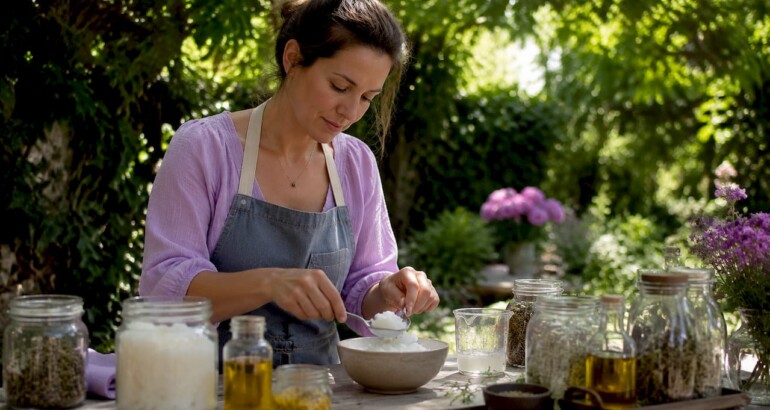
A herbal infusion is not simply herbs sitting in oil. It is a targeted extraction process where the solvent pulls specific phytochemicals out of plant material based on their chemical compatibility. The result is a carrier medium, whether oil, water, or glycerin, that is now loaded with active botanical compounds ready to interact with your skin.
The two primary solvents used in skincare infusions are oil and water. Each targets a completely different set of plant compounds. Oil-based infusions extract fatty acids and vitamins A and E that support skin barrier repair and elasticity. Water-based infusions, sometimes called herbal teas or hydrosols in casual skincare conversation, extract hydrophilic compounds like flavonoids and tannins that hydrate and soothe.
Understanding this distinction is the single most important concept in herbal skincare formulation. If you try to extract a water-soluble compound like aloe mucilage into oil, you will get almost nothing useful. The chemistry simply does not allow it. This is why knowing your herb and your solvent before you begin is not optional.
What are the main botanical infusion methods used in skincare?
The four core botanical infusion methods are cold maceration, warm maceration, water infusion, and glycerite preparation. Each method suits different herbs, compounds, and end products.
Oil maceration: cold vs. warm
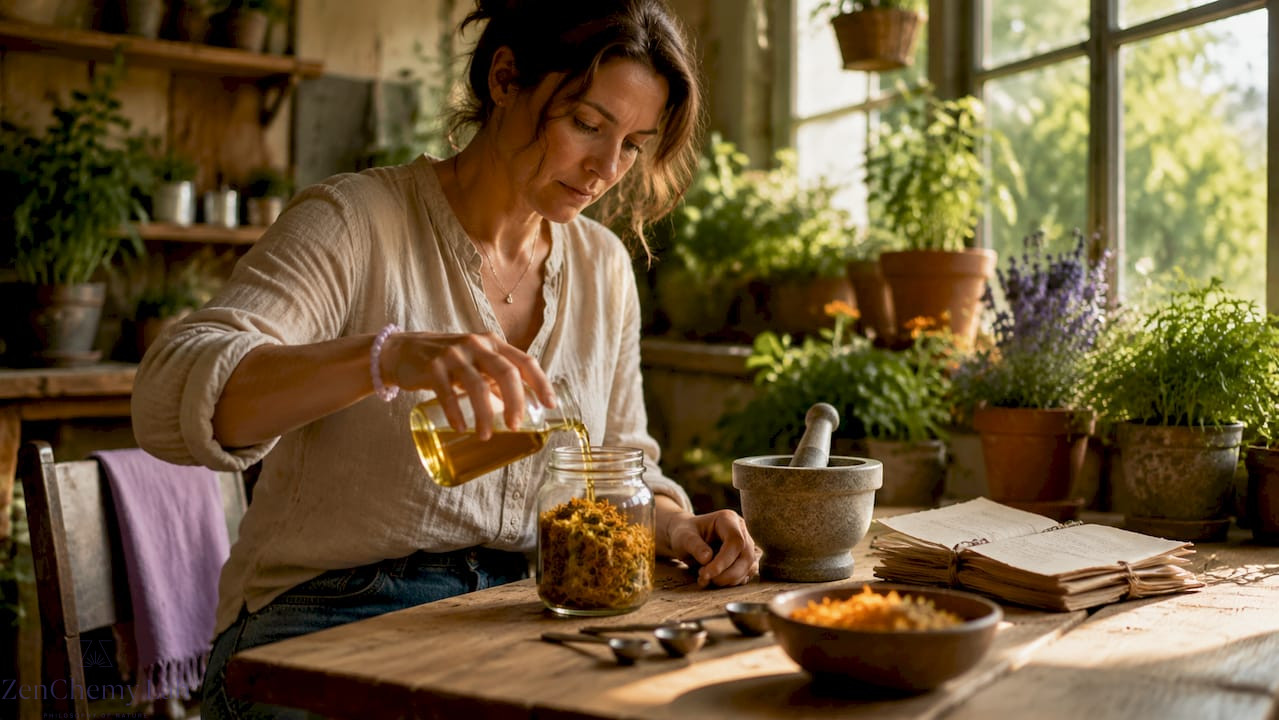
Cold maceration involves submerging dried herbs in a carrier oil at room temperature for two to six weeks. Cold maceration preserves heat-sensitive plant aromatics and polyphenols, making it ideal for delicate herbs like calendula, lavender, and chamomile. The trade-off is time. You need patience for this method to deliver full potency.
Warm maceration uses controlled heat to speed up extraction. Warm infusion uses controlled heat between 60°C and 80°C to extract resins and heavier compounds from tougher plant materials like roots, barks, and seeds. Comfrey root and rosehip seeds respond well to this approach. The key risk is overheating, which degrades the very actives you are trying to capture.
Water infusion: the herbal tea skincare method
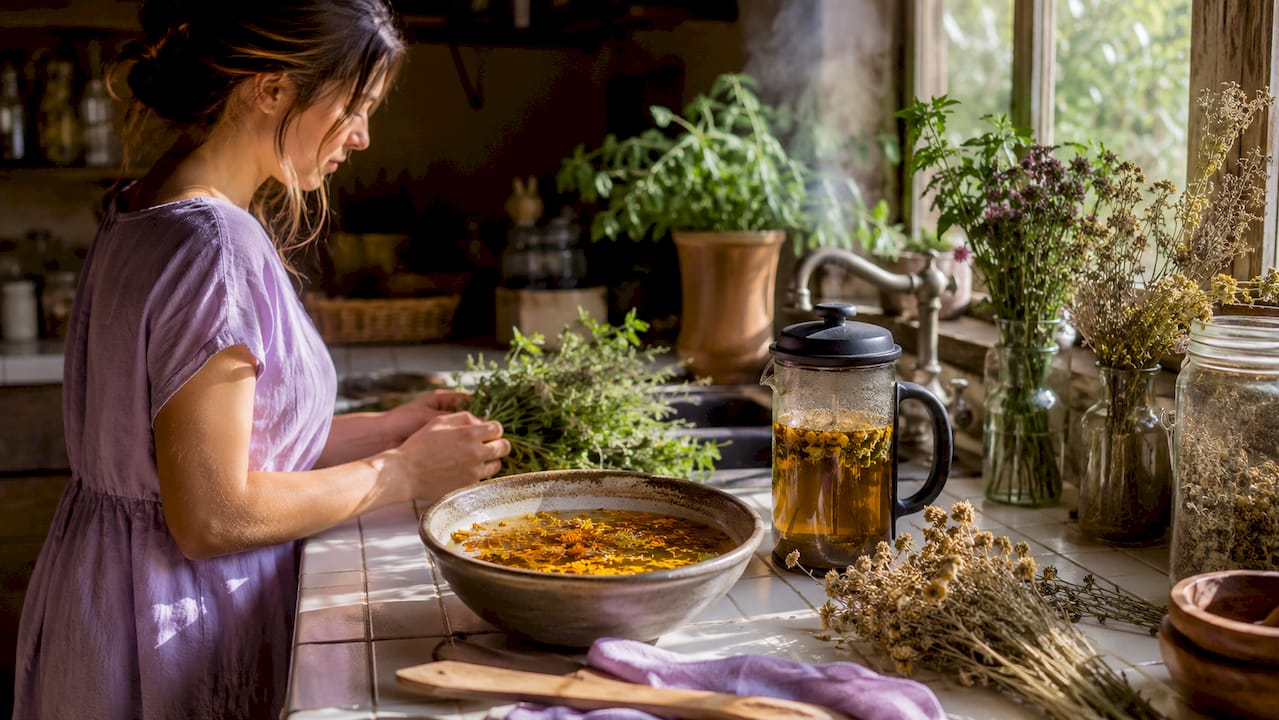
Water-based infusions work exactly like brewing tea. You steep dried botanicals in hot or warm water, strain the plant material, and use the resulting liquid as a toner, mist, or water phase in a lotion. Water-based infusions extract hydrophilic compounds like flavonoids and tannins that offer hydrating and soothing effects. Rose petals, hibiscus, and green tea are popular choices for this method.
Comparison of infusion methods
| Solvent | Compounds extracted | Best for | Example herbs |
|---|---|---|---|
| Carrier oil (cold) | Polyphenols, fat-soluble vitamins, aromatics | Barrier repair, elasticity | Calendula, lavender, chamomile |
| Carrier oil (warm) | Resins, heavier lipid compounds | Deep nourishment, anti-ageing | Comfrey root, rosehip seed |
| Water | Flavonoids, tannins, mucilage | Hydration, soothing, toning | Rose, hibiscus, green tea |
| Glycerin | Water and oil-soluble compounds | Humectant serums, sensitive skin | Aloe vera, marshmallow root |
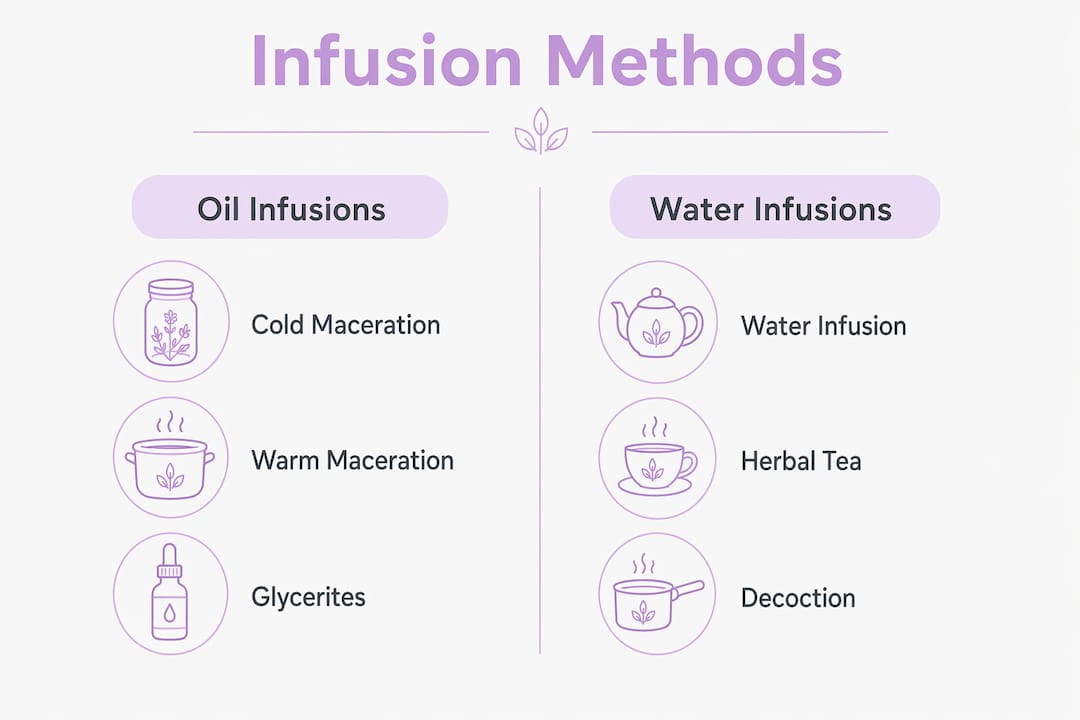
Pro Tip: If you want the benefits of both oil and water-soluble compounds from a single herb, prepare two separate infusions and layer them in your formulation. A glycerite and an oil macerate of the same herb together deliver a far broader spectrum of actives than either alone.
Why does solvent choice define the quality of your herbal infusion?
Solvent polarity is the science behind every successful herbal infusion. Polarity describes how a molecule distributes its electrical charge. Water is highly polar and attracts other polar molecules like tannins, mucilage, and water-soluble vitamins. Oils are non-polar and attract lipid-soluble compounds like carotenoids, fat-soluble vitamins, and certain antioxidants.
Matching the solvent type to herb chemistry is the key to potent infusions. Getting this wrong is the most common mistake in DIY herbal skincare. You can steep calendula in water and get a lovely soothing rinse, but you will miss the fat-soluble carotenoids that make calendula oil so effective for barrier repair. The same herb, two very different results, depending entirely on your solvent.
“Herbal infusions are potent botanical delivery systems, not merely oils with herbs. Layered infusions can meet complex skin needs by combining hydrating and occlusive extracts in a single formulation.” — Herbal Extraction for Cosmetic Formulators
Layering different herbal extracts such as glycerites and oil macerates addresses multiple skin needs at once. A formulator building a face serum for dry, irritated skin might combine a chamomile glycerite for its water-soluble anti-inflammatory compounds with a calendula oil macerate for its lipid-soluble barrier-supporting carotenoids. The result is a product that hydrates, soothes, and repairs simultaneously.
Advanced formulators also use sequential extraction, where alcohol is applied first to access a broader range of compounds, followed by oil to capture the lipid-soluble fraction. This professional technique unlocks the full botanical spectrum of a single plant.
How do preparation techniques affect the safety and potency of your infusion?
The details of how you prepare a herbal infusion determine whether you end up with a potent, stable product or a rancid, contaminated one. Four variables matter most: herb state (fresh vs. dried), heat application, temperature control, and infusion duration.
1. Always use dried herbs for oil infusions
Using dried herbs is recommended over fresh to prevent rancidity and microbial contamination in oil infusions. Fresh herbs carry water content. Water in an oil infusion creates the perfect environment for bacterial growth. The product can become unsafe within days. Drying herbs to below 10% moisture content before infusing is the standard practice in professional formulation.
2. Match your heat method to your herb
Cold maceration suits delicate herbs with volatile aromatics. Warm maceration suits dense, fibrous plant material. Controlled heat application must balance extraction speed with preservation of heat-sensitive phytochemicals. Exceeding 80°C risks destroying the polyphenols and vitamins you are working to extract.
3. Choose your carrier oil deliberately
Carrier oils like olive, sunflower, jojoba, and coconut are the most commonly used bases for oil infusions. Each brings its own fatty acid profile and skin feel. Jojoba is technically a liquid wax and is exceptionally stable, making it a reliable choice for long infusions. Sunflower oil is lightweight and high in linoleic acid, which suits acne-prone or sensitive skin. Your carrier oil is not just a vehicle. It is an active ingredient in its own right.
4. Respect infusion time
Cold maceration typically requires two to six weeks for full extraction. Warm maceration can achieve comparable results in four to eight hours. Rushing a cold infusion by cutting it short means you leave active compounds behind in the plant material.
Pro Tip: Water content is the main inhibitor of shelf stability in homemade infusions. Spread fresh herbs on a clean rack in a warm, ventilated space for 24–48 hours before infusing to reduce moisture risk without using artificial heat.
How to use herbal infusions in your daily skincare routine
Once you have a finished infusion, the question becomes how to use it effectively. The good news is that both oil and water-based infusions slot naturally into a standard skincare routine.
Using infused oils:
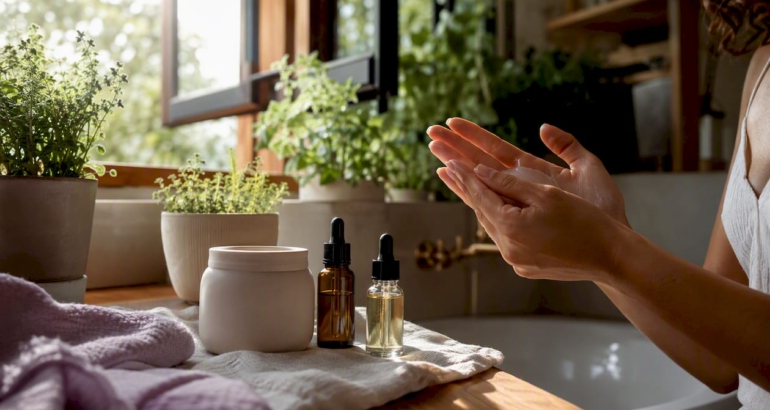
- ✔ Apply a few drops of calendula or rosehip-infused oil as a facial moisturiser after your water-based serum. The oil locks in hydration and delivers fat-soluble actives to the skin barrier. Explore face oil products to see how this works in a finished formulation.
- ✔ Blend your infused oil into a DIY body butter or lotion as the oil phase. Carrier oils like jojoba and sunflower work particularly well here.
- ✔ Use a raspberry oil infusion for its high antioxidant content and natural SPF properties, particularly for daytime moisture support.
Using water-based infusions:
- ✔ Strain your rose or hibiscus extract infusion and apply it as a toner after cleansing. Pat it gently onto damp skin for maximum absorption.
- ✔ Pour a cooled herbal water infusion into a small spray bottle and use it as a refreshing facial mist throughout the day.
- ✔ Use a strong chamomile or green tea infusion as the water phase when making a homemade lotion or cream.
Herbs matched to skin concerns:
| Skin concern | Recommended herb | Infusion type |
|---|---|---|
| Dryness | Calendula, comfrey | Oil macerate |
| Irritation and redness | Chamomile, oat straw | Water infusion or glycerite |
| Ageing and loss of firmness | Rosehip, sea buckthorn | Oil macerate |
| Dullness and uneven tone | Hibiscus, turmeric | Water infusion |
| Acne-prone skin | Green tea, lavender | Water infusion or light oil macerate |
For safe DIY preparation at home, the organic bath products guide from Zenchemylab covers sanitation, preservation, and packaging in practical detail.
Key takeaways
Herbal infusions are botanical delivery systems that require precise solvent matching, correct herb preparation, and deliberate formulation to deliver real skin benefits.
| Point | Details |
|---|---|
| Solvent determines outcome | Oil extracts lipid-soluble actives; water extracts hydrophilic compounds. Never substitute one for the other. |
| Dried herbs are non-negotiable | Fresh herbs introduce water into oil infusions, causing rancidity and microbial contamination. |
| Heat method must match the herb | Cold maceration protects delicate aromatics; warm maceration (60°C–80°C) suits roots and barks. |
| Layering extracts multiplies benefits | Combining a glycerite and an oil macerate of the same herb delivers a broader spectrum of actives. |
| Carrier oil is an active ingredient | Jojoba, sunflower, and olive each bring distinct fatty acid profiles that affect both extraction and skin feel. |
What I have learned from years of working with botanical infusions
I will be honest with you: the first time I made a herbal oil infusion, I used fresh lavender because it smelled better. Two weeks later, the oil smelled like something had gone wrong in a compost bin. That mistake taught me more about water activity and microbial safety than any textbook.
What I have come to appreciate is that herbal infusion is genuinely a craft with a scientific backbone. The romanticised image of herbs steeping in golden oil is real, but the reason it works is chemistry. Knowing that calendula’s carotenoids are lipid-soluble, or that rose’s tannins only release into water, changes how you approach every formulation. You stop guessing and start making deliberate choices.
The trend I find most exciting right now is the move toward layered infusions in artisanal skincare. Formulators are no longer satisfied with a single-solvent extract. They are building products that combine glycerites, oil macerates, and even alcohol tinctures to capture the full botanical profile of a plant. This is not overcomplicated. It is actually closer to how traditional herbal medicine has always worked.
My practical advice: start with one herb and two solvents. Make a cold-process oil macerate and a simple water infusion from the same dried herb, then compare how each one feels on your skin. The difference is immediate and instructive. Calendula is a perfect starting herb because it is gentle, widely available, and responds beautifully to both methods.
One more thing: source matters enormously. Organically grown, properly dried herbs from a reputable supplier will always outperform cheap, old, or improperly stored botanicals. The quality of your infusion is only as good as the plant material you begin with.
— Alex
Discover Zenchemylab’s botanical skincare formulations
Zenchemylab was built on exactly the principles this article covers: choosing the right botanical, the right solvent, and the right method to create skincare that genuinely works. Every product in the Zenchemylab range draws on herbal infusion techniques, from cold-macerated oils to water-based botanical extracts, to deliver real skin benefits without synthetic shortcuts. If you want to see how these methods translate into finished, artisanal skincare, the natural beauty science guide is a strong starting point. You can also explore the full range of botanical cosmetics to find formulations matched to your specific skin concerns.
FAQ
What is the difference between a herbal infusion and an essential oil?
A herbal infusion is a whole-plant extract made by steeping botanicals in a solvent like oil or water, delivering a broad range of compounds at mild concentrations. An essential oil is a concentrated volatile aromatic compound distilled from plant material, requiring dilution before skin contact.
Can you use herbal infusions on sensitive skin?
Yes. Herbal infusions are gentler than essential oils because they contain lower concentrations of active compounds alongside synergistic botanical constituents. Chamomile and oat straw water infusions are particularly well-suited to reactive or sensitive skin types.
How long do homemade herbal infusions last?
Oil-based infusions typically last six to twelve months when stored in a dark, cool location and made with fully dried herbs. Water-based infusions are highly perishable and should be refrigerated and used within five to seven days unless a preservative is added.
What are the best herbs for a first herbal skincare infusion?
Calendula is the most recommended starting herb because it is gentle, widely available, and effective in both oil and water-based infusions. Chamomile and lavender are also excellent choices for beginners due to their well-documented skin-calming properties.
Is warm or cold maceration better for skincare infusions?
Neither method is universally better. Cold maceration preserves delicate polyphenols and aromatics, making it ideal for flowers and leaves. Warm maceration is more effective for roots, barks, and seeds that require heat to release their compounds.