TL;DR:
- Plant-derived pigments provide antioxidant and anti-inflammatory benefits while adding color to skincare formulations.
- Their stability depends on careful pH, solvent compatibility, and protection from light and heat exposure.
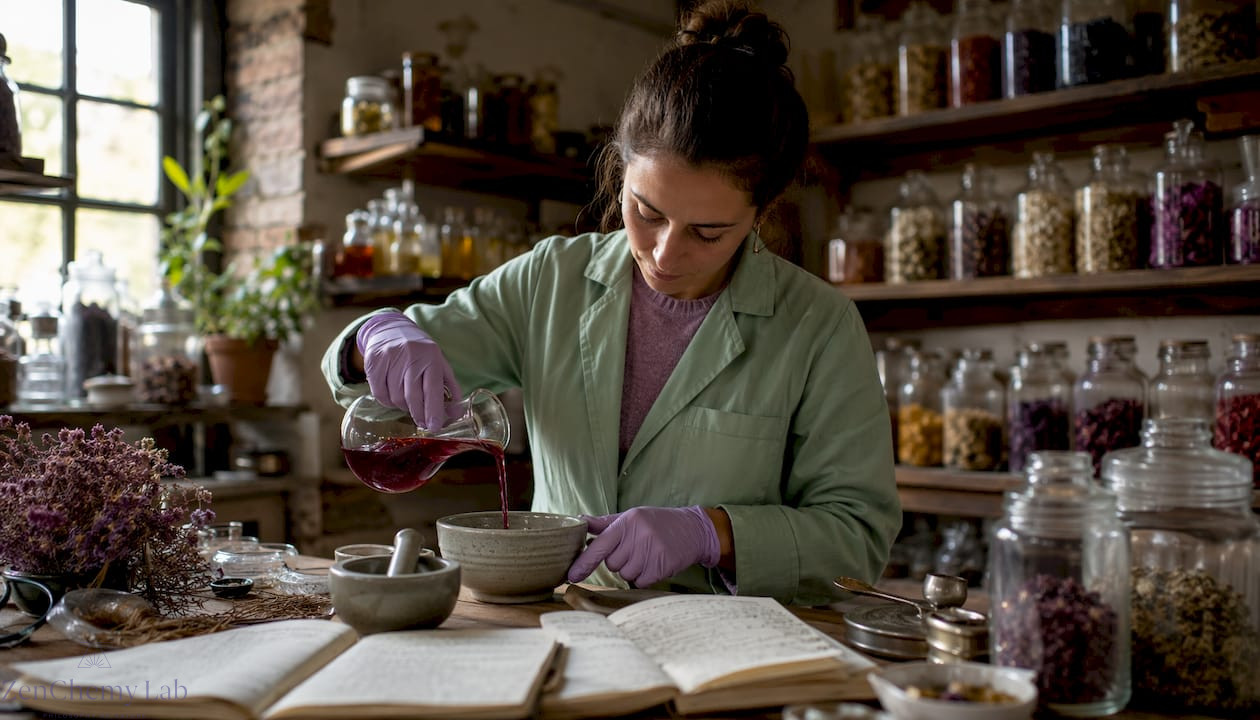
Plant-derived pigments do far more than colour your formulations. Natural dyeing methods in skincare use botanical pigments such as anthocyanins, carotenoids, and flavonoids to deliver antioxidant and anti-inflammatory benefits alongside beautiful colour. Unlike synthetic dyes, which can irritate skin and harm ecosystems, plant-based dyes act as dual-function ingredients: colourants and active skincare compounds at once.
Key things to know before you formulate:
- ✅ Natural pigments offer antioxidant, anti-inflammatory, and nourishing properties synthetic dyes cannot match
- ⚠️ Colour stability is the main technical hurdle: light, heat, and pH shifts all cause fading or colour change
- Oil-soluble and water-soluble dyes behave very differently in emulsions, balms, and gels
- Canadian artisans have access to locally sourced and ethically imported botanicals suited to natural formulation
- Canadian cosmetic regulations require transparent ingredient labelling for all natural colourants
Table of Contents
- Common natural dyes used in skincare and their Canadian sources
- Technical challenges and formulation strategies for plant-based dyes
- Extraction techniques and safety considerations for natural dyed skincare
- Zenchemylab and natural skincare with botanical colour
- Key takeaways
Common natural dyes used in skincare and their Canadian sources
Choosing the right plant pigment starts with understanding what each one brings to your formula, both visually and biochemically. Natural colourants are functional ingredients that affect shelf life and interact with other actives, not merely aesthetic additions.
| Plant Source | Colour | Key Compound | Solubility | Skin Benefit |
|---|---|---|---|---|
| Hibiscus | Red/pink | Anthocyanins | Water | Antioxidant, brightening |
| Turmeric | Yellow/gold | Curcumin | Oil/water | Anti-inflammatory |
| Alkanet root | Pink/red | Alkannin | Oil | Nourishing, antioxidant |
| Beetroot | Pink/red | Betalains | Water | Antioxidant |
| Seabuckthorn | Orange | Carotenoids | Oil | Vitamin-rich, protective |
| Açaí | Deep purple | Anthocyanins | Water/oil | Potent antioxidant, anti-ageing |
| Carrot root | Orange | Beta-carotene | Oil | Antioxidant, skin-nourishing |
A few practical notes for Canadian formulators:
- Oil-soluble vs. water-soluble: Alkannin from alkanet root is oil-soluble, making it ideal for balms and anhydrous products. Beetroot extracts are water-soluble and suit emulsions, toners, and gels only.
- Açaí delivers cyanidin-3-rutinoside and cyanidin-3-glucoside, potent antioxidants that protect skin from free radicals and support anti-ageing formulations.
- Local sourcing: Herbs like calendula, chamomile, and St. John’s Wort grow well in Canadian climates and are available through ethical domestic suppliers.
Technical challenges and formulation strategies for plant-based dyes
Colour stability is the central challenge when working with organic dye methods for skin. Natural dyes degrade under light exposure, heat, and pH fluctuation, causing fading or unwanted colour shifts.
- Control pH rigorously. Anthocyanins remain stable as red flavylium salts in acidic conditions but shift colour or degrade at neutral or alkaline pH. Keep anthocyanin-based formulas between pH 4.0 and 5.0.
- Protect against photodegradation. Store finished products in opaque or UV-blocking packaging. Oil-based formulas are especially vulnerable to UV damage.
- Use chelators. Metal ions in water or other ingredients react with pigment molecules, altering colour. Chelating agents bind these ions and protect pigment integrity.
- Add antioxidants. Sodium metabisulfite or vitamin E slow oxidation in pigment-rich formulas, extending colour life.
- Match solvent to dye type. Never combine a water-soluble pigment like beetroot into an oil-only base. Solvent incompatibility causes separation and colour inconsistency.
- Embrace batch variation. Plants vary between harvests and seasons. Document each batch and communicate natural colour variation to your customers as a mark of authenticity.
Pro Tip: Macerate thermolabile pigments like anthocyanins at 15–20°C for several days in a light-protected environment rather than applying heat. This preserves both colour and bioactivity.
Extraction techniques and safety considerations for natural dyed skincare
How you extract a pigment determines its purity, potency, and safety in a finished product.
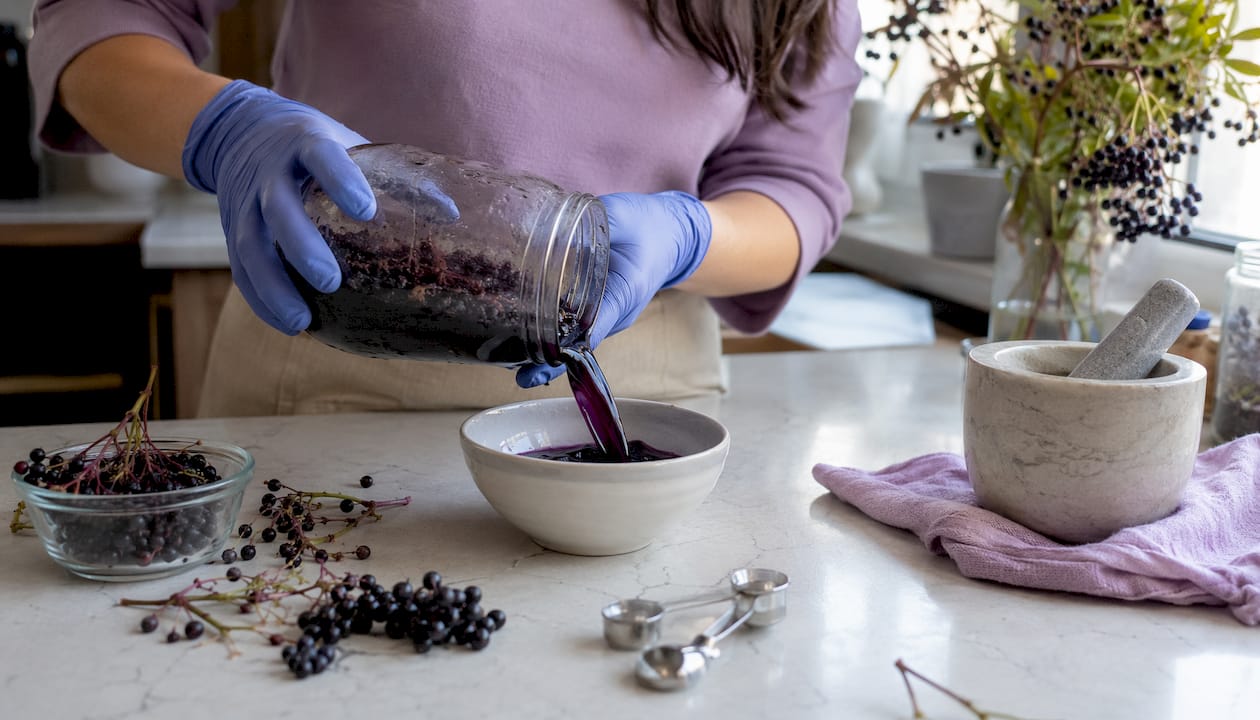
- Maceration is the most artisan-friendly method: soak plant material in oil, ethanol, or glycerin at 15–20°C for several days in a dark environment. This protects heat-sensitive flavonoids and anthocyanins.
- Glycerin infusions suit water-soluble pigments like beetroot and hibiscus, producing extracts compatible with emulsions, gels, and toners.
- Oil macerations work best for oil-soluble pigments like alkannin and beta-carotene, yielding richly coloured carrier oils ready for balms or serums.
- Avoid metal salt mordants in any topical product. Metal salt mordants are standard in textile dyeing but are unsuitable and potentially harmful for skincare formulations. Rely on the natural affinity of plant pigments for your chosen base instead.
- Alkanet safety note: Alkanet root contains pyrrolizidine alkaloids, which are water-soluble and toxic in large amounts. Use only oil macerates of alkanet in skincare, never glycerites or water-based extracts.
- Allergen awareness: Botanical pigments can trigger reactions in sensitive skin. Patch-test protocols and clear INCI labelling of all natural colourants are required under Canadian cosmetic regulations.
- Colourfastness testing: Assess finished products for absorbance changes under UV exposure and across storage periods to confirm colour and preservative stability before launch.
Treating natural pigments as chemical-free active ingredients rather than simple additives is what separates a well-formulated botanical product from one that fades on the shelf within weeks.
Zenchemylab and natural skincare with botanical colour
At Zenchemylab, every formulation starts with the same question: what does this ingredient do for your skin beyond the obvious? That philosophy applies directly to natural colourants. Whether it’s the deep purple of açaí or the warm orange of seabuckthorn, the pigments in Zenchemylab’s botanical cosmetics are chosen for their bioactive properties first and their colour second. Explore the full range and see what plant-powered skincare looks like when it’s done right.
Key takeaways
Natural dyes in skincare work best when treated as dual-function ingredients: chosen for their bioactive properties and formulated with strict pH, solvent, and light-stability controls.
| Point | Details |
|---|---|
| Dual-function pigments | Plant dyes deliver antioxidant and anti-inflammatory benefits alongside colour, unlike synthetic alternatives. |
| pH control is critical | Anthocyanin-based formulas must stay between pH 4.0 and 5.0 to prevent colour shift or degradation. |
| Solvent compatibility matters | Oil-soluble dyes like alkannin suit balms; water-soluble dyes like beetroot suit emulsions and gels only. |
| Macerate at low temperature | Extracting at 15–20°C in a dark environment preserves thermolabile pigments like flavonoids and anthocyanins. |
| Avoid metal salt mordants | Metal salt mordants used in textile dyeing are unsuitable and potentially harmful in topical skincare products. |