Every bar of true soap requires an alkali, either sodium hydroxide or potassium hydroxide, at some point in its production. The “lye-free soap” claim is usually shorthand for one of two things: you personally never handled lye, or the bar is actually a detergent product, not soap at all. A properly made, fully cured bar of soap should contain no free lye by the time it reaches you. What separates fact from marketing fluff is understanding melt-and-pour bases, syndet bars, and true soap, and knowing how to check the difference yourself.
TL;DR:
- Most “lye-free” soaps are either made from pre-saponified bases or synthetic detergents, not free from alkali chemistry in their production.
- Properly made and cured soap contains no free lye, with typical pH levels between 8 and 10, unlike syndet bars which usually measure between 5 and 7.
- Ingredient lists with salt-based fatty acid names confirm true soap, while surfactant names indicate syndet formulations; testing pH helps verify the claim.
- Accurate soapmaking requires precise lye calculations, thorough mixing, and curing for four to six weeks to ensure safety and full saponification.
- Transparency in labeling and clear ingredient disclosure are essential for verifying whether a soap truly involves saponified oils or is a synthetic product.
Table of Contents
- Why the lye free soap myth took hold in the first place
- What lye actually is and how saponification makes soap
- Does finished soap actually contain lye?
- What “lye-free” products usually turn out to be
- Handling lye safely at home
- How to verify a “lye-free” claim before you buy
- Verification data: pH ranges and quick checks
- Why precise language matters more than reassurance
- Where to find soap made with full transparency
- Sources
- FAQ
Why the lye free soap myth took hold in the first place
Lye has a reputation problem, and it’s earned one. Sodium hydroxide is the same chemical family found in industrial drain cleaners, and that association sticks in people’s minds long after the soap is finished and cured. Brands know this, and some lean into the fear rather than correcting it.
When a label says “lye-free,” it typically means one of a few things:
- The maker didn’t personally handle raw lye because they started from a pre-made melt-and-pour base that was saponified upstream.
- The product is a syndet or detergent bar built from synthetic surfactants instead of saponified oils.
- The marketing team is using “lye-free” as a comfort word, knowing most shoppers won’t ask what actually happened during production.
As Botanie Soap explains, the phrase commonly means the end user never touched lye. It rarely means alkaline chemistry played no role in making the bar. The tell is usually on the ingredient list: if you see saponified oil names like “sodium olivate” or “sodium cocoate,” lye was involved somewhere in that bar’s history, no matter what the front label says.
What lye actually is and how saponification makes soap
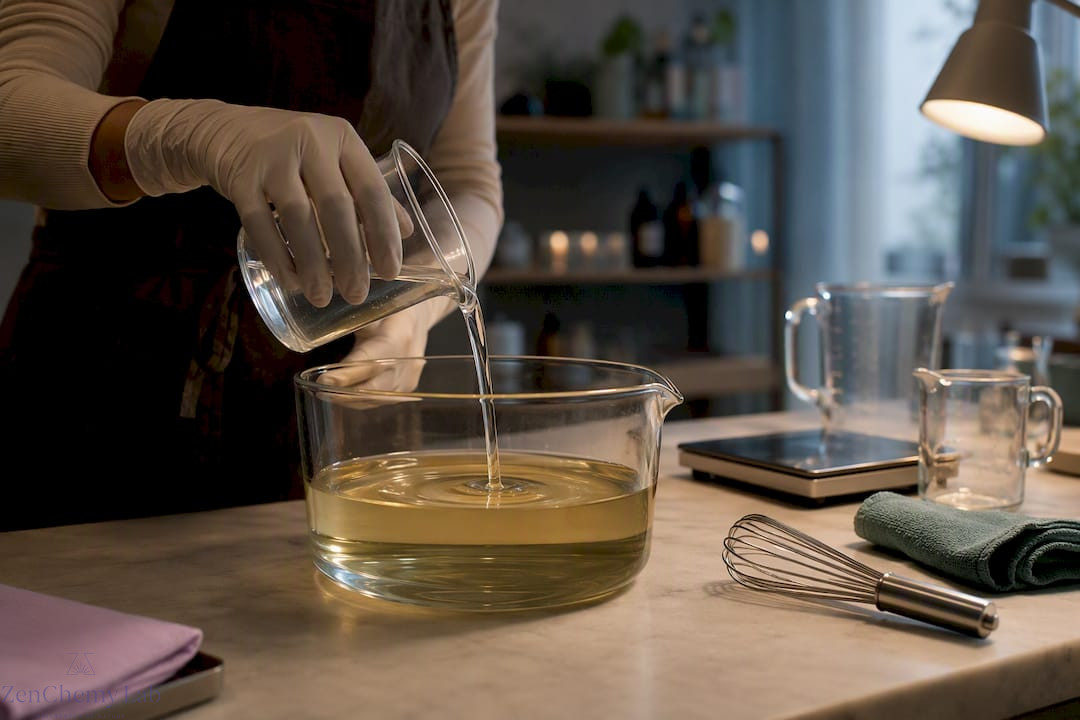
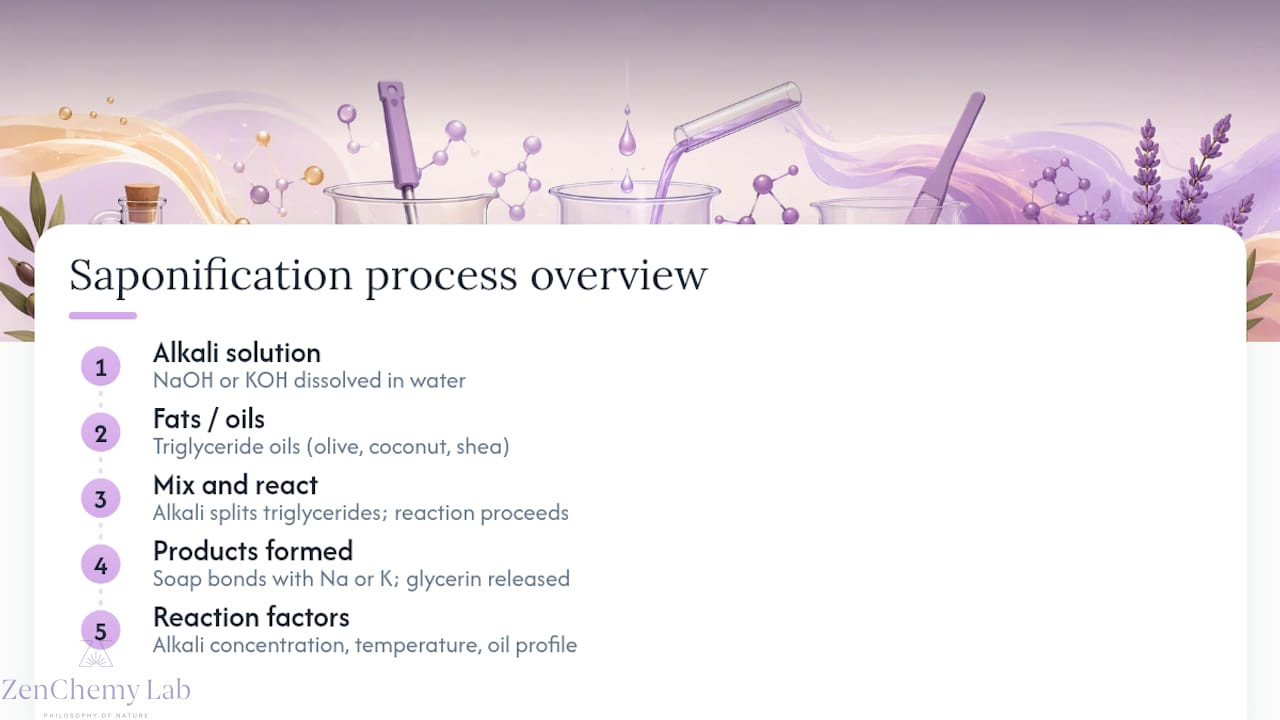
Sodium hydroxide (NaOH) and potassium hydroxide (KOH) are strong alkalis, meaning they sit at the opposite end of the pH scale from acids and react aggressively with fats. That reactivity is exactly what makes soap possible. When you combine a fat or oil, technically a triglyceride, with one of these alkalis dissolved in water, you trigger saponification: the alkali splits the triglyceride apart, and the fatty acids bond with sodium or potassium ions to form soap, while glycerin is released as a natural byproduct.
Both starting ingredients are consumed in this reaction. Neither the original oil nor the original lye survives it intact. As Iowa State University’s soap lab guide describes it, this is a genuine chemical transformation, not a physical blend, and it proceeds forward under normal soapmaking conditions without reversing itself.
A few variables shape how the reaction plays out. Alkali concentration determines how much lye is needed relative to the oils in the recipe, and getting that ratio wrong is the single biggest formulation risk. Temperature affects how fast saponification proceeds and how the finished bar traces and sets. The specific oil profile matters too. Coconut oil saponifies differently than olive oil or shea butter, which is why recipes calling for the same weight of lye will behave completely differently depending on the fats used.
None of this happens accidentally. It’s chemistry with rules, and those rules are exactly what makes safe, skin-friendly soap possible in the first place.
Does finished soap actually contain lye?
No, not if it’s made correctly and given time to cure. Soapmakers calculate the precise amount of lye needed to saponify a given batch of oils, often deliberately using slightly less lye than the oils could theoretically consume. That intentional shortfall is called superfatting, and it leaves a small percentage of unreacted oil in the final bar for extra skin conditioning rather than leaving excess caustic alkali behind.
Pro Tip: A typical superfat range is used in handcrafted bars. That’s the oil talking, not leftover lye. The two get confused constantly.
Problems arise when the lye calculation is wrong, ingredients aren’t mixed thoroughly, or the batch doesn’t cure long enough. A four to six week cure isn’t just about hardening the bar; it gives any remaining alkali time to fully react and let excess water evaporate. Warning signs of an unsafe bar include a greasy or slick surface that never firms up, a soapy residue that feels sharp or tingly on skin, or visible white ash that won’t brush off.
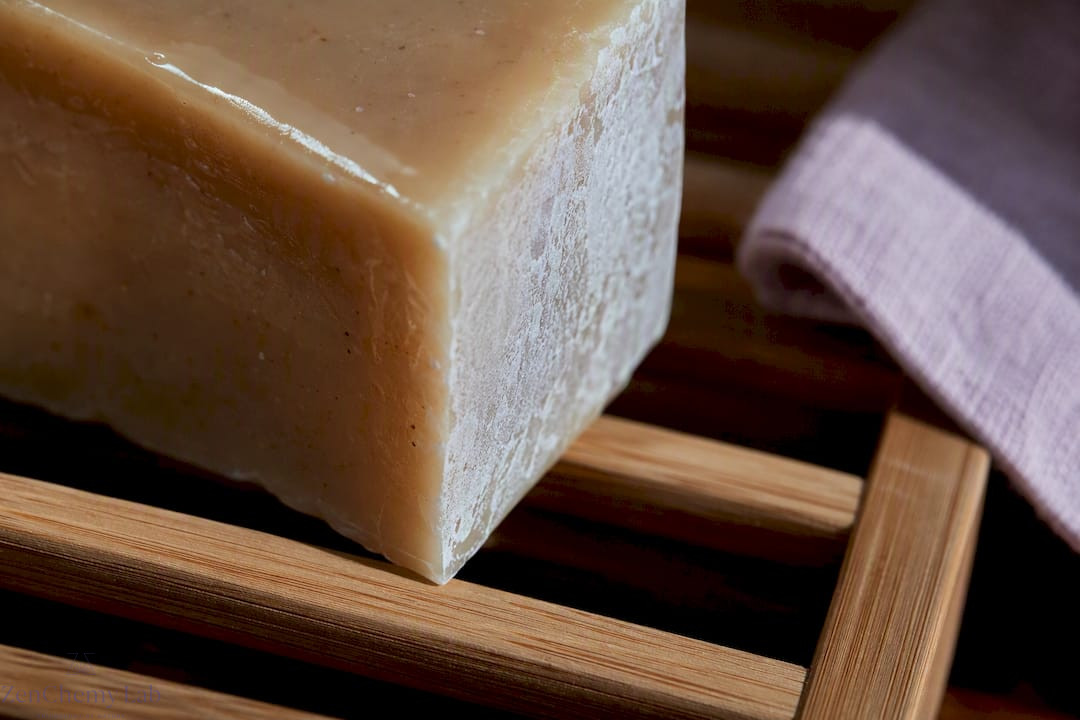
According to Soaply’s formulation guide, a correctly cured bar carries no free sodium hydroxide by the time it’s ready to sell. Expected finished-soap pH generally lands between 8 and 10, which is mild enough for regular skin contact but distinctly alkaline compared to your skin’s natural surface.
What “lye-free” products usually turn out to be
Understanding what you’re actually holding requires sorting products into three categories, because “soap” gets used loosely to describe things that aren’t chemically soap at all.
Melt-and-pour bases are pre-made soap that was fully saponified by a manufacturer earlier in the supply chain, then shipped as a solid block for crafters to melt, add fragrance or colour to, and pour into moulds. The crafter never touches raw lye, which is technically accurate marketing, but lye absolutely made the soap possible before it ever reached that block.
Syndet bars (short for synthetic detergent) are chemically different from true soap altogether. Instead of saponified oils, they’re built from manufactured surfactants such as sodium cocoyl isethionate (SCI) or sodium lauryl sulfoacetate (SLSA). As CleanFormulation notes, these bars tend to be gentler and sit closer to skin-neutral pH, typically 5 to 7, which is genuinely useful for sensitive or compromised skin.
Hybrid and beauty bars blend a small amount of true soap with syndet surfactants, or vice versa, and this is exactly where ingredient lists matter most. Two bars sitting side by side on a shelf, both labelled “gentle cleansing bar,” can have completely different chemistry.
- Fatty-acid salt names (“sodium tallowate,” “potassium cocoate,” “sodium olivate”) signal true saponified soap.
- Surfactant names (“sodium cocoyl isethionate,” “disodium laureth sulfosuccinate”) signal a syndet formulation.
Our own breakdown of handmade soap versus commercially made bars goes deeper into how these formulations diverge in feel, lather, and skin impact.
Handling lye safely at home
If you’re making soap from scratch rather than buying finished bars, lye safety isn’t optional, and it isn’t complicated either once you build the habit. Follow these steps every time:
- Wear splash-proof goggles, nitrile gloves, and long sleeves before you weigh a single gram of lye.
- Use a digital scale accurate to the gram; eyeballing lye weight is how caustic, unsafe bars happen.
- Always add lye to water, never water to lye. Reversing the order can cause a violent, superheated reaction that splashes caustic liquid.
- Mix in a well-ventilated space and let the fumes clear before leaning over the container.
- Label every container the moment you fill it, and store lye solution well out of reach of children and pets.
- If a batch traces wrong, separates, or smells sharply chemical after cure, discard it rather than risk using it on skin.
If handling raw lye feels like more risk than you want, melt-and-pour bases or rebatching (remelting an existing soap) let you skip that step entirely. You trade some formulation control for a simpler, lower-risk process, which is a perfectly reasonable choice for casual makers. Our natural soap making checklist walks through the full process if you’re ready to try it yourself.
How to verify a “lye-free” claim before you buy
You don’t need a lab to check whether a bar is what its label claims. Two steps handle most of it.
First, read the ingredient list, not the front-of-package marketing. Names ending in “ate” paired with sodium or potassium (“sodium cocoate,” “sodium olivate”) point to saponified oils, meaning real soap. Names like “sodium cocoyl isethionate” or “SLSA” point to a syndet bar.
Second, if you want a physical check, pH strips or a basic pH metre will tell you plenty:
- True soap generally reads between 8 and 10.
- Syndet and beauty bars generally read between 5 and 7.
- Anything reading above 10 may signal incomplete saponification or excess unreacted lye, and that bar shouldn’t go anywhere near your skin.
Pro Tip: Test a wet bar directly against a pH strip rather than testing the lather. The lather can dilute the reading and make an alkaline bar look milder than it actually is.
Watch for red flags beyond the ingredient panel too: vague labelling that lists only “soap base,” marketing copy that dodges the word “saponified” entirely, or a maker who can’t or won’t answer a direct question about their formulation. Transparent makers usually publish full ingredient breakdowns and batch or cure notes without being asked. Our guide to pure soap explained covers exactly what that transparency should look like.
Verification data: pH ranges and quick checks
Here’s how the main product types compare once you break down whether lye was used and what pH the finished product typically lands at.
| Product type | Lye used in production? | Typical finished pH |
|---|---|---|
| Cold or hot process soap | Yes, at formulation stage | 8 to 10 |
| Melt-and-pour base | Yes, upstream by the base manufacturer | 8 to 10 |
| Syndet bar | No, uses synthetic surfactants instead | 5 to 7 |
Confirming what you’re actually buying takes three steps: read the ingredient list for fatty-acid salt names versus surfactant names, test the wet bar with a pH strip, and contact the maker directly if either signal is unclear. Reputable makers answer formulation questions without hesitation. The pH ranges above align with figures from CleanFormulation’s formulation review, and the underlying saponification chemistry is documented in Iowa State University’s soap lab materials for anyone who wants the deeper technical detail.
Why precise language matters more than reassurance
The “lye-free” label bothers me not because it’s always dishonest, but because it trains shoppers to fear a chemical process that, done properly, is what makes their soap safe and effective in the first place. Vague comfort language does the opposite of what good labelling should do: it tells you nothing about what’s actually in the bar or how it was made.
A saponified oil name on an ingredient list tells you more in five characters than an entire marketing paragraph built around avoiding the word “lye.” Formulation, full cure times, and ingredient naming get treated as things worth explaining clearly rather than things to soften or hide behind gentler-sounding words. That’s not a claim about being the only maker who does this. It’s a standard we think every bar on the shelf should be held to.
If you’re ever unsure what’s in a bar you’re considering, ask the maker. Those who can explain their formulation without hesitation are likely offering genuine information about how that soap was made.
— Alex
Where to find soap made with full transparency
An alternative to guessing what’s actually in your soap is a brand that lists its saponified oils by name, ensures a full cure before shipping, and offers to explain the formulation process upon request. You won’t find vague “soap base” language on the ingredient panels, and bars are not rushed out before they finish curing.

If you want to see how our formulations compare to commercial detergent bars, our breakdown of handmade soap versus commercially made soaps lays out the differences plainly. For a wider look at what “natural” should actually mean on a label, browse our natural skin collection to see the ingredient philosophy behind every product we sell. Ready to try a bar that tells you exactly what’s in it? Head to the natural skin archive and pick one that matches your skin’s needs, then check the ingredient list against what you’ve just learned. You’ll know within seconds whether it holds up.
Sources
For readers who want to go deeper into the chemistry and verification methods covered in this article:
- Soaply — Can you make soap without lye?
- CleanFormulation — Making soap without lye: chemical reality and alternatives
- Botanie Soap — Can you make soap without lye?
FAQ
What happens if you make soap without lye?
You can’t make true soap without an alkali at some stage; skipping lye entirely means you’re making a detergent (syndet) bar or working with a pre-made melt-and-pour base that was already saponified upstream.
What do the Amish use to make soap?
Traditional lye soap recipes, including many historical Amish and homestead methods, typically use lye derived from wood ash (potassium hydroxide) combined with rendered fats, following the same saponification chemistry used in modern soapmaking.
What is the healthiest soap base to use?
There’s no single “healthiest” base; true soap made from quality oils suits normal skin well, while syndet bars with a lower pH around 5 to 7 often suit sensitive or compromised skin better, so the right choice depends on your skin’s needs.
Does Dawn dish soap contain lye?
Dawn and most dish detergents are syndet products built from synthetic surfactants rather than saponified oils, so they aren’t made using lye in the traditional soapmaking sense, though some formulations may contain small amounts of related alkaline processing agents.