

TL;DR:
- Gentle cleansing effectively removes impurities without damaging the skin barrier, which harsh cleansers often compromise.
- Using mild, natural ingredients supports hydration, reduces irritation, and maintains the skin’s resilience over time.
There is a deeply ingrained belief in skincare culture that a cleanser needs to leave your skin feeling “squeaky clean” to have done its job properly. That tight, stripped sensation after washing is often mistaken for cleanliness, when in reality it signals that your skin barrier has been compromised. Gentle cleansing offers a smarter alternative. It removes impurities effectively without damaging the delicate lipid layer that keeps your skin hydrated, resilient, and healthy. This guide covers what gentle cleansing truly means, how the methods work, what the science tells us, and how to bring it into your daily self-care ritual.
Table of Contents
- What is gentle cleansing?
- Key gentle cleansing methods and routines
- Gentle cleansing with natural and artisanal products
- The science of gentle cleansing: skin barrier protection and hydration
- Why gentle cleansing works better than the harsh approach
- Explore natural skincare routines with ZenChemy Lab
- Frequently asked questions
Key Takeaways
| Point | Details |
|---|---|
| Gentle cleansing defined | Gentle cleansing uses mild ingredients that clean effectively without stripping your skin. |
| Multiple cleansing methods | You can choose single gentle cleansing, double cleansing, or oil cleansing based on your skin’s needs. |
| Skin barrier protection | Evidence shows gentle cleansers improve hydration and keep your skin barrier healthy. |
| Natural options available | Plant-based and artisanal products are excellent choices for gentle, nourishing routines. |
| Custom routines matter | Adjust your cleansing method seasonally or as your skin’s needs change for the best results. |
What is gentle cleansing?
Gentle cleansing is a skincare approach that prioritises removing dirt, excess oil, and environmental residue using mild, non-irritating surfactants or natural oils rather than aggressive detergents. The philosophy is simple: clean the skin without stripping away the protective elements it needs to function well.
Your skin barrier works like a “brick and mortar” structure. The skin cells (bricks) are held together by lipids and proteins (mortar). When that mortar is disrupted by harsh surfactants, moisture escapes and irritants enter more easily. A gentle cleanser works around that structure, not against it.
“Effective cleansing doesn’t mean depleting your skin of its natural defences. It means removing what doesn’t belong while keeping what does.” This principle sits at the heart of every gentle cleansing formulation worth using.
Signs your current cleanser may be too harsh include:
- ✅ Tightness or stiffness immediately after washing
- ✅ Visible dryness, flakiness, or rough texture
- ✅ Increased redness or sensitivity after use
- ✅ Breakouts that worsen after cleansing, not improve
- ✅ A need to immediately apply heavy moisturiser just to feel comfortable
Ingredients like sodium lauryl sulphate (SLS) are known to disrupt the skin barrier significantly. Soap-free cleansers reduced TEWL by 40.73% at day 30 and improved hydration noticeably compared to SLS-based alternatives in clinical trials. That is not a marginal difference. It is a meaningful shift in how your skin feels and performs every single day.
An intimate and gentle face cleanser formulated with non-stripping surfactants is a practical starting point if you want to transition from a conventional product to something that respects your skin’s natural balance.
Key gentle cleansing methods and routines
Once you understand the “why,” the next step is choosing the “how.” There are three primary gentle cleansing methods, each suited to different skin types and lifestyles. Knowing when to use each one makes a real difference in your results.
Comparison of cleansing methods
| Method | Best for | How it works | Frequency |
|---|---|---|---|
| Single gentle cleanser | Sensitive, dry, minimal makeup | One mild cleanser twice daily | Morning and evening |
| Double cleansing | Makeup wearers, sunscreen users | Oil-based cleanser first, then water-based | Evening, or as needed |
| Oil cleansing method | Dry, sensitive, natural skincare fans | Plant oil applied to dry skin, emulsified with water | Evening, or 3 to 4 times per week |
Key methodologies for gentle cleansing include a single gentle cleanser used twice daily, double cleansing with an oil-based product first for makeup and sunscreen removal followed by a water-based gentle cleanser, and the natural oil cleansing method using plant oils like jojoba or castor oil applied to dry skin and emulsified with water. Selecting the right method depends on your skin type and daily routine.
Step-by-step: single gentle cleanser routine
- Wet your face with lukewarm water (hot water dehydrates skin faster)
- Dispense a small amount of your gentle cleanser onto your fingertips
- Massage in gentle circular motions for 30 to 60 seconds
- Rinse thoroughly and pat dry with a clean, soft cloth
- Follow immediately with a toner or moisturiser to seal in hydration
Step-by-step: double cleansing routine
- Apply an oil-based cleanser or cleansing balm to dry skin
- Massage for one minute to dissolve sunscreen, foundation, and sebum
- Add a small amount of water to emulsify, then rinse
- Follow with a water-based gentle cleanser for a thorough clean
- Pat dry and continue with the rest of your routine
Our turmeric honey face wash works beautifully as the second step in a double cleansing routine. The turmeric’s natural anti-inflammatory properties and honey’s humectant qualities make it a second cleanse that nourishes as it cleans.
For body care, especially if you deal with dry or reactive skin on the body, consider incorporating a naturally formulated product like the pine tar tallow soap. Pine tar is a time-tested botanical ingredient known to support relief for eczema, acne, and chronic dryness without harsh stripping.
Pro Tip: Adjust your cleansing method with the seasons. In winter, a single gentle oil-based cleanser or oil cleansing method may be all your skin needs to avoid over-drying. In summer, when you’re wearing more sunscreen or sweating more, double cleansing in the evening becomes more practical and beneficial.
Gentle cleansing with natural and artisanal products
Natural and artisanal skincare brings an added dimension to gentle cleansing. Not only do plant oils and handmade soaps perform beautifully on the skin, but they also transform your daily cleansing routine into a mindful ritual.
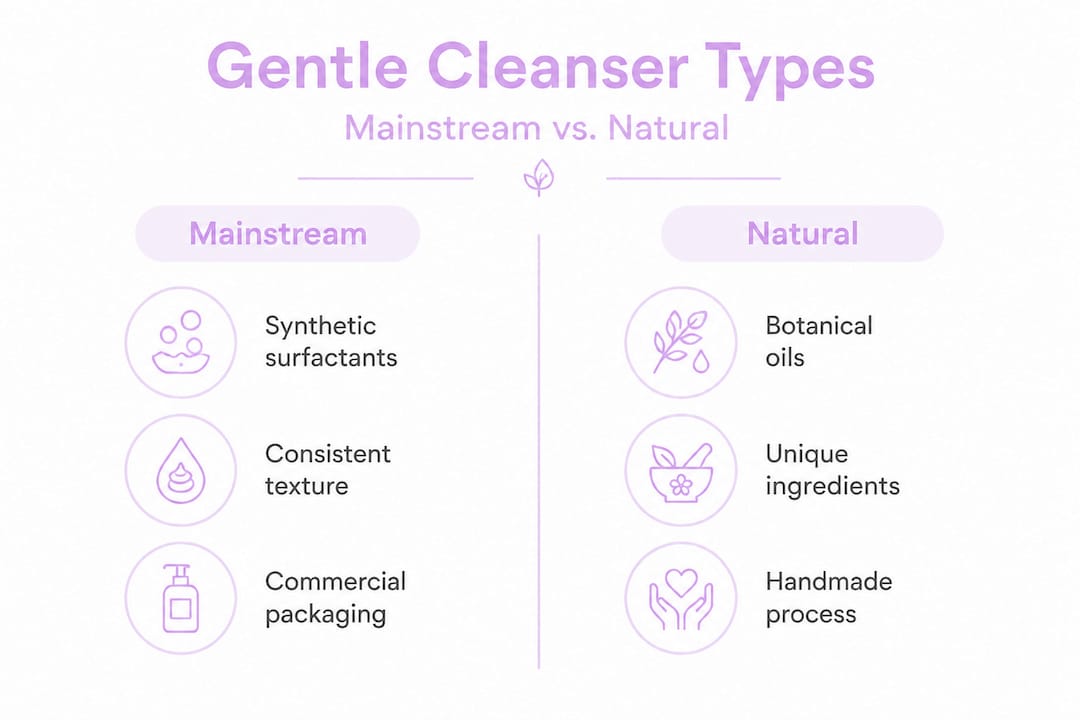
Mainstream vs. natural gentle cleansers
| Feature | Mainstream mild cleanser | Handmade or natural cleanser |
|---|---|---|
| Surfactant type | Synthetic mild surfactants | Natural oils, amino acid surfactants |
| Added preservatives | Often present | Typically minimal or natural-based |
| Ingredient list length | Often long | Shorter, recognisable ingredients |
| Skin nourishment | Limited | Oils provide added nourishment |
| Self-care experience | Functional | Sensory, aromatic, artisanal |
| Environmental impact | Varies | Often lower with biodegradable ingredients |
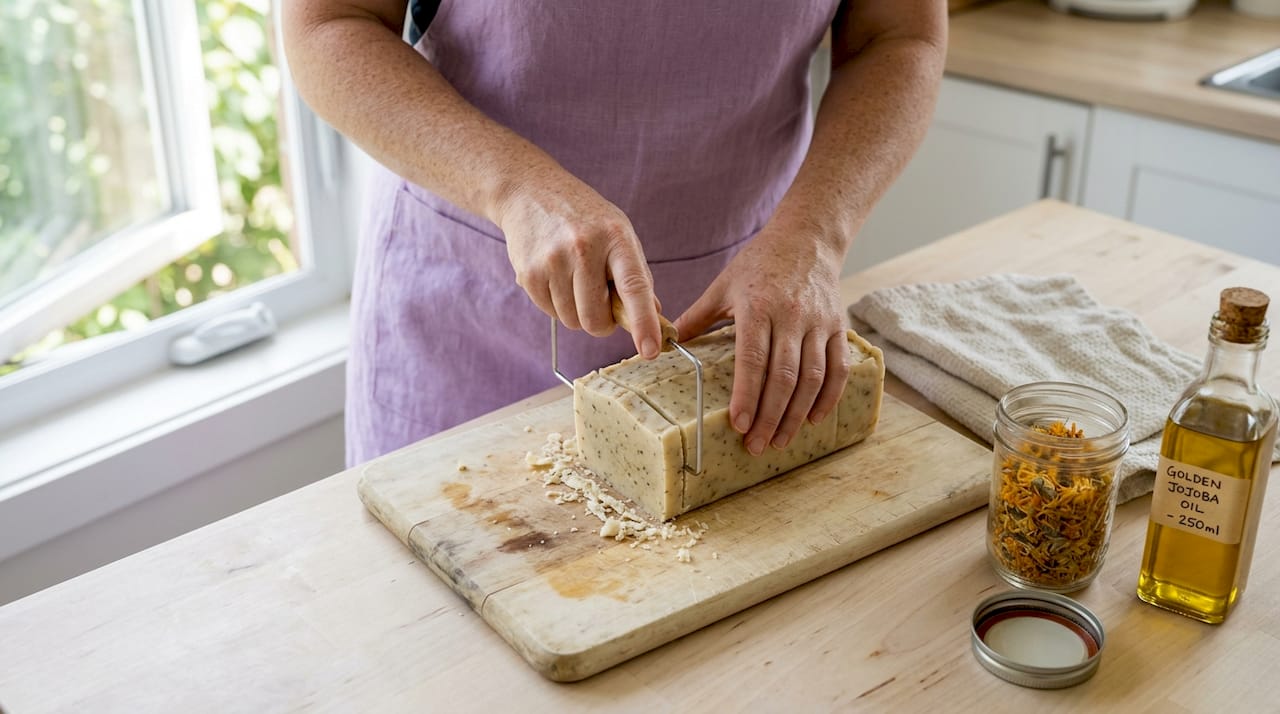
Oil cleansing with artisanal plant oils such as jojoba, almond, and sesame dissolves impurities through the “like dissolves like” principle, meaning oils bind to and lift away oil-based debris, sebum, and environmental pollutants. This method is especially well-suited to dry and sensitive skin types but can be adapted for oily skin by using lighter oils like jojoba, which closely mimics the skin’s natural sebum.
Here is how the key plant oils work in a natural cleansing blend:
- 🌿 Castor oil (10 to 30% of blend): Excellent cleansing action due to its high ricinoleic acid content. Draws out impurities and has mild antimicrobial properties.
- 🌿 Jojoba oil: Technically a liquid wax, jojoba balances oil production and is non-comedogenic, making it ideal for acne-prone or combination skin.
- 🌿 Sweet almond oil: Rich in oleic and linoleic acids, almond oil nourishes and softens the skin, making it excellent for dry or mature skin types.
- 🌿 Sesame oil: Naturally high in antioxidants, sesame oil protects skin from environmental stressors while cleansing.
- 🌿 Hemp seed oil: Lightweight and balancing, great for oily and combination skin types seeking a gentle oil cleanse.
When exploring artisanal formulations, look for botanical ingredients like calendula, honey, aloe vera, and turmeric as supporting components. These all add skin-supportive benefits on top of gentle cleansing action. You might also pair your gentle cleansing routine with a spirulina dry face mask weekly to draw out deeper impurities while feeding the skin with antioxidant-rich nutrients.
Pro Tip: Always patch-test new natural oils or artisanal products before applying them to your full face. Apply a small amount to your inner wrist or behind your ear, wait 24 hours, and check for any redness or reaction before incorporating into your regular routine.
Handmade soaps crafted through cold-process or hot-process saponification retain glycerin, a natural humectant produced during the soap-making process. Commercial soaps often have the glycerin removed and sold separately. That retained glycerin is one of the reasons artisanal soaps feel gentler and more moisturising on the skin than many mass-produced alternatives.
The science of gentle cleansing: skin barrier protection and hydration
Understanding trans-epidermal water loss (TEWL) is key to appreciating why gentle cleansing matters so much. TEWL is the measurement of water that passively evaporates from your skin to the surrounding environment. When your skin barrier is intact, TEWL is low, meaning your skin holds onto moisture effectively. When the barrier is damaged, TEWL increases, and your skin becomes dry, reactive, and more vulnerable to irritants.
Harsh cleansers, particularly those containing SLS, directly elevate TEWL by stripping away the lipids that hold the barrier together. The result is a cycle of dryness, over-production of sebum (as the skin tries to compensate), and increased sensitivity.
“The skin barrier is not just a passive layer. It is an active, dynamic system that requires support, not assault, to function at its best.”
Clinical research confirms the stark contrast between gentle and harsh cleansing outcomes:
- Reduced TEWL: Soap-free lotion reduced TEWL by 40.73% after 30 days of regular use compared to SLS-based alternatives that raised TEWL levels.
- Improved hydration: A multi-active gentle cleanser showed a 42% increase in skin hydration levels over four weeks in the same clinical evaluation.
- Reduced water loss: The same multi-active formulation also demonstrated a 28% reduction in TEWL over the four-week study period, indicating measurable barrier repair.
- Decreased irritation: Participants using gentle cleansers reported significantly lower rates of redness, tightness, and post-wash discomfort compared to those using harsh alternatives.
- Long-term barrier resilience: Regular use of gentle cleansers over time appears to support a stronger, more resilient barrier, reducing the skin’s reactivity to environmental stressors.
These numbers matter because they translate directly to how your skin looks and feels day to day. Hydrated skin reflects light better, showing up as a healthy glow. A strong barrier means your serums and moisturisers absorb more effectively, making your entire skincare routine more efficient.
A rose facial toner used after gentle cleansing can further support barrier function by restoring the skin’s natural pH. Rose hydrosol is naturally slightly acidic, which helps to rebalance the skin after cleansing and prepare it optimally to absorb any subsequent skincare products.
Why gentle cleansing works better than the harsh approach
Here is the perspective we want to share plainly: the “squeaky clean” standard is not a sign of effective skincare. It is a sign of over-cleansing. The sensation of tightness that many people associate with cleanliness is actually the skin communicating distress.
Decades of beauty marketing trained consumers to associate foam, lather, and that stripped feeling with thoroughness. But your skin does not produce its own natural oils as a byproduct to be scrubbed away. Those oils, ceramides, and fatty acids are there for a reason. They are your barrier. When you remove them every morning and evening with an aggressive cleanser, you are starting every skincare routine at a deficit, not an advantage.
What we find particularly striking, having worked closely with natural formulations and the science behind them, is that gentler products consistently outperform harsh ones in long-term results. Users who make the switch report less breakout activity, more balanced moisture levels, and a reduction in the sensitivity they previously accepted as just “their skin type.” Often, it was the cleanser the entire time.
The concern we hear most often is that gentle cleansing isn’t thorough enough for people who wear heavy makeup, live in polluted cities, or have oily skin. This concern is valid and understandable, but the double cleansing method resolves it entirely. You can achieve a thorough, deep clean without ever touching SLS or similar harsh detergents. Oil dissolves oil, and a gentle water-based second cleanse finishes the job.
Artisanal and nature-based rituals also add something that commercial skincare rarely offers: a sense of intention and connection. When you choose a handmade soap with recognisable botanical ingredients, you are not just choosing a product. You are choosing a philosophy. That philosophy, over time, translates into more mindful choices across your entire routine, and the skin benefits compound accordingly.
Gentle cleansing isn’t a compromise. It is an upgrade.
Explore natural skincare routines with ZenChemy Lab
Ready to move from understanding to action? ZenChemy Lab has curated a range of resources and artisanal products designed to support a gentle, nature-first cleansing routine.

Start by exploring our natural skincare routine tips for practical guidance on building a complete routine around gentle cleansing. If you are curious about what makes handmade soap genuinely different from commercial bars, our guide on artisanal soap benefits covers the science and craftsmanship behind every bar. When you are ready to shop, our artisan soap collection features handmade, scented options formulated and produced in Canada with pure botanical ingredients. Every product is a step toward a gentler, more nourishing relationship with your skin.
Frequently asked questions
What makes a cleanser “gentle” for sensitive skin?
A gentle cleanser uses mild surfactants or natural plant oils without harsh detergents like SLS, minimising irritation and preserving your skin barrier. Mild surfactants preserve barrier function while still removing impurities effectively, unlike SLS-based options that increase TEWL and dryness.
How often should I use a gentle cleanser?
Most skin types benefit from gentle cleansing twice daily, with adjustments based on dryness levels, activity, or whether makeup and sunscreen removal is needed in the evening.
Does oil cleansing work for oily skin?
Yes. Light oils like jojoba balance oil production and dissolve impurities through the “like dissolves like” principle, making oil cleansing suitable even for oily or combination skin types when formulated with the right oils.
Can gentle cleansing improve hydration?
Absolutely. Clinical studies show that soap-free cleansers improve hydration significantly, with one study showing a 42% hydration increase and a 40.73% reduction in TEWL over four weeks of regular use.
What’s the safest way to try oil cleansing at home?
Begin with a blend of jojoba and sweet almond oil, applied to dry skin, massaged gently for about one minute, then removed with a warm, damp cloth. Castor oil added at 10 to 30% enhances the cleansing action without being overly stripping for most skin types.

3 Comments