
TL;DR:
- Natural self-care involves practical, accessible actions tailored to individual needs that support overall well-being. It emphasizes brief, consistent habits like outdoor grounding, social connection, and environmental adjustments to promote mental, physical, and emotional health. Integrating these routines into daily life can lead to lasting, meaningful improvements without requiring significant time or resources.
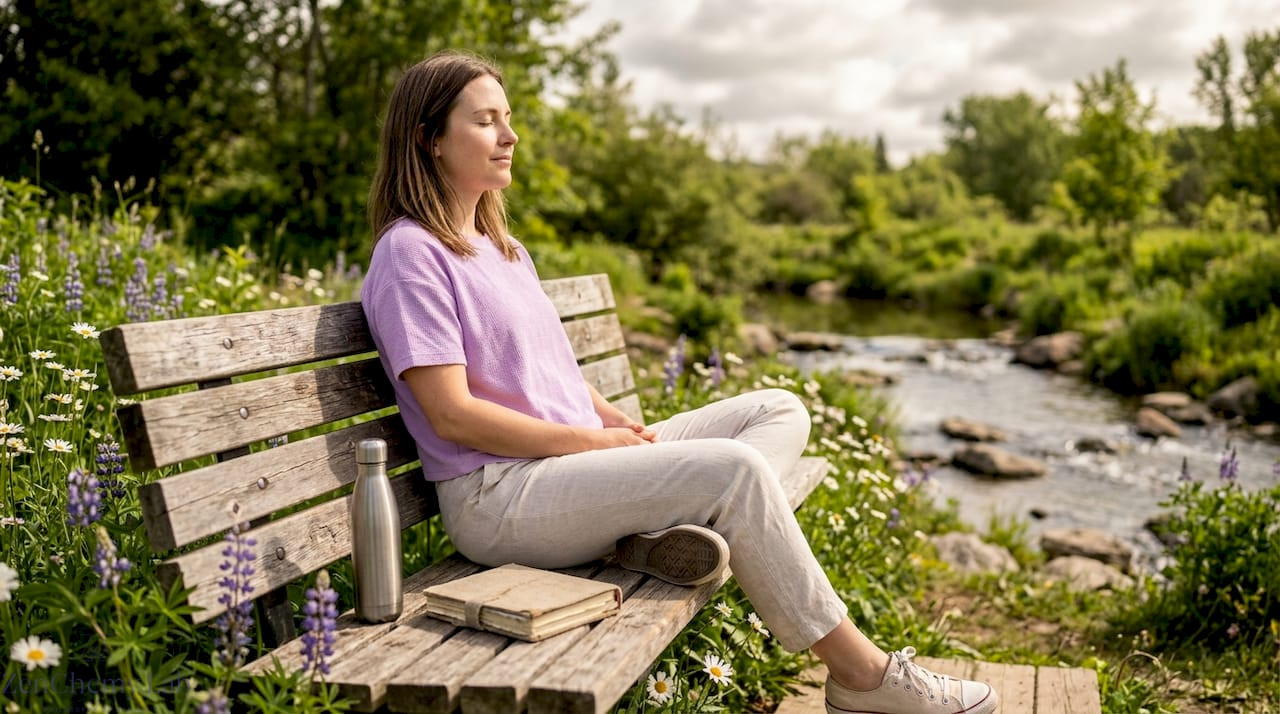
Natural self-care is defined as a set of practical, accessible, everyday actions you take to support your mental, physical, social, and environmental well-being. The term sits within the broader clinical framework of lifestyle medicine, which Harvard Health describes as using healthy habits for disease prevention and treatment alongside medical care. Whether you are drawn to mindful walks, grounding barefoot in grass, gratitude journaling, or a nourishing botanical body ritual, the most effective natural self-care examples share one quality: they are tailored to your actual needs, not copied from a generic checklist. NCOA research confirms that checking in with yourself multiple times daily to name your needs and choose matching activities is the foundation of a sustainable routine.
1. Natural self-care examples for mental and emotional wellness
Mental and emotional self-care is the practice of recognising your inner state and responding with a targeted, calming action. The key word is targeted. Feeling lonely calls for social connection, not a bath. Feeling overstimulated calls for quiet and sensory reduction, not a crowded yoga class.
Practical examples include:
- Gratitude journaling: Write three specific things you are grateful for each morning. Specificity matters more than volume.
- Guided meditation: Apps like Insight Timer or Calm offer free sessions as short as five minutes.
- Mindful breathing outdoors: Step outside, slow your walk, and notice five things you can see, hear, and feel. Cleveland Clinic reports that even three to five minutes in a natural green space lowers cortisol and shifts the nervous system out of stress mode.
- Audiobook or podcast listening: Passive, absorbing content gives an overworked mind a structured rest.
- Expressive writing: Unfiltered journaling about a stressor for ten minutes reduces its emotional charge.
- Mindful tea or coffee ritual: Savouring a warm drink without screens is a simple self-care practice that signals a deliberate pause to your nervous system.
The deeper insight here is that natural self-care for mental health is often about lowering stimulation through attention training, not adding more activities to your day. Brief sensory shifts outdoors are as effective as longer sessions when practised consistently.
Pro Tip: Anchor your mindful outdoor break to an existing habit, such as right after your morning coffee or before you open your laptop, so it requires no willpower to start.
2. Physical and lifestyle habits that form natural self-care routines
Harvard Health frames self-care within lifestyle medicine, identifying sleep, positive attitude, resilience, and quality social connections as the core pillars of holistic well-being. Physical self-care is not about intense training programmes. It is about consistent, low-barrier habits that compound over time.
Here are practical physical self-care examples organised by time investment:
- Morning movement (5 minutes): Gentle stretching or a short walk around the block activates circulation and sets a calm tone for the day.
- Outdoor activity breaks (10 minutes): A brisk walk in a park or green space combines light exercise with nature exposure, doubling the benefit.
- Restorative sleep hygiene: Keeping a consistent sleep and wake time, even on weekends, regulates cortisol and supports immune function.
- Plant-based nutrition habits: Adding one additional serving of vegetables or legumes per meal is a plant-based self-care shift that requires no special diet.
- Hydration anchoring: Drinking a full glass of water before each meal is a habit that is easy to remember and measurably supports energy and skin health.
- Breathwork before bed: Four counts in, hold four, out four. This activates the parasympathetic nervous system and prepares the body for deep sleep.
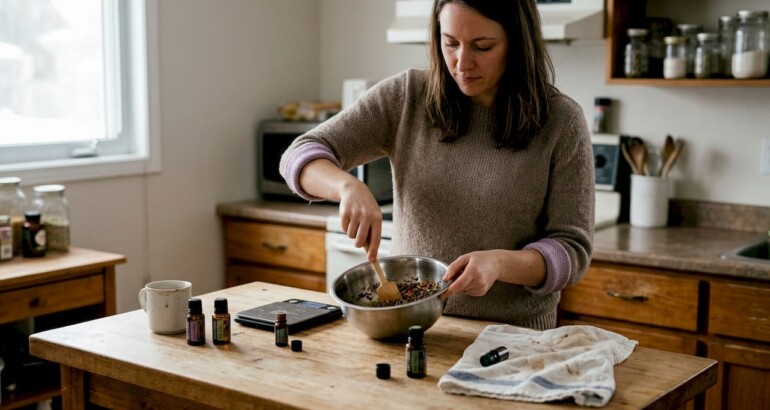
- Natural body care rituals: A weekly body scrub using ingredients like oat flour, coconut oil, or sea salt supports skin barrier function and doubles as a sensory self-care moment. You can explore body scrub routines at home for step-by-step guidance.
The lifestyle medicine model is important because it repositions these habits as complementary to medical care, not alternatives to it. You are not replacing your doctor. You are giving your body the daily conditions it needs to function well.
Pro Tip: Pair a five-minute outdoor movement break with three slow, deep breaths as you step outside. The combination of light movement and deliberate breathing accelerates the calming effect.
3. Social and relational practices that support natural wellness
Social self-care is one of the most underused categories in natural wellness techniques. The NIH wellness toolkit frames well-being across multiple domains including emotional, physical, social, and surroundings, confirming that social connection is a science-backed pillar, not a bonus.
Loneliness raises cortisol and inflammatory markers in the body. Regular, meaningful social contact reverses both. The good news is that social self-care does not require large gatherings or significant time commitments.
Accessible social self-care examples include:
- ✅ Scheduling a weekly phone call with a close friend or family member, with no agenda other than connection
- ✅ Joining a local book club, card game group, or community garden
- ✅ Volunteering for a cause you care about, which combines social contact with a sense of purpose
- ✅ Eating a meal with others rather than alone, even once a week
- ✅ Participating in an outdoor group activity such as a community walk or park yoga session
- ✅ Sending a handwritten note to someone you appreciate, which benefits both the sender and receiver
The principle behind all of these is intentional presence. You are choosing to invest attention in another person, and that investment returns to you as emotional resilience. Social self-care is not about quantity of contact. It is about quality and regularity.
4. How your surroundings shape your natural self-care routine
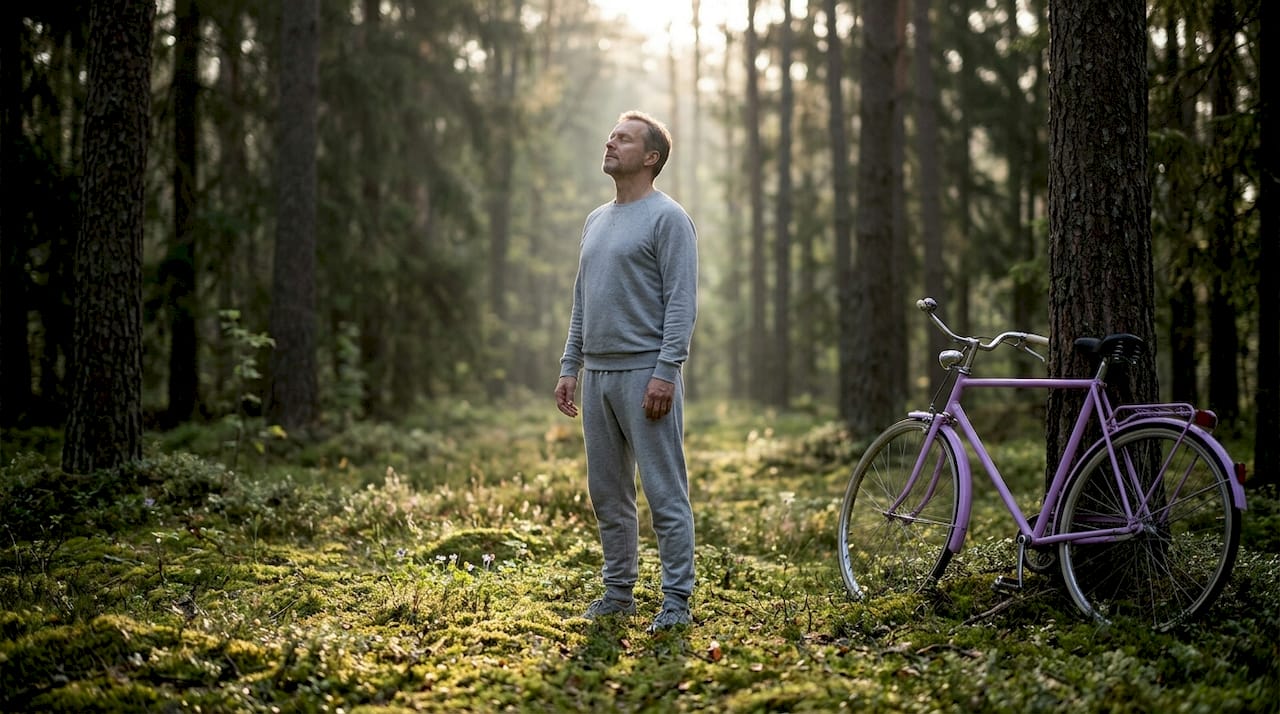
Your physical environment is a self-care tool most people ignore. The practice of grounding, also called earthing, involves direct physical contact with natural surfaces such as grass, soil, or sand. Cleveland Clinic and integrative medicine practitioners note that grounding reduces perceived stress and supports a calmer nervous system response, particularly when combined with slow, deliberate breathing.
You do not need to overhaul your home to benefit from environmental self-care. Small, specific changes produce measurable shifts in mood and focus.
| Environmental self-care practice | Primary benefit | Time required |
|---|---|---|
| Barefoot grounding on grass or soil | Stress reduction, nervous system calm | 5 to 10 minutes |
| Adding a houseplant to your workspace | Improved air quality, reduced mental fatigue | One-time setup |
| Opening windows for fresh air in the morning | Lowers indoor CO₂, improves alertness | 2 minutes |
| Eating a meal outdoors | Combines nature exposure with mindful eating | 15 to 20 minutes |
| Sitting near a window during work breaks | Natural light exposure supports circadian rhythm | 5 minutes |
| Reducing artificial lighting in the evening | Supports melatonin production and sleep onset | Ongoing habit |
The deeper principle is that your nervous system responds to sensory input from your environment constantly. Choosing natural light over fluorescent, fresh air over recycled, and green views over blank walls is not decoration. It is biology. Pairing these environmental shifts with a holistic skincare routine that uses botanical ingredients extends the same nature-first philosophy to your skin.
5. Matching natural self-care examples to your daily challenges
Personalised self-care strategies that address specific emotional or social needs are more effective than generic checklists. This is the most practical insight in modern self-care research. The question is not “what should I do for self-care?” It is “what do I need right now?”
Here is a situational guide to help you match practice to need:
| Current challenge | Recommended natural self-care practice | Why it works |
|---|---|---|
| Work stress or burnout | 5-minute outdoor walk, grounding, breathwork | Lowers cortisol, resets nervous system |
| Anxiety or racing thoughts | Expressive journaling, guided meditation | Externalises and organises mental content |
| Low energy or fatigue | Hydration, light movement, natural light exposure | Addresses physiological depletion directly |
| Loneliness or disconnection | Scheduled social call, volunteering, group activity | Restores relational nourishment |
| Poor sleep | Evening breathwork, reduced screens, consistent bedtime | Supports melatonin and parasympathetic tone |
| Skin dullness or tension | Natural body ritual, botanical skincare, body scrub | Combines sensory care with skin barrier support |
Anchoring new practices to existing daily moments and keeping initial sessions short (three to five minutes) dramatically improves adherence. Cleveland Clinic recommends linking natural self-care to habitual cues such as before breakfast or after closing your laptop for the day.
The NIH wellness toolkit model organises self-care across emotional, physical, social, and surroundings domains precisely because different life challenges call for different types of restoration. Categorising your needs before choosing your practice is the skill that separates sustainable routines from abandoned ones.
- ✅ Check in with yourself at least twice daily: morning and mid-afternoon
- ✅ Name the need before choosing the activity
- ✅ Start with the shortest version of any new practice
- ✅ Build complexity only after the habit is established
Pro Tip: Keep a small notebook or use your phone’s notes app to track which self-care practices actually shifted your mood. After two weeks, patterns emerge that tell you exactly what works for your body and mind.
Key takeaways
Natural self-care works best when you match the practice to a specific need, anchor it to an existing habit, and keep it short enough to repeat daily without friction.
| Point | Details |
|---|---|
| Match practice to need | Name your emotional or physical need before choosing a self-care activity for better results. |
| Brief nature contact works | Three to five minutes outdoors lowers cortisol and shifts the nervous system toward calm. |
| Social connection is self-care | Regular, quality social contact reduces loneliness and supports emotional resilience. |
| Environment shapes well-being | Natural light, fresh air, and grounding are low-effort practices with measurable mood benefits. |
| Consistency beats intensity | Short daily practices anchored to existing habits build more sustainable routines than occasional long sessions. |
What I have learned about natural self-care and lasting change
After spending years observing how people build and abandon wellness routines, the pattern is clear: the practices that stick are almost never the most elaborate ones. They are the ones that cost the least friction to start.
The biggest mistake I see is treating self-care as a reward for getting through a hard week. That framing makes it conditional, which means it disappears exactly when you need it most. The shift that changes everything is treating natural self-care as a daily operating condition, like eating or sleeping, not a treat.
What surprises most people is how physical the emotional benefits are. A five-minute barefoot walk on grass is not a metaphor for calm. It is a direct input to your nervous system. Gratitude journaling is not positive thinking. It is a cognitive retraining exercise that physically changes what your brain scans for in the environment. These are not soft ideas. They are grounded in how the body actually works.
Start with one practice from one domain. Make it so small it feels almost pointless. Do it for ten days. Then add one more. The compounding effect of small, consistent natural habits is genuinely underestimated, and it is the only approach I have seen produce lasting change in real people with real schedules.
— Alex
Bring natural self-care into your skin routine with Zenchemylab
Your skin is the largest organ in your body, and it responds to the same nature-first principles as the rest of your well-being. At Zenchemylab, every product is formulated from raw botanical ingredients, including plant-based oils, herbal extracts, and handcrafted soaps, to support your skin barrier while making your daily routine feel like a genuine act of care.

Whether you are building a morning ritual or looking to replace synthetic products with something purer, Zenchemylab’s natural skin care collection offers artisanal options made without compromise. For readers exploring a full transition, this guide on switching to organic skincare is a practical starting point. Your skin deserves the same intentional, natural care you are bringing to every other part of your well-being.
FAQ
What counts as a natural self-care example?
Natural self-care examples are everyday practices that use nature, movement, or mindful attention to support well-being, such as grounding, outdoor walks, gratitude journaling, and plant-based body rituals. They are accessible, low-cost, and adaptable to your schedule.
How long does natural self-care need to take to be effective?
Cleveland Clinic research confirms that three to five minutes of mindful outdoor time is enough to lower cortisol and shift the nervous system toward calm. Consistency matters far more than duration.
How do I know which natural self-care practice to choose?
NCOA recommends naming your specific need first, whether that is stress, loneliness, fatigue, or anxiety, and then selecting a practice that directly addresses it. Generic routines are less effective than personalised ones.
Is natural self-care a replacement for medical treatment?
No. Harvard Health positions self-care within the lifestyle medicine framework as a complement to medical care, not a substitute. Healthy daily habits support treatment outcomes but do not replace professional medical advice.
Can natural skincare products be part of a self-care routine?
Yes. Botanical and plant-based skincare products, particularly those using natural oils, herbal extracts, and handmade formulations, support skin barrier health and add a sensory, restorative dimension to daily self-care routines.

1 Comments