

TL;DR:
- Natural beauty in 2026 emphasizes plant-based ingredients, science-backed formulations, and eco-conscious habits that support skin health. The FDA approved bemotrizinol, the first new sunscreen ingredient in over 20 years, improving daily sun protection and formula comfort. Simplifying routines and making practical, eco-friendly swaps enhance skin results while reducing waste and environmental impact.
Natural beauty in 2026 is defined by the fusion of plant-based ingredients, evidence-backed formulations, and eco-conscious habits that genuinely improve skin health. The FDA’s approval of bemotrizinol, the first new sunscreen ingredient in over 20 years, marks a turning point for clean beauty practices. The American Academy of Dermatology continues to reinforce daily SPF use as non-negotiable. These natural beauty tips 2026 go beyond surface-level advice. They give you a grounded, science-informed approach to organic skincare routines that protect your skin and the planet at the same time.
1. embrace bemotrizinol: the 2026 sunscreen breakthrough
The single most impactful natural beauty tip for 2026 is upgrading your sun protection. The FDA approved bemotrizinol as the first new sunscreen ingredient in more than 20 years in june 2026. This matters because bemotrizinol offers broader UV spectrum coverage, lasts longer on skin, causes less irritation, and has a noticeably lighter sensory feel than older chemical filters.
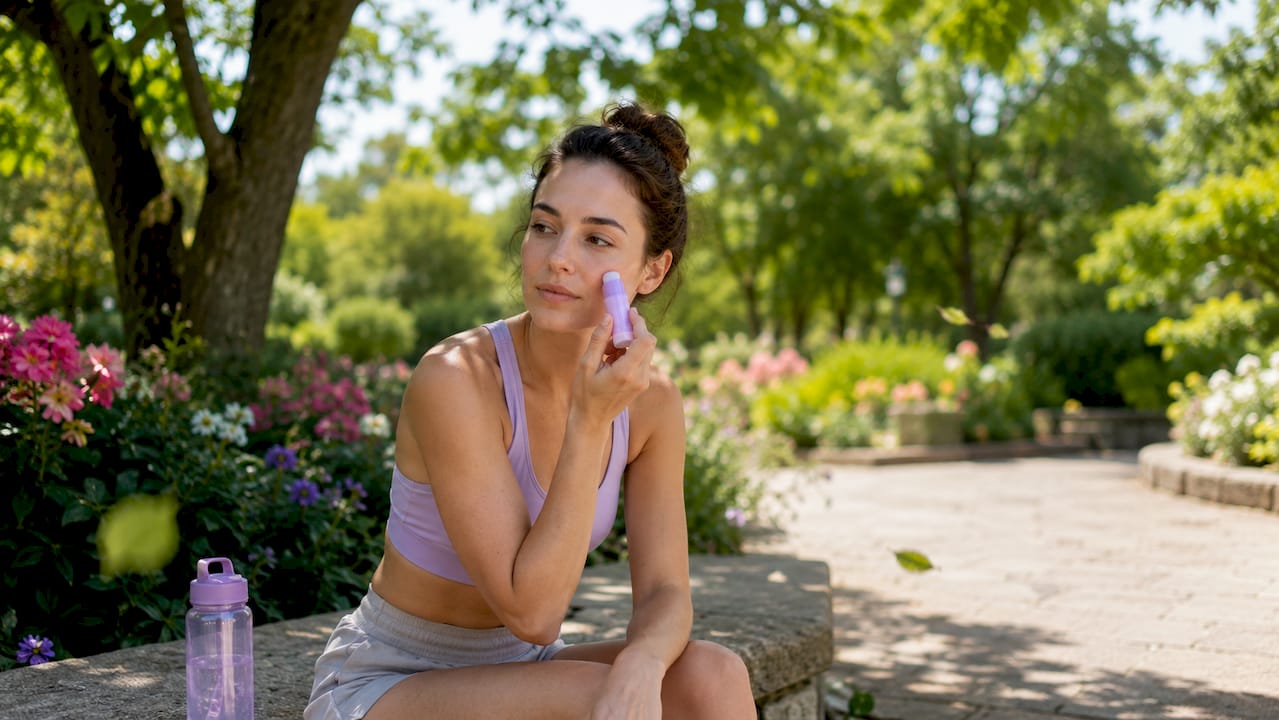
For your daily routine, the American Academy of Dermatology recommends broad-spectrum SPF 30+ on all exposed skin, every single day, including cloudy days and time spent indoors near windows. Apply a shot-glass amount to your face, ears, and neck, and reapply every two hours when outdoors.
The compliance factor is real. Sunscreen texture drives consistent use, which means the best sunscreen is the one you will actually wear. Bemotrizinol-based formulas are designed to feel lighter and more pleasant, removing the biggest barrier to daily use.
- ✅ Choose a broad-spectrum formula with SPF 30 or higher
- ✅ Apply generously before leaving home, even on overcast days
- ✅ Keep a travel-size sunscreen in your bag for midday reapplication
- ✅ Look for bemotrizinol on ingredient labels for next-generation protection
Pro Tip: Keep a small SPF stick in your bag or desk drawer. Reapplying over makeup is easy with a stick or powder SPF, so there is no excuse to skip the midday top-up.
2. sunscreen is skin longevity, not just sun safety
Sun protection is a long-term skin health investment, not just a beach-day habit. Consistent sunscreen use reduces melanoma risk by half and lowers squamous cell carcinoma risk by 40%, based on a decade-long study following 1,600 people. Those numbers represent real, measurable protection that no serum or botanical extract can replicate.
Framing sunscreen as part of your holistic beauty practice shifts how you think about it. It is not a cosmetic step. It is the single most evidence-backed anti-ageing and skin-preservation tool available. Pair it with your natural skincare routine for compounding results.
3. treat essential oils as bioactive ingredients, not just fragrance
Essential oils are bioactive chemicals, not passive scent additives. A 2026 Phase I randomized controlled trial confirmed that essential oil herbal ointments at 2% and 5% concentrations showed favourable short-term safety on human skin across 30 volunteers over 14 days. That is promising, but it also underscores that concentration and testing protocol matter enormously.
Before adding any new essential oil to your routine, follow a structured testing approach:
- Patch test: Apply a diluted amount to your inner forearm. Wait 24–48 hours for any redness, itching, or swelling.
- Photo-patch test: After the initial patch test, expose the area to indirect sunlight for 15 minutes. Some oils are photosensitising.
- ROAT (Repeated Open Application Test): Apply the diluted oil to the same spot twice daily for 7–14 days. This detects delayed sensitisation that a single patch test misses.
Botanical ingredients can cause irritation when misused, even when they are entirely natural. Dose, concentration, and application method determine whether a plant extract nourishes or inflames your skin. Learn more about safe essential oil use before committing to a new ingredient.
Pro Tip: Always dilute essential oils in a carrier oil such as jojoba, rosehip, or sweet almond before applying to skin. A 1%–2% dilution (roughly 6–12 drops per 30 ml of carrier) is the standard safe starting point for most skin types.
4. simplify your routine for better skin and less waste
A shorter routine is not a compromise. Routine simplification reduces product waste, prevents expired product use, and improves skin consistency by reducing the risk of ingredient conflicts. Fewer products also mean a smaller environmental footprint, which aligns directly with World Environment Day 2026 beauty guidance.
The practical shift is straightforward. Swap five single-use products for two or three multi-taskers. A tinted SPF moisturiser, a botanical serum, and a nourishing balm can cover most daily skin needs. This approach also makes it easier to identify which ingredient is causing a reaction, since you are not layering ten different formulas at once.
For a full breakdown of eco-friendly beauty swaps that reduce waste without sacrificing results, the Zenchemylab guide covers the practical steps in detail.
5. make eco-friendly beauty swaps that actually stick
World Environment Day 2026 promotes eco-friendly beauty habits including minimal packaging, refill options, reusable alternatives, and mindful purchasing. These are not abstract ideals. They are practical daily decisions that add up quickly.
Here are the swaps worth making right now:
- Switch to refillable containers for moisturisers, serums, and cleansers
- Choose concentrated formulas that require less packaging per use
- Replace disposable cotton rounds with washable, reusable fabric pads
- ♻️ Use up what you have before buying new products to avoid waste
- ️ Buy from brands with verified sustainability commitments and minimal outer packaging
- Choose multi-use products that serve as both skincare and light coverage
Using multi-use products and reducing your SKU count also keeps products within their usable window, so you get full efficacy from every purchase. Explore Zenchemylab’s sustainable skincare guide for a deeper look at building a low-waste routine.
6. natural makeup tips for an authentic glow in 2026
Natural makeup in 2026 is about enhancing what you already have, not covering it up. Skincare-infused makeup products that combine hydration with light coverage are trending because they support skin health while simplifying your morning routine. Think tinted balms, sheer foundations with botanical extracts, and lip colours in nude and berry shades that complement your natural tone.
The technique matters as much as the product. Separating lashes with a defining mascara rather than piling on volumising coats keeps the look fresh and avoids the heaviness that ages a face. A single swipe of a tinted lip balm with SPF does double duty as colour and protection.
- Tinted SPF moisturiser as a foundation replacement for light coverage days
- ️ Defining mascara instead of heavy volume formulas for a cleaner look
- Sheer lip balm or tinted gloss in nude or berry shades for effortless colour
- ✨ Cream blush or bronzer applied with fingers for a natural, skin-like finish
- Botanical-infused primers that prep skin while delivering active ingredients
Pro Tip: Apply cream products with clean fingertips rather than brushes. Body heat warms the formula and blends it into skin more naturally, giving a finish that looks like your skin rather than makeup on your skin.
7. oil cleansing: a traditional practice with modern validation
Oil cleansing is one of the oldest natural skincare methods, and it holds up under scientific scrutiny. Organic oils dissolve dirt and grime through the “like dissolves like” principle of chemistry, breaking down sebum and makeup without stripping the skin barrier. This makes it particularly well-suited to dry, sensitive, or combination skin types that react poorly to foaming cleansers.
The key is choosing the right oil for your skin type. Jojoba closely mimics the skin’s natural sebum and suits most types. Rosehip is rich in linoleic acid and works well for acne-prone skin. Marula is lightweight and absorbs quickly, making it a strong choice for oily skin that still needs gentle cleansing. Massage the oil into dry skin for 60 seconds, then remove with a warm, damp cloth.
8. tradition meets innovation: comparing natural and modern ingredients
The most effective organic skincare routines in 2026 do not choose between tradition and science. They use both. Here is how the two approaches compare:
| Approach | Benefits | Considerations | Common Formats |
|---|---|---|---|
| Traditional natural ingredients (botanical oils, herbal extracts, balms) | Gentle, biodegradable, skin-compatible lipids; long history of use | Require safety testing; potency varies by source and concentration | Facial oils, balms, herbal serums, oil cleansers |
| Modern scientific ingredients (bemotrizinol, encapsulated actives, stabilised vitamin C) | Clinically validated efficacy; standardised concentration; longer shelf stability | May require patch testing; some are synthetic or semi-synthetic | SPF formulas, targeted serums, treatment creams |
| Skincare-makeup fusion products | Simplifies routine; delivers actives with coverage | Fewer options in fully natural formulations | Tinted SPF, BB creams, botanical-infused primers |
The synergy between these approaches is where results happen. A botanical serum rich in plant-derived antioxidants pairs well with a bemotrizinol sunscreen to address both oxidative stress and UV damage simultaneously. You do not have to pick a side. You just have to pick wisely.
Key takeaways
The most effective natural beauty routine in 2026 combines daily SPF protection using new-generation filters, safety-tested plant-based ingredients, and a simplified eco-conscious approach to reduce waste and improve skin consistency.
| Point | Details |
|---|---|
| Bemotrizinol changes sun protection | The FDA’s 2026 approval brings broader, gentler, longer-lasting UV coverage to natural beauty routines. |
| Essential oils require structured testing | Use patch, photo-patch, and ROAT protocols before adding any new botanical to your routine. |
| Simplify to improve results | Fewer products reduce waste, prevent ingredient conflicts, and make routines easier to maintain consistently. |
| Eco-friendly swaps are practical | Refillable containers, reusable pads, and multi-use formulas cut waste without sacrificing skin results. |
| Tradition and science work together | Pairing botanical ingredients with clinically validated actives like SPF filters delivers the strongest outcomes. |
What i’ve learned after years of working with natural skincare
The conversation around natural beauty has matured significantly, and I think that is worth acknowledging directly. When I started working with botanical formulations, the dominant message was simple: natural equals safe. That framing did a lot of damage. It led people to apply undiluted essential oils, skip sunscreen in favour of coconut oil, and dismiss clinical research as irrelevant to “clean” beauty.
What I have come to understand is that the most trustworthy natural beauty practice is one that respects both the plant and the science. Lavender essential oil is genuinely soothing at the right concentration. At the wrong concentration, it is a sensitiser. Rosehip oil is a remarkable source of linoleic acid and vitamin A precursors. But it also oxidises quickly if stored improperly, and rancid oil does not nourish skin. These details matter.
The bemotrizinol approval is a good example of science serving natural beauty goals rather than opposing them. A sunscreen that feels lighter, irritates less, and protects more broadly makes it easier for people to actually wear SPF every day. That is a win for skin health, full stop. I have seen too many people skip sunscreen because the texture bothered them, and then wonder why their skin was ageing faster than expected.
My honest advice is this: treat your skincare routine like a small, careful experiment. Introduce one new ingredient at a time. Test it properly. Give it four to six weeks before judging results. And do not let marketing language, whether it says “natural,” “organic,” or “clinically proven,” replace your own observation of how your skin responds. Your skin is the most reliable data point you have.
— Alex
Build your 2026 natural beauty routine with Zenchemylab
Zenchemylab transforms raw, natural ingredients into artisanal soaps, botanical cosmetics, and body care products designed for people who take their skin seriously. Every formulation prioritises purity, safety, and the kind of luxurious self-care experience that makes a routine feel worth keeping.

Whether you are looking for natural skin products that align with your clean beauty values, or you want to explore formulas designed to support a glowing skin routine, Zenchemylab’s curated collections are a strong starting point. Each product is crafted with the same respect for botanical integrity and evidence-backed formulation that this article champions. Browse the full range and find the pieces that fit your 2026 routine.
FAQ
What is bemotrizinol and why does it matter for natural beauty?
Bemotrizinol is the first new sunscreen ingredient approved by the FDA in over 20 years, offering broader UV protection, longer wear, and less irritation than older filters. It makes daily SPF use more accessible for people who previously found sunscreen uncomfortable to wear.
How do i safely add essential oils to my skincare routine?
Follow a three-step protocol: a standard patch test, a photo-patch test for photosensitising oils, and a repeated open application test (ROAT) over 7–14 days. Always dilute essential oils in a carrier oil at a 1%–2% concentration before applying to skin.
What are the best eco-friendly beauty swaps for 2026?
World Environment Day 2026 highlights refillable containers, reusable cotton pads, concentrated formulas, and multi-use products as the most impactful swaps. Simplifying your routine to fewer products also reduces packaging waste and prevents expired product use.
Can natural makeup support skin health, not just appearance?
Yes. Skincare-infused makeup products that combine botanical extracts with light coverage deliver active ingredients while you wear them. Tinted SPF moisturisers, botanical primers, and cream blushes are the clearest examples of this approach in 2026.
Is “natural” always safe for skin?
No. Natural ingredients are bioactive chemicals that require proper testing and dosing. Botanical extracts can cause irritation or sensitisation at the wrong concentration, and misinterpreting “natural” as automatically safe is one of the most common mistakes in clean beauty practice.
14 Comments